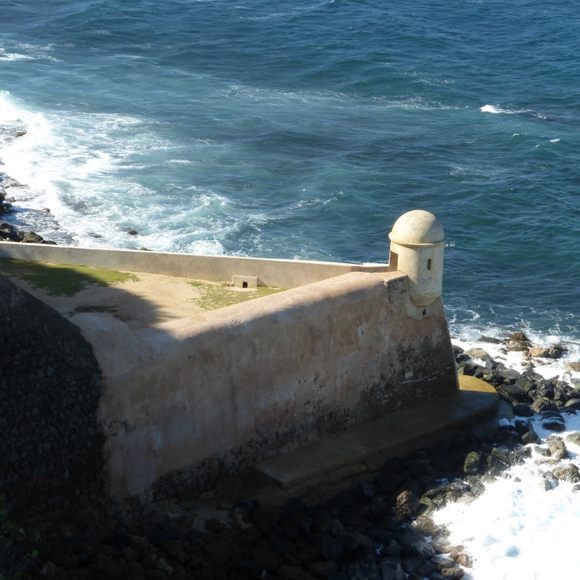
I’ve stood staring out into the Atlantic from the Sentry post named “Garita del Diablo” or the Devil’s Sentry Box, located below the imposing “San Cristobal” fortress, east of the mouth of San Juan Harbor. A lonely but important post, this box was built to give forewarning of shipborne assaults or landings to the east of the city. In 1598 and 1625, foreign attacks would repeatedly devastate the city by enemy landings coming from that direction. The capital of the Island of Puerto Rico was a repeated target of foreign invasion due to the Eighty Years War between the Dutch and Spanish. This large religious conflict also drew in the English, who targeted Spanish possession in the Caribbean at the end of the 16th century.

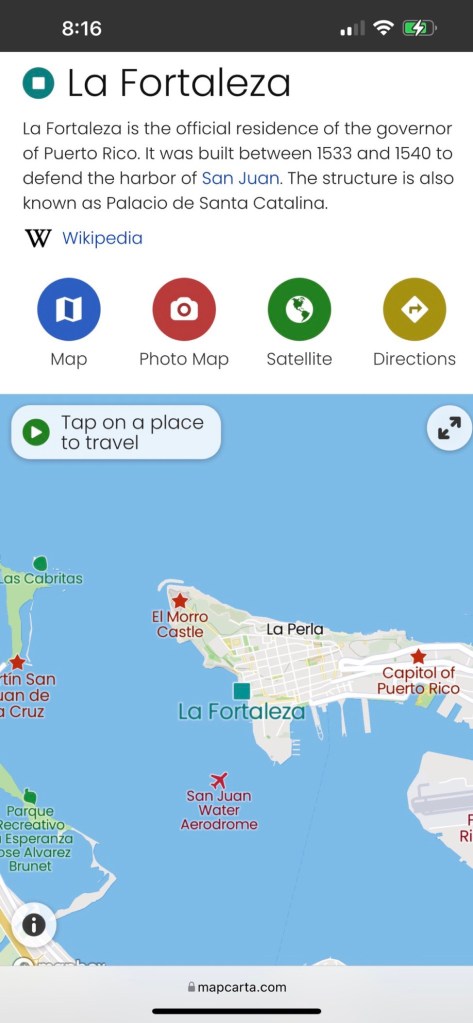
San Juan is situated on a neck of land, separated from the island by the Bayamon River and across an inlet via the San Antonio Bridge. La Fortaleza was constructed in 1540, as the first bastion to the protect the harbor, but was poorly situated being located inside the mouth of the harbor.
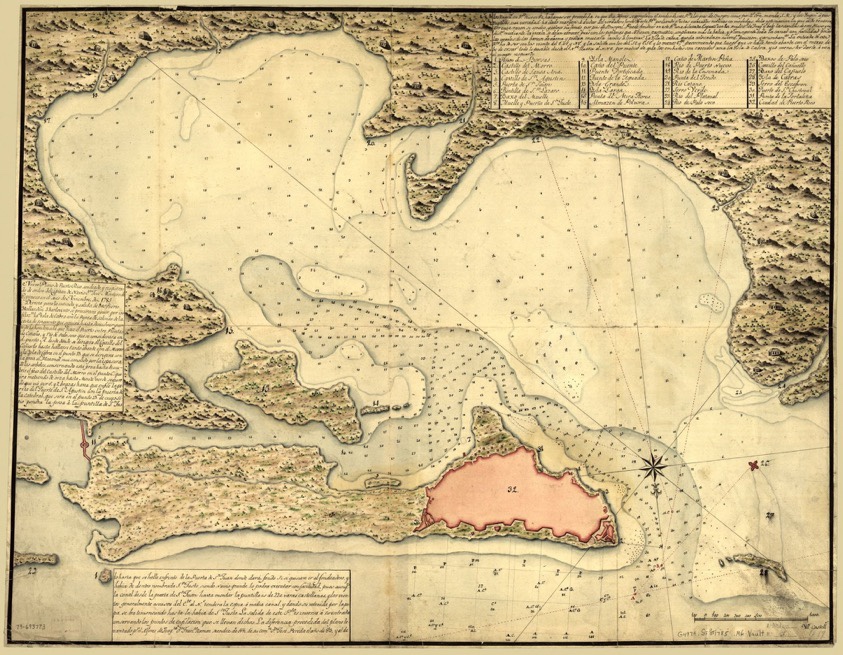
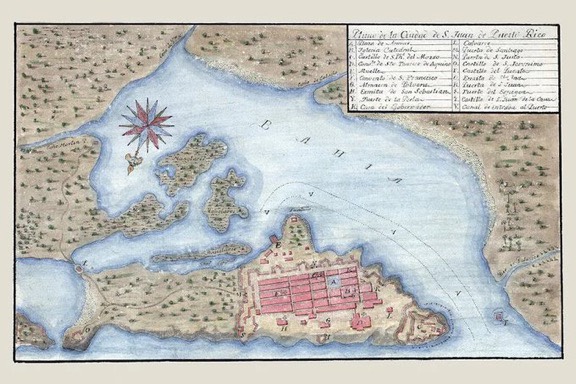


Starting construction in 1589, the Spanish redeveloped the promontory jutting out in the harbor mouth into The Castillo San Felipe del Morro. The fortifications were shown to be vulnerable in 1598, when an attack from the land-ward side easily conquered the Fortaleza, as English forces were able to seize control of the bridge and target San Juan’s weaker landward side defenses. With Fortaleza seized, El Morro’s weaker initial design caused it to fall as well. Isolated bastions like these were cutoff and seized, opening the Fortress to assault or siege. English forces were decimated by disease and could not maintain a long occupation, the Spanish could wait them out inland. El Morro was redesigned to bring the bastions guarding the landward side into the Fortress proper.
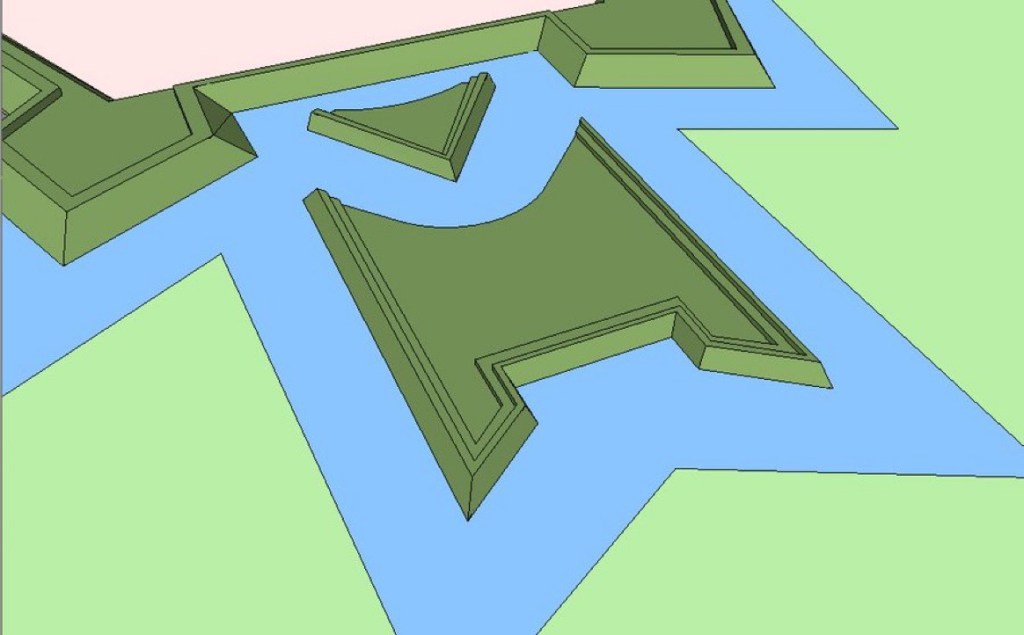
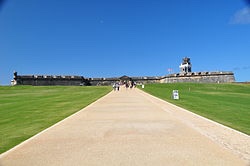
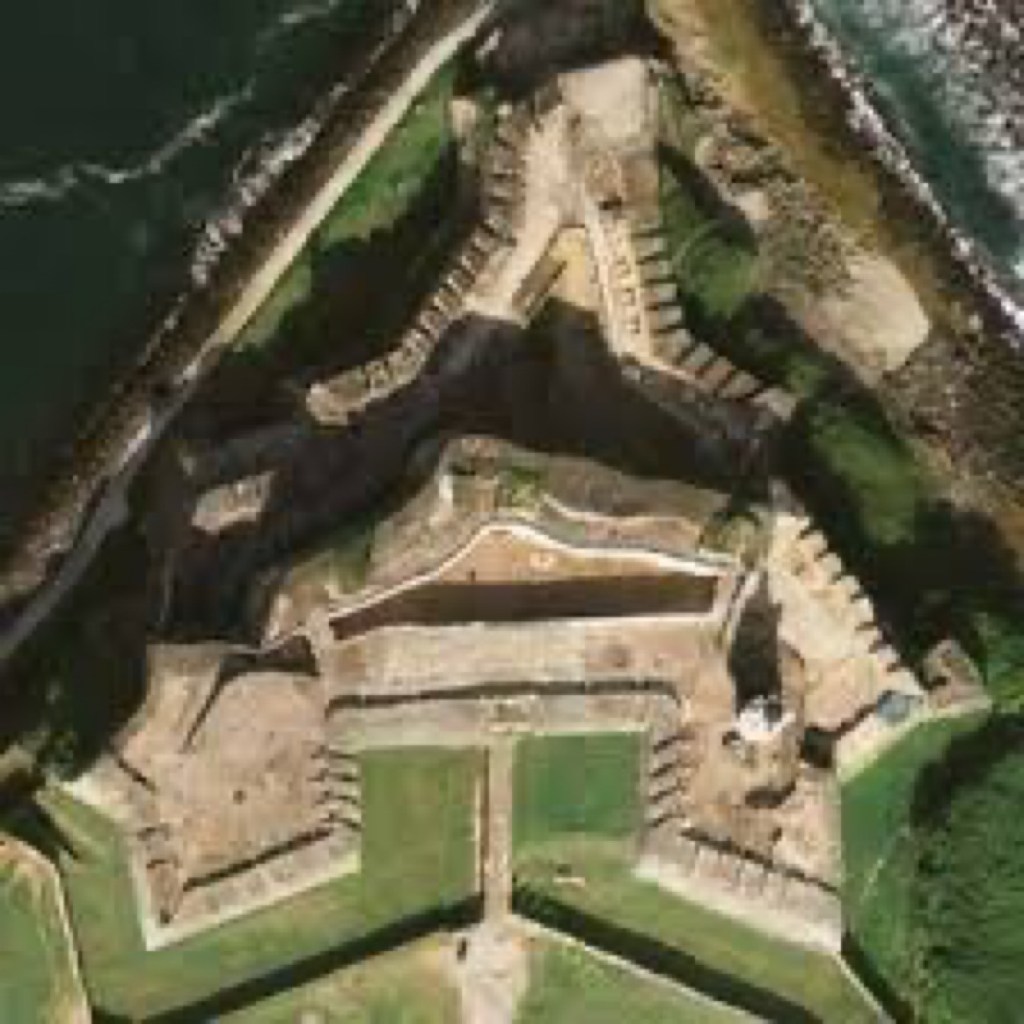
This would serve them well when the Dutch arrived in 1625. Fought as part of the Dutch Wars of Independence from Spain, the Dutch sought to wrest the Caribbean littoral from their former masters. Boudewijn Hendricksz led seventeen Dutch ships and eight hundred soldiers against the undermanned Spanish fortifications and against whom could be mustered little more than 300 defenders. The Dutch opted for a fast sail straight under the fortifications of El Morro and were able to safely reach the inner harbor with little losses. Capturing El Canuelo on Goat Island in the Harbor, across the mouth from El Morro and seizing the San Antonio Bridge, the Dutch cut-off the 330 Spanish defenders. Giving up La Fortaleza, the Spanish retreated to El Morro to await a siege.

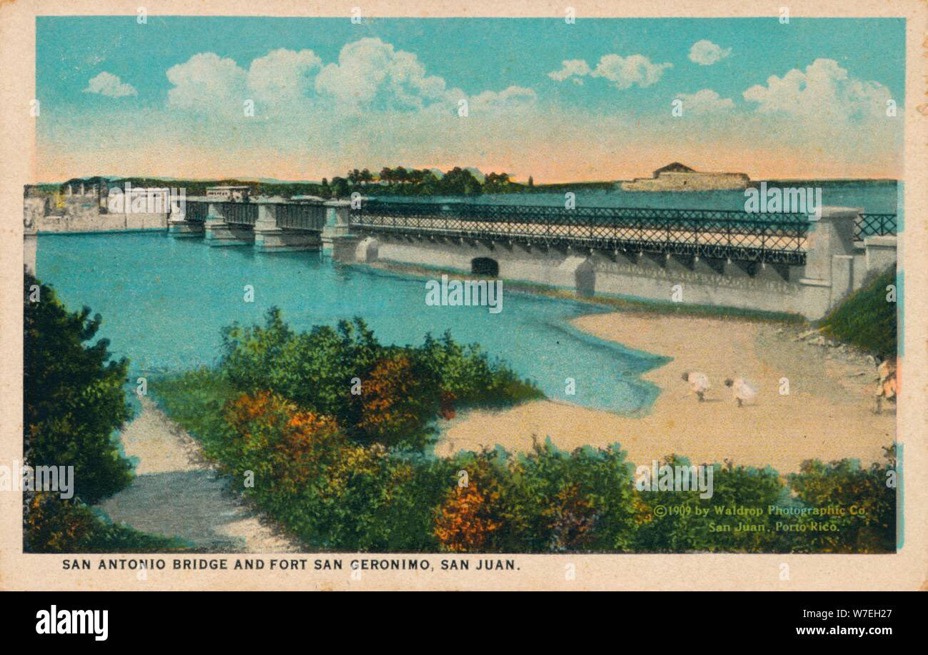
Starting on September 26th, the Dutch bombarded the fort for twenty-one days, as they dug siege trenches right up to the walls of El Morro. Spanish forces used local militia collected from inland, to seize control of the Bayamon River and Fort Canuelo. This development allowed them to resupply El Morro and bought time for further reinforcements to seize the San Antonio Bridge. The Dutch were being pinched from both sides of San Juan as they could neither break through to El Morro nor secure the San Antonio Bridge forever against assault. On October 22, the expected enveloping assault occurred as the Spanish Militia charged over San Antonio Bridge and Royal forces sortied from El Morro. The Dutch burned over 100 buildings in the city and disembarked on their ships. Landward defenses in the shape of Fortín de San Gerónimo de Boquerón and Castillo de San Cristobal would be constructed a century later. The first fortifying the San Antonio Bridge and the second creating a massive fort to anchor San Juan which was now walled to protect attack from the land-ward side.

 Historical Caribbean Voyages