“Highlanders, Revolution, and Vichy Gold: The fabled story of Martinique’s Morne Garnier, from 1762-1943.”
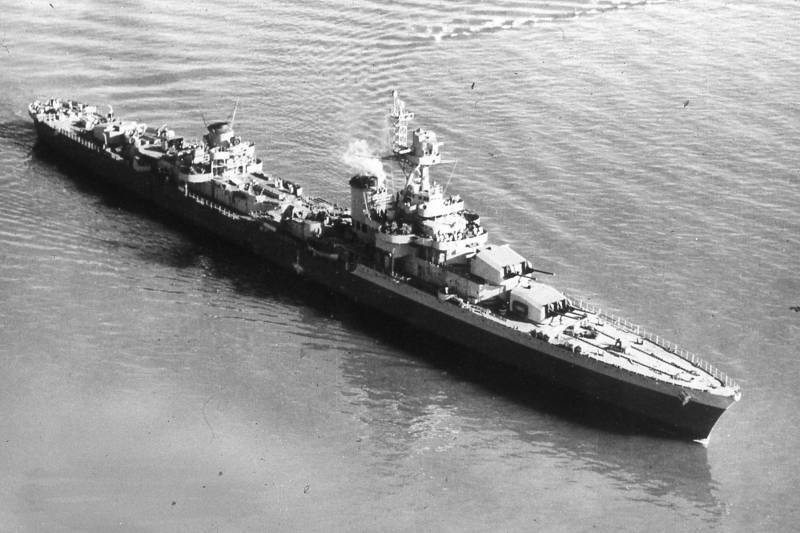
The Emile Bertin was the pride of the French Navy and this light cruiser was built for speed. During May of 1940, the cruiser was tasked with whisking more than 384 million dollars in French gold from Canada. Upon hearing of the surrender of French forces, the captain of the Emile Bertin made a beeline for the French controlled island of Martinique. Here gathered the remnant’s of French Republic’s fleet caught abroad as the Nazi armies overran France.
Placed under control of the Nazi allied Vichy regime, the Gold was stored in a Vauban style Fort Desaix. This strong position was located on Morne Garnier, a volcanic mount guarding the western approaches to Fort de France. The gold and naval assets eventually fell under Free French control. British and American naval forces enforced a blockade of sorts and sought the decommissioning of military assets. “Les dissidents” as the resistance on the island was known, fled across the channel to Dominica and Saint Lucia to organize against Vichy rule. In late June of 1943, the French garrison on the island rebelled against the collaborator government and were joined by local citizens. The Vichy representative was driven from the island and Martinique fell under the auspices of De Gaulle.
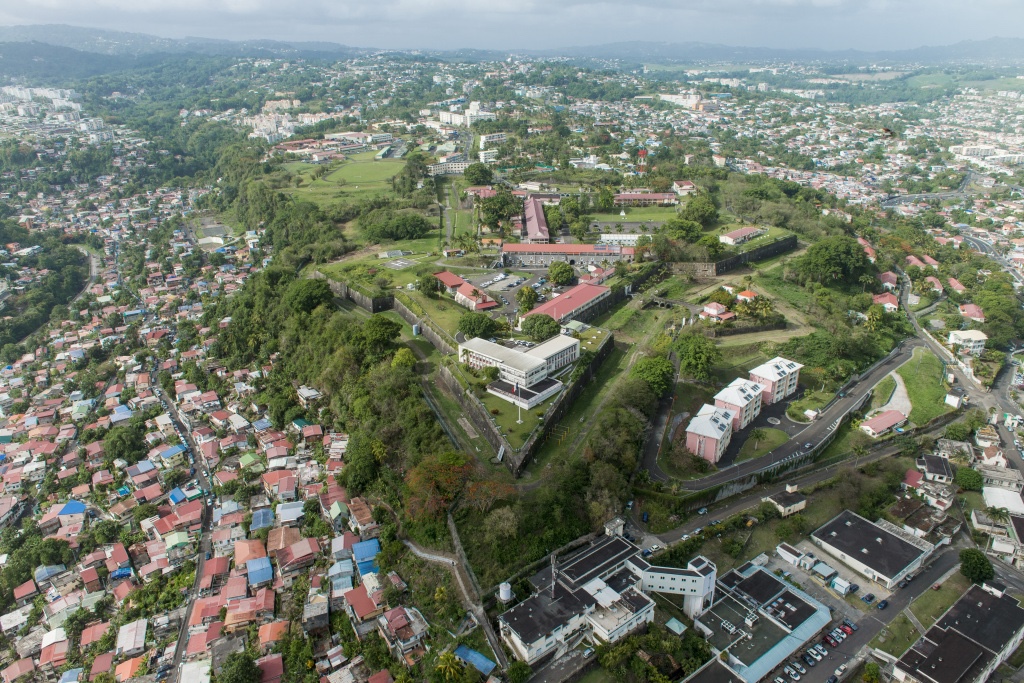
Originally called Fort Bourbon, this site has played a major role in the history of British and French relations, long before World War II ever intruded upon the Caribbean. The original geographic position was called Morne Garnier and it provided a stronghold against any military advance against Fort de France. In 1762, thirteen thousand veteran British troops landed to seize the island. Included amongst these were two battalions of 42nd Royal Highland Regiment, better known as the “Black Watch.” Seasoned campaigners, they helped launch a counterattack against against this formidable strongpoint. French defenders had foolishly attempted a sortie and were hotly pursued through their own fortifications. Morne Garnier was the key to the French base at Fort-de-France. Their efforts were for naught, as Martinique was retained by the French at war’s end.
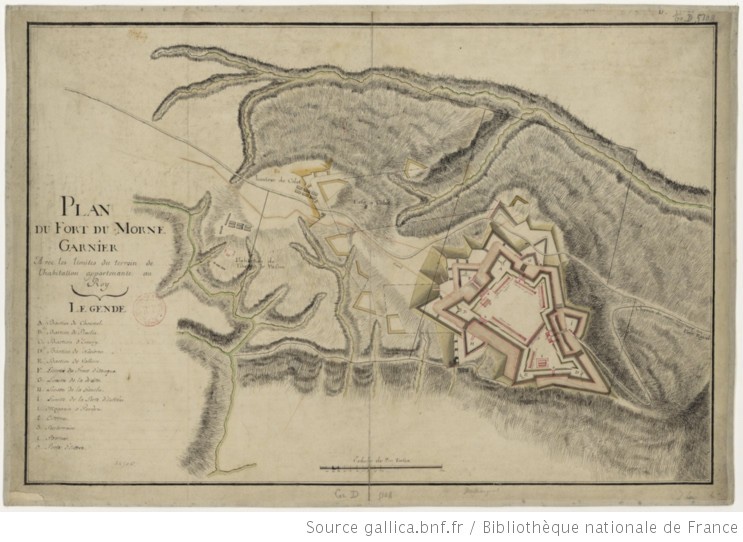
By 1794, The French Revolution was raging and the British were determined to once again strangle the overseas possessions of the French Republic. After making a deal with counter-revolutionary French planters, British forces invaded Martinique. The Fort held out for several weeks against intense British bombardment until surrendering. The British retained control of Martinique until 1802, when it was return to Napoleon under the Peace of Amiens.
After changing the name to Fort Desaix in honor of Revolutionary hero Louis Desaix, the works were improved against further British attack. Mounted with over one hundred cannon, the Fort posed an exceptional obstacle to any advances from the west. More than ten thousand British forces descended up the island in 1809 and quickly set up siege of Fort Desaix, after pushing back the militia. Under heavy bombardment from both landward siege guns and the Royal Navy in the bay, the Fort surrendered after four days. Several hundred French causalities had convinced the commander that resistance was futile. The seizure of the Island eliminated French power in the Antilles and wasn’t returned to France until 1814.

 Historical Caribbean Voyages