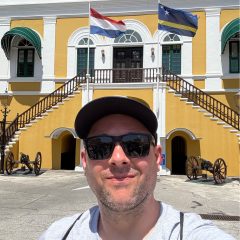
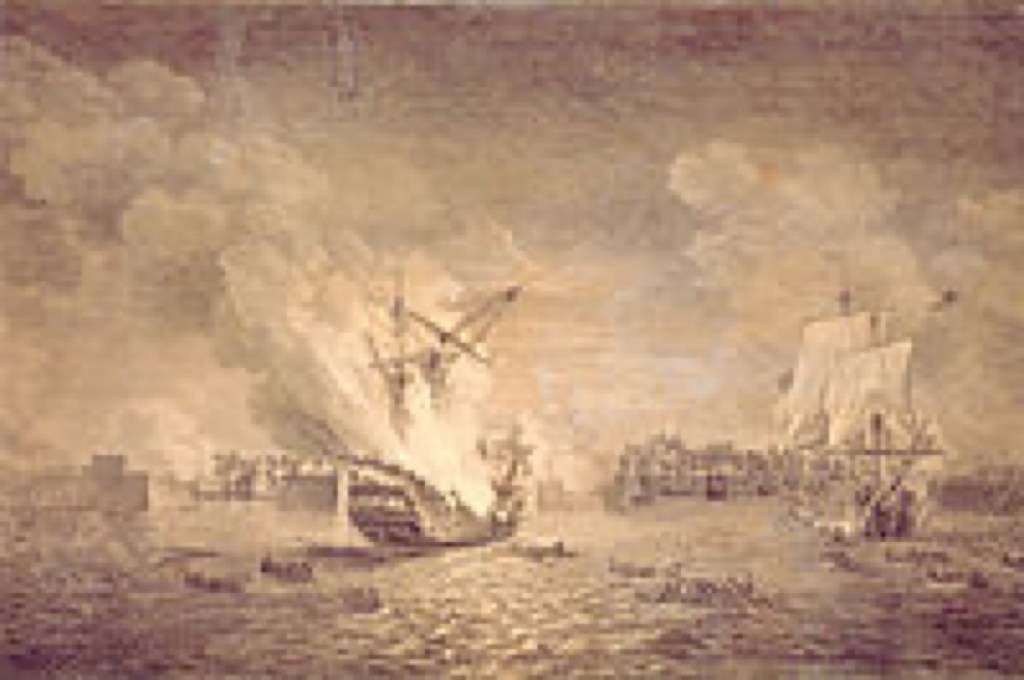
While the Dutch were expelled from the Eastern seaboard after the English seizure of New Netherlands in 1664, they returned briefly in force in 1673. The Third Anglo-Dutch War provided the opening Dutch needed to reestablish their North American Empire. After seizing New York back in 1673, the Dutch ceded the city back to the English a year later for peace in 1674. Before word of peace reached the Dutch Antilles, a Frigate was dispatched from Curacao.
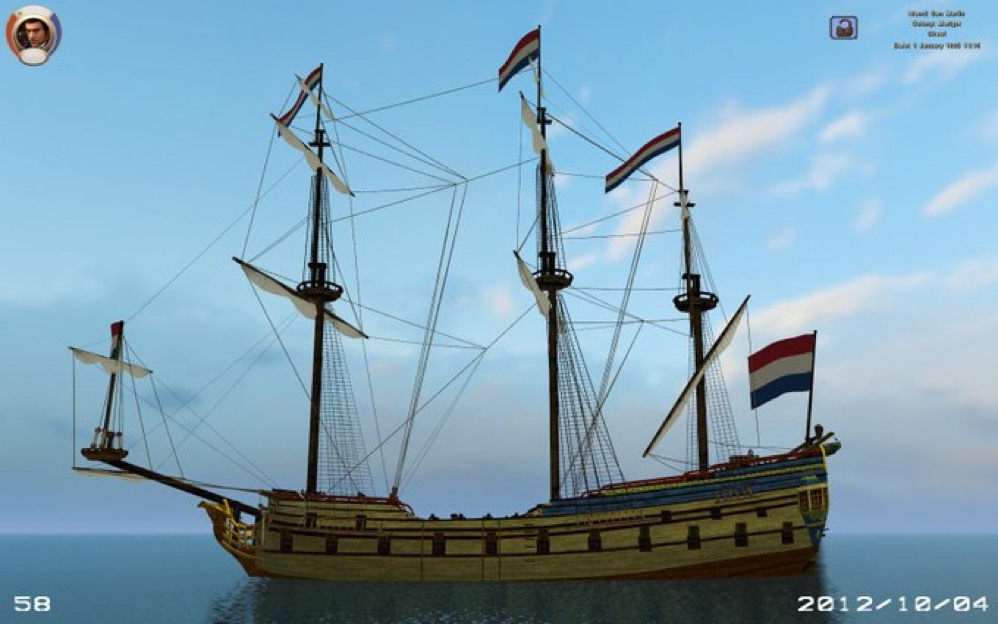
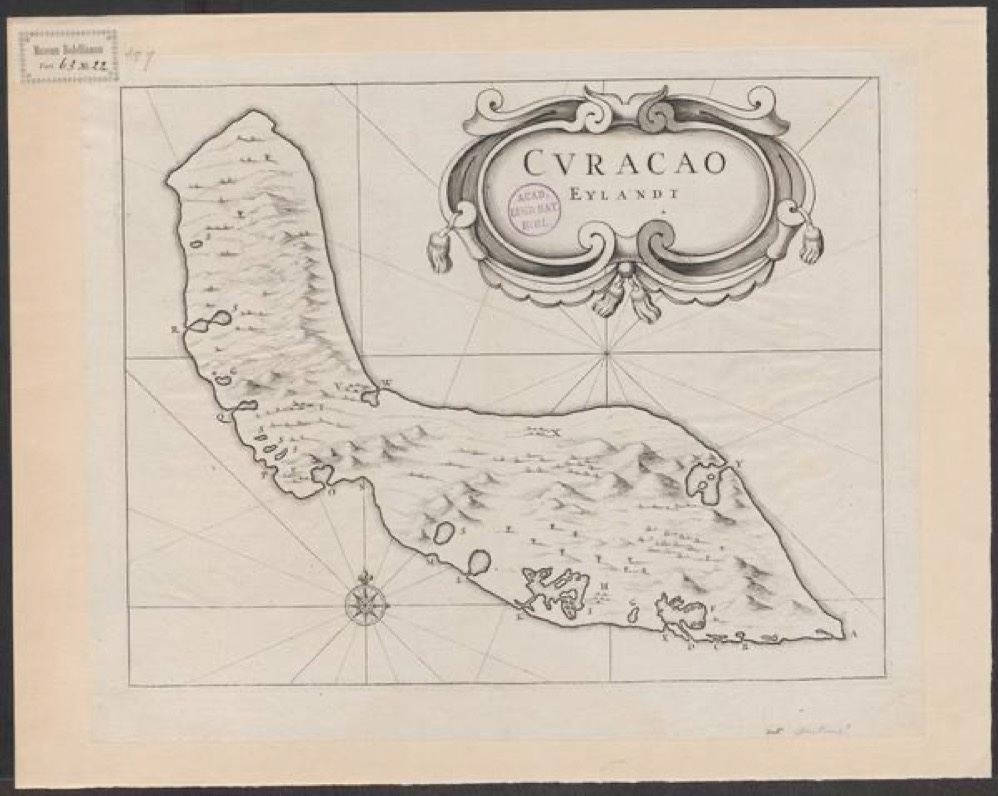
This small Carribean island was the WIC’s center for it’s North American holdings and a major slave entrepot. The Dutch Frigate “The Flying Horse” under the command of Captain Jurriaen Aernoutsz, arrived in New York Harbor in July and were informed of the diplomatic developments.
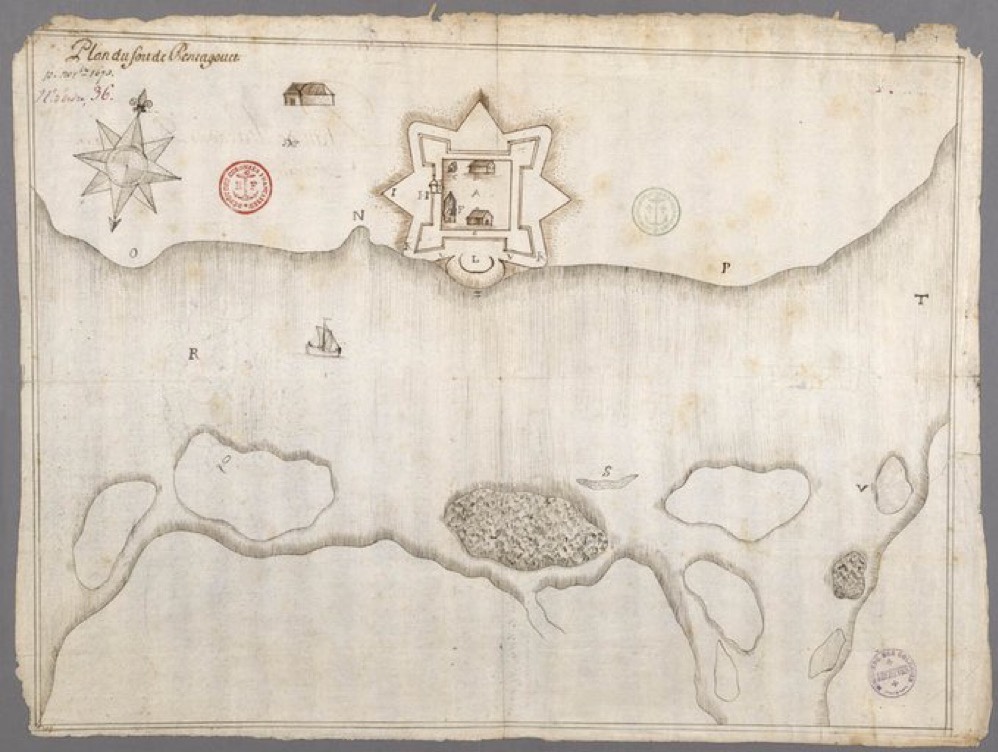
While England and the Netherlands were at peace, The French were still considered a hostile party as they were not involved in the seperate peace signed the year before. While at anchor in New York Harbor, the Captain of the Dutch Frigate received news that the French Colony of Acadia was lightly defended. The boundary of the French claims ended at the Kennebec River and located within the modern US state of Maine. The river empties into Penobscot Bay and the French had established a regional capital called Fort Pentagouet there.
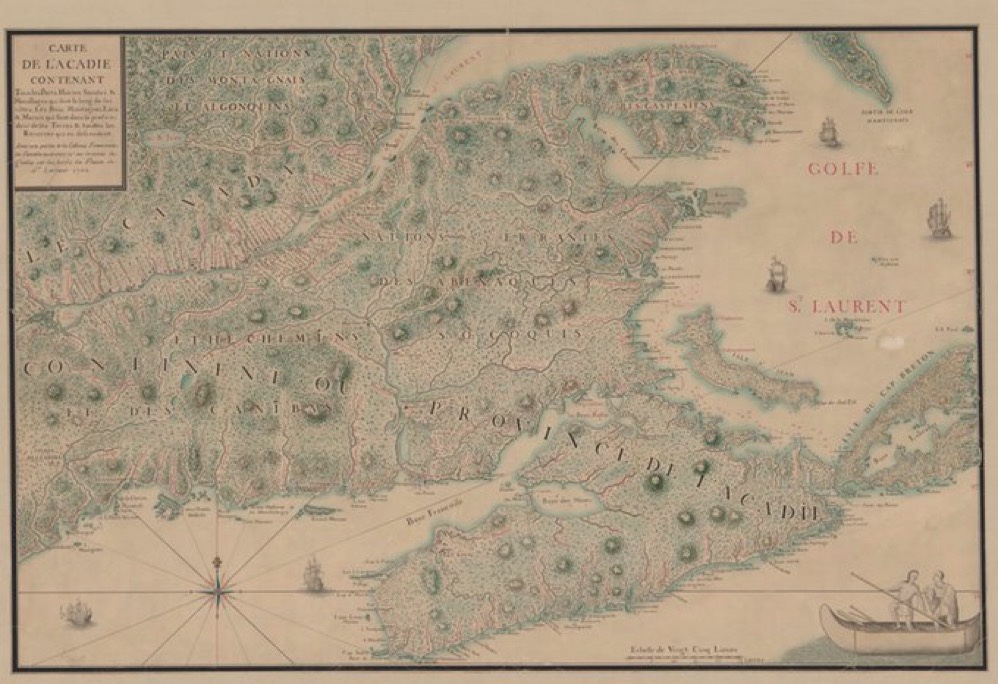
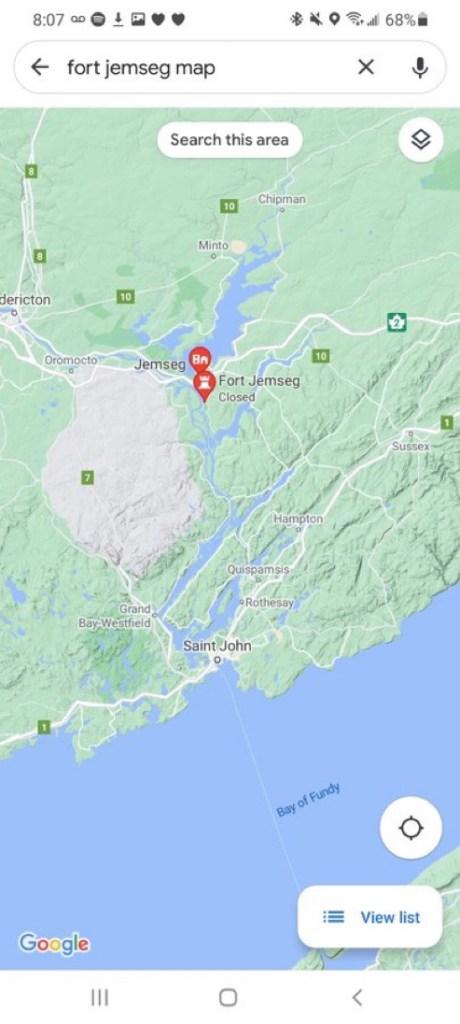
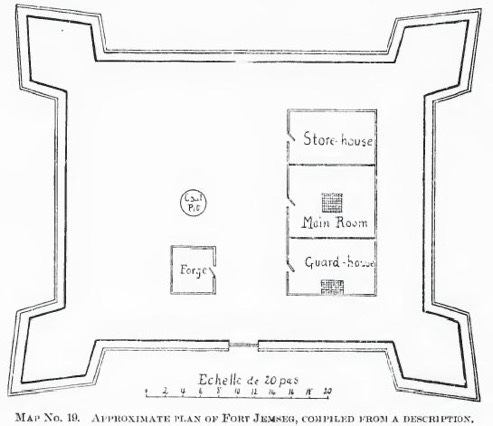
On August 10, 1674, Captain Aernoutsz reached the French fort. He had 110 men under his command and outnumbered the 30 poorly equipped French defenders. After a two hour bombardment, the fort surrendered to the Dutch. For the next month, Captain Aernoutsz sailed north laying claim to Acadian land along the Bay of Fundy. Dutch forces even sailed up the Saint John’s river in New Brunswick and sacked Fort Jemseg. Before sailing for Curacao in October.

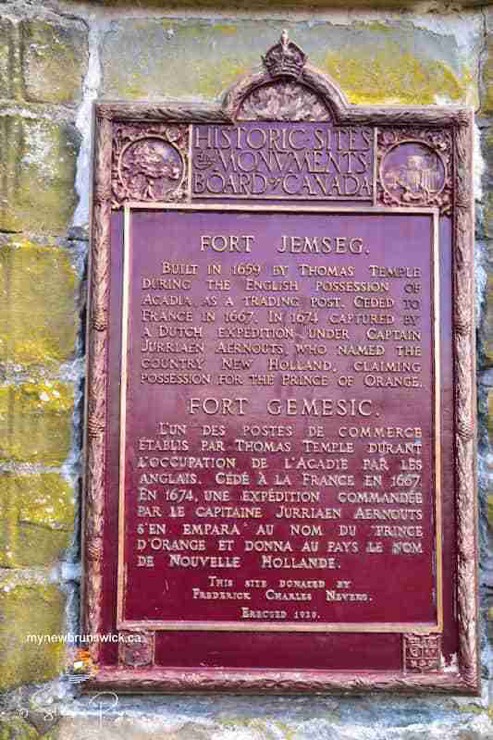
The Dutch stopped in Boston to refit and sell their plunder from Acadia. The English even bought the cannon taken from French forts and allowed a small retinue of Dutch sailors to stay on in the region. This small cadre of Dutch sailors soon resorted to piracy and were banished from the English Colony. The French would retake their forts in 1676 and the Dutch simply had no forces presence in Acadia to press their claims. In The Treaty of Nijmegen signed in 1678, The Dutch ceded Acadia back to the French and the four year experiment of Nova Hollandia was over.

 Historical Caribbean Voyages