The Other Emerald Isle: Montserrat’s Rich Irish-Afro Culture
In a slight Galway lilt, a group of enslaved Afro-Irish chat around a pot of “Goat Water,” resembling a stew from far across the western ocean. The plotters knew the tiny British Island of Montserrat would be enthralled by the upcoming Saint Patrick’s day celebrations and the authorities would be distracted. Though proper Protestant leadership looked down up these raucous merrymaking in celebration of a Papal cause, the Island’s Irish Catholic roots were too deep and widespread, to attempt to interdict such revelry. Groups of slaves were to retrieve weapons they had gathered in the government house and others were to lead bands of plantation slaves against their master’s estates, the date was set for March 17th, 1768.
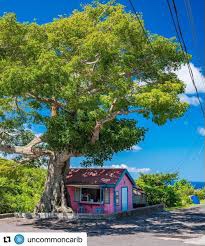
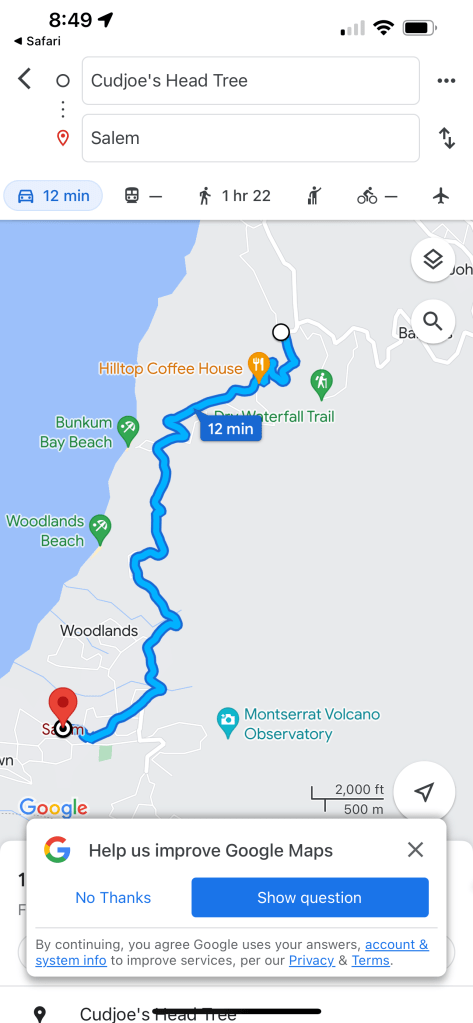
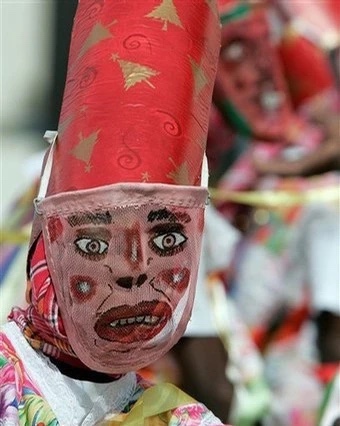
The plan was tragically leaked and it’s leader was executed. In order to make an example of the rebel captain, the island’s leaders choose a tree that had great power amongst the enslaved. A prominent Silk Cotton tree on a hill was picked, as it was a powerful component of West African spiritual beliefs. Having its origins across the ocean like many of the island’s inhabitants, the tree was brought over through the same system of trade that evolved to transport humans. Silk Cotton trees were said to be the home of strong and wondrous spirits, so the slave owner’s statement couldn’t have been clearer to their chattel. Cudjoe’s Silk Cotton Tree is where the plantation owners mounted the rebel’s severed head, they intended to show dominance over both body and spirit. Along with the leader, nine other slaves were hung. The failed 1768 slave uprising that was planned to coincide with the Saint Patrick’s Day festivities, is now commemorated in an Island wide run. The participants follow the historical markers from the tree to the village of Salem, where they are welcomed by raucous bands in a carnival like atmosphere. Saint Patrick’s Day is now officially celebrated as a national Holiday on the island, but it’s Irish past is rooted in a violent past.

The story starts on the island of St. Christopher or the modern St. Kitts, where Europeans had been using the island to recreate tobacco plantations that had been established in Virginia. This area of the Lesser Antilles was a grey zone between Spain, France, and England. St. Kitts was populated by Irish adventurers and settlers out of Galway, these new colonists worked with their French counterparts, to crush a native attack on the island. Dividing the island between them, French and British worked to keep the Spanish out and their slaves in the fields. Indentured Irish servants would be working side by side with imported African slaves, a new underclass was taking shape that threatened the British Protestant order in places like Barbados and St. Kitts.
The 1641 Irish rebellion heightened communal divisions on the English part of St. Kitts, so the Irish were deported to nearby Montserrat. A portion of the former Irish servants of St. Kitts attempted to establish a colony in the Amazon of northern Brazil, but received tough royal settlement requirements set by the Portuguese and had to abandon the venture. These remaining Irish slinked back to Montserrat to join their brethren. The English Civil War saw Catholic Ireland devastated by the forces of Cromwell, for its is intense support of the royal cause. Cromwell crushed the Irish risings and saw a solution to the vexing issue of making inroads into the West Indies. With their land confiscated and their families starving, thousands of Irish “signed” indentured servitude contracts to be sent to the New World. By the 1640’s, Tobacco prices were depressed by the shear number of plantations established on the North American mainland, so a full switch over to sugarcane production occurred on islands like Montserrat.
By the 1670’s, the census of Montserrat listed the Irish population at almost 70%, with the vast majority being in bonded servitude. Almost 100 years later and the African population of Montserrat made up around 90% of the island’s population. The Glorious Revolution of 1688, helped the fortunes of many of the Irish gentry and even the societal status of Irish bond holders, by the 1720’s there were few Irish bonded servants left. Fast forward to the middle of the 18th century and a third of all plantations were owned by Irish. The colonial wars of the latter half of the century and the collapse of sugar prices, deflated the island’s economy. Still in the abolition documents of 1833, Montserrat has the dubious recognition of having the single largest compensation package paid out to a slave owner in the lesser Antilles. This long history has produced an incredible hybrid culture and the Irish language was attested to have been spoken by both European and African residents of the Island, all the way until the end of the 19th century. The Island’s people have combined both the African and Irish diaspora, into a wondrous syncretic blend of unique culture. Enjoy a 1976 Irish Television documentary that captured this unique culture before disaster struck.
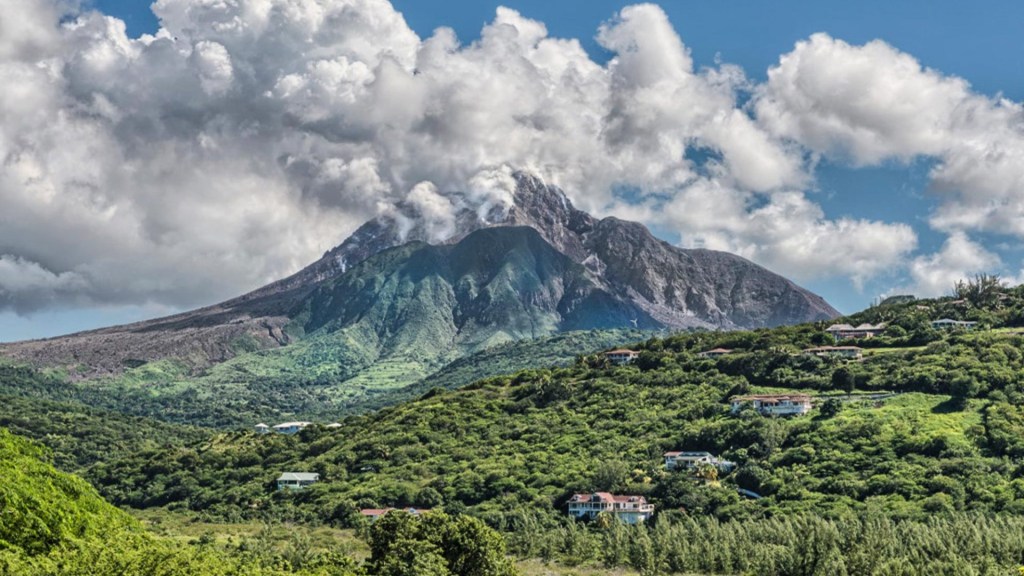
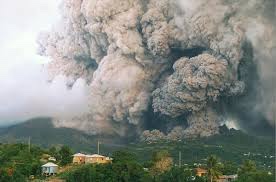
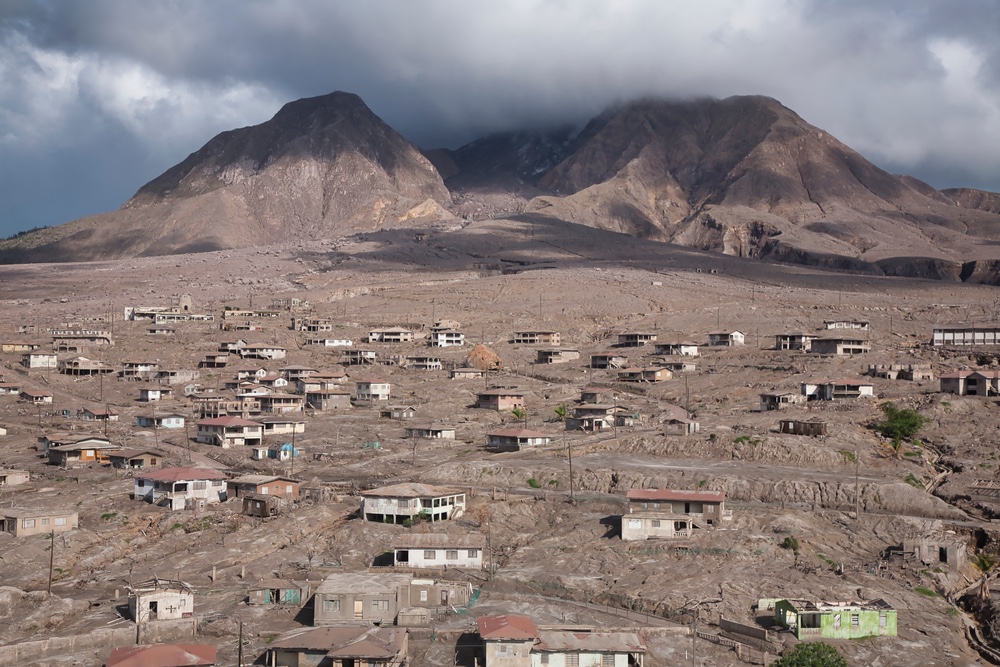
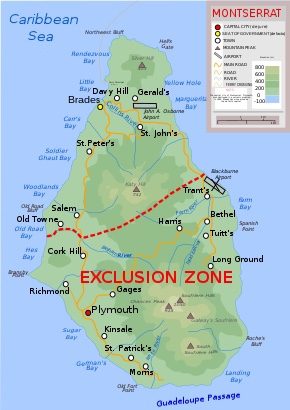
In 1995, a volcano in the Soufriere hills erupted and destroyed the capital city of Plymouth. Further eruptions between that year and 2000, forced the evacuation of the entire southern part of the small island. This southern area is now uninhabitable and is classified as an exclusion zone. Many residents migrated abroad to the UK and the incredible unique culture of the island is in danger. Recent efforts to boost tourism has focused on the celebration of Saint Patrick’s Day, Carnival Parades, and the Cudjoe foot race.

 Historical Caribbean Voyages