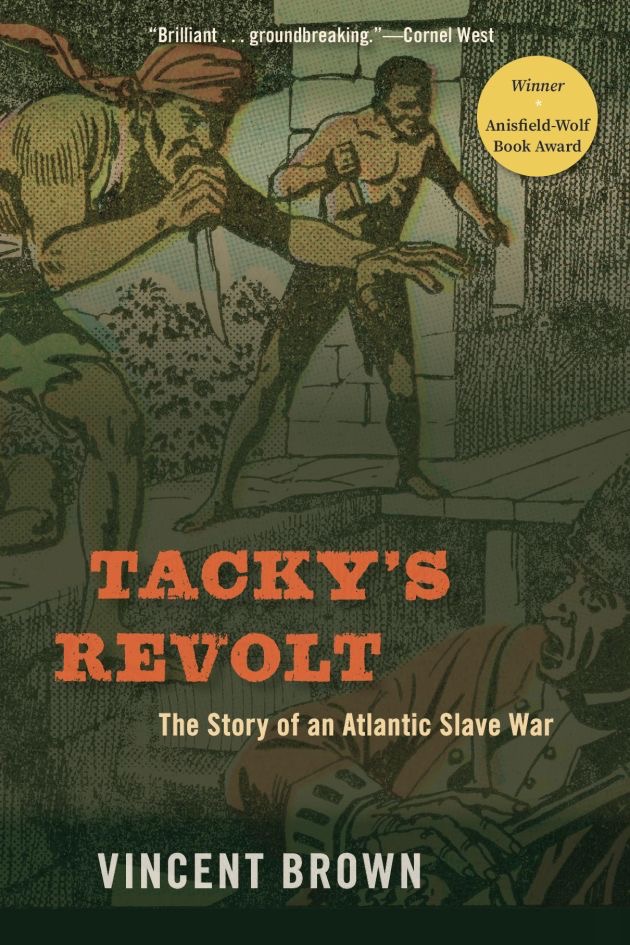
Without a doubt my favorite book I’ve read in the last several years on the transatlantic slave trade, the lens Author Vincent Brown uses is so refreshing, it connects and implicates everyone surrounding the Atlantic Basin. The thematic use of the constant state of low level warfare being shifted about the Atlantic wide basin, helps illuminate the causes of larger slave revolts and the eventual path to abolition in the Caribbean. Brown does a fantastic job in highlighting the African experience and participation in the slave trade, detailing the agency coastal African Slaving Kingdoms exerted not only over the hinterlands, but also over the European factors in their tiny outposts. African methods of diplomacy and warfare are shown to have a strong correlation, whether on the Gold Coast or Jamaica. Finally his focus on the grey areas of this subject expresses itself in the centrality of the Maroons in his narrative. The revolt itself is remembered in a monotoned narrative surrounding a single man and his band of followers, when in fact Tacky’s revolt was just the first of many insurrections that shook the island during the 7 Years War and wasn’t even the largest, as Brown points out Apongo’s related rising in Westmoreland Parish far exceeded Tacky’s destruction. These revolt are themselves tied into pushing a policy on Jamaica, that will eventually lead to the American Revolution. The Jamaican Stamp Act is the model for British government extraction to supplant North American war costs, but would lead to a greater dissolution of the empire just a decade later.

 Historical Caribbean Voyages