The Battle of Ridgeway

Under The Green Harp and a Canal to Eire: The Battle of Ridgeway, 1866
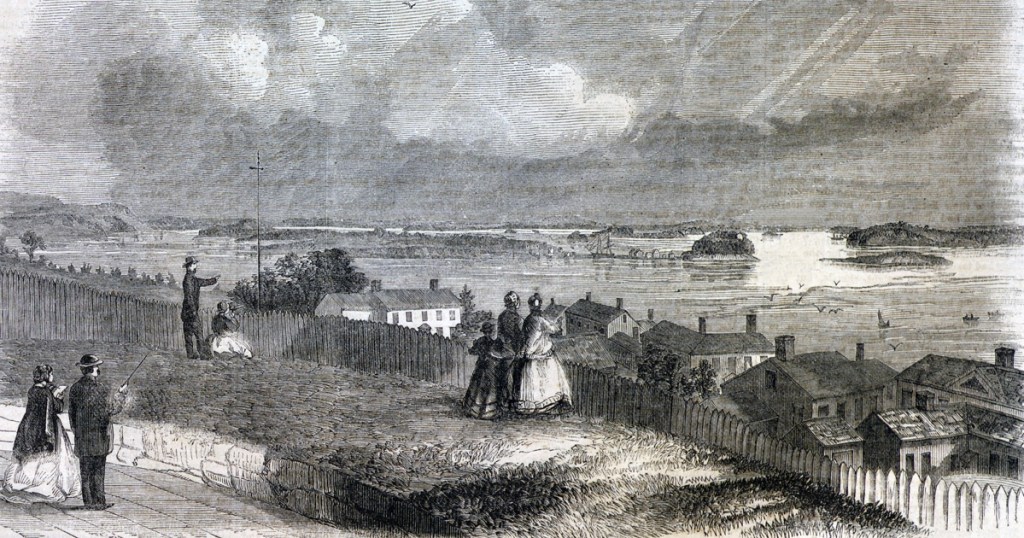
The Welland Canal is a crucial waterway in Ontario, that sits just west of Buffalo and occupies the Niagara escarpment. The canal connects Lake Ontario to Lake Erie and eliminated the need for a portage around the difficult falls. First constructed in 1824, it was enlarged and updated by mid century with a rail line that ran alongside. The Niagara River was the traditional defensive line for any invasion attempting passage between the lakes. American forces had made several successful attempts to ford the river at its southern terminus in The War of 1812. The completion of the canal now made this the new line against any possible American advance into Canada, but the Americans didn’t seem to be coming anytime soon. From 1860-1865, Canada’s neighbor to the south was involved in a brutal Civil War. It was in this conflict, where unseen future enemies gained crucial skills and insight into the bloody business of war.

Irish unemployment in New York City reached almost twenty-five percent by the start of the Civil War and they were hungry, pay offered by both the Union and Confederate forces was enticing. Over one million Irish had crossed the western ocean since the start of the “Great Hunger” in 1845, leaving behind over a million dead on the Emerald Isle. Abusive British Landlords, inept governmental responses, and eight hundred years of occupation had led to a Genocidal situation in Ireland and the resulting diaspora was seething with resentment. New York City was about one quarter Irish by the mid 1850s and these denizens packed into horrendous tenements on the Island of Manhattan. Faced with incredible discrimination by Protestant “No-Nothings,” the desperate population was fertile recruiting ground for resistance organizations against British rule in Ireland.

The great famine on the island had lead to rebellion in 1848, but this was quickly squashed. It’s leaders fled abroad and sought to reorganize their movement into an international organization seeking the independence of Ireland. In 1855, a former rebel by the name of John O’Mahony, helped found the Fenian Brotherhood and sought to use the masses of Irish immigrants in the US to further his cause. The US Civil War saw more than 220,000 Irish soldiers fighting on both sides. Recruits viewed their role as gaining experience for another struggle in which Ireland would be pitted against the British, while proving the bigoted Protestant public was wrong about their supposed lack of dedication to their new land. The Brotherhood was kept afloat by the hundreds of thousands of Irish immigrants who bought bonds, these were assured to be made good six months after Ireland had been seized from the British. The Civil War had honed and hardened the Fenians by 1863, where in Chicago they launched a formal government in exile.

At war’s end in 1865, The Fenians expanded their government at a meeting in Philadelphia and turned their eye toward the application of military force. The brotherhood had organized a supply network centered on Buffalo, which was strategically located in upstate New York. The plethora of arms left over from the war and deep Fenian connections to army itself, allowed the organization to properly stock supply depots aimed at dismantling British rule in Canada. They were able to obtain over 4,000 muzzle loading rifles through auction and US government programs that allowed Union veterans to buy their arms kit. Fenian goals were to seize and hold British transportation networks in Canada, these gains would be exchanged for Ireland’s freedom.

An early raid on April of 1866 against British Campobello Island failed, the Fenians had hoped to hold the island and disrupt shipping into the Bay of Fundy. An attack into Canada’s heartland from multiple directions had initially been planned, with Fenian operatives establishing spy networks north of the border and the 250,000 Irish-Canadians being seen as likely sympathizers. After the earlier failed campaign off the coast of Maine, Brotherhood support was faltering. The shadow government in exile had to use its resources now, or lose them to complacency. By May 1866, multiple groups of Fenians were mobilized and called to positions to across the Upper Great Lakes. Supply and logistic issues narrowed down the launch pad to Buffalo, New York. This big trading entrepôt on the international border had a large Irish population and transportation networks that could hide Fenian supplies. The US government at this point was agnostic, given British support for the Confederacy during the war and cross-border raiding from Canada. Fenian attempts to organize their attacks were helped by the fact that Canadian forces were worn out from earlier alarms of cross-border invasions supposedly targeting the Niagara area.
The gathering Fenian force didn’t go unnoticed, as Canadian spies and even Buffalo’s Mayor had sent alerts to British officials. An odd mixture of old Confederate and Union uniforms clad a united Irish body of patriots, as they looked out upon the Niagara River on the night of May 31st. As more than eight hundred Fenians found boats and crossed in the early morning hours of June 1st, the US gunboat that normally patrolled the area had been disabled temporarily by Fenian agents. Canadian militia were awoken during the middle of the night, including the Queen’s Own Rifles and the University Rifles of Toronto. These forces took ships across across Lake Ontario and made their way toward the southern terminus of the Welland Canal. By midafternoon on the 1st, professional British forces mobilized out of Hamilton and made their way by train toward the Niagara peninsula.
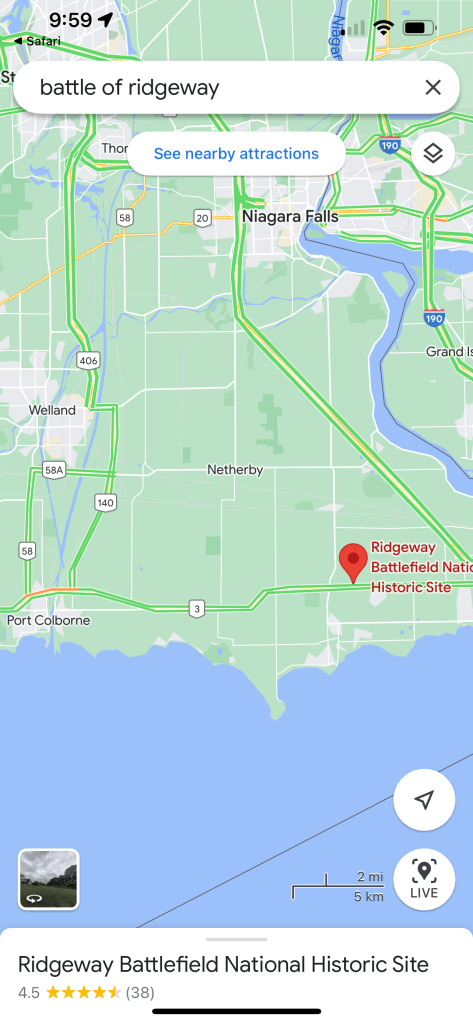
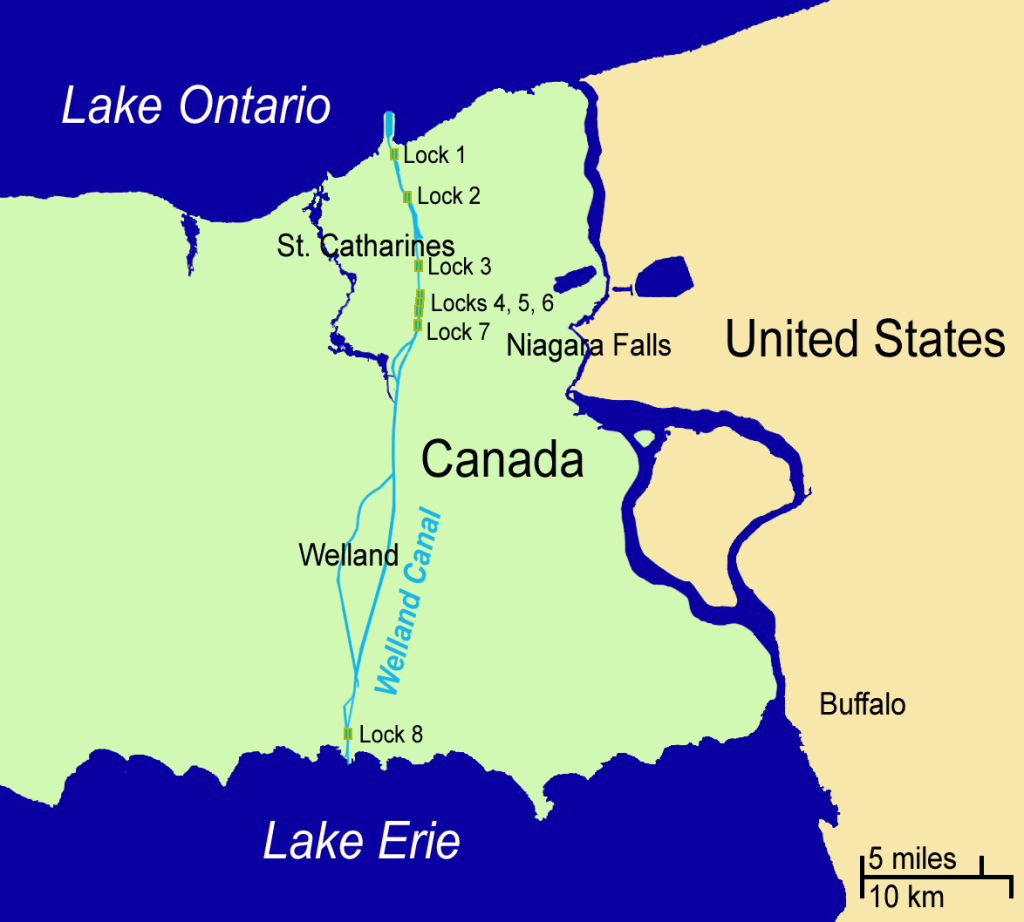
The Fenian army immediately set out for old Fort Erie, pulling up railroads tracks and cutting telegraph wires. Occupying the Village of Fort Erie, Fenian leaders read out a proclamation to the people of Canada that sought to clarify their war aims.
To the people of British America:

We come among you as foes of British rule in Ireland. We have taken up the sword to strike down the oppressors’ rod, to deliver Ireland from the tyrant, the despoiler, the robber. We have registered our oaths upon the altar of our country in the full view of heaven and sent out our vows to the throne of Him who inspired them. Then, looking about us for an enemy, we find him here, here in your midst, where he is most vulnerable and convenient to our strength. . . . We have no issue with the people of these Provinces, and wish to have none but the most friendly relations. 

Our weapons are for the oppressors of Ireland. our bows shall be directed only against the power of England; her privileges alone shall we invade, not yours. We do not propose to divest you of a solitary right you now enjoy. . . . 

The Canadian forces were now in two columns, one to the west at the southern terminus of the canal and one to the north coming from Hamilton. In addition, the US Navy had fixed its patrol ship and now cutoff supplies across the Niagara by days end, on June 1st. The Fenians were outnumbered by at least 5-1, with their only hope being to separately intercept and destroy the two columns piecemeal. The Irish choose to march north along the river and then west, in hopes of meeting one of the columns before they could combine. The column coming from the north consisted of professional and well armed British soldiers, but the column from the west were made up of mostly untrained militia.
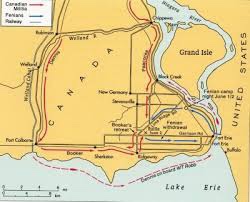
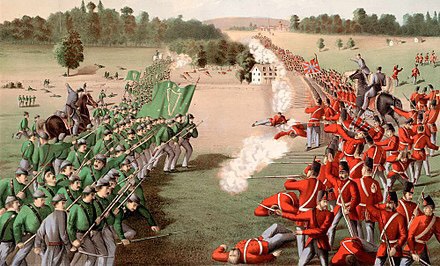
This western column arrived in the Canadian village of Ridgeway by the morning of June 2nd, while several miles north, the Fenians had seized some heights alerted to them by spy networks. This position placed the Fenian forces between the two British columns to prevent their attempted consolidation. The Fenian’s constructed a breastwork along the ridge that blocked the route and waited for the untrained Canadians to attempt their assault. Being crack Civil War Veterans, the Fenians calmly poured fire upon the oncoming green Canadian Militia. Canadian skirmishers had little ammunition, but pressed forward despite the onslaught. Being outnumbered and in risk of being flanked, the veteran Irish soldiers performed a feint. They retreated in good form and the inexperienced Canadians took the bait. In the wild frenzy to chase down the Irish, the center of the Canadian line became overextended, it was now that the Fenians wheeled and unleashed a bayonet charge. In the confusion unleashed by the charge, Canadian officers called their men into a Calvary square by mistake. Now stationery, The Fenians were provided with perfect targets for their seasoned veterans. After two brutal hours of fighting, the British retreated and the Fenians seized the flag of Queen’s Own Rifles.
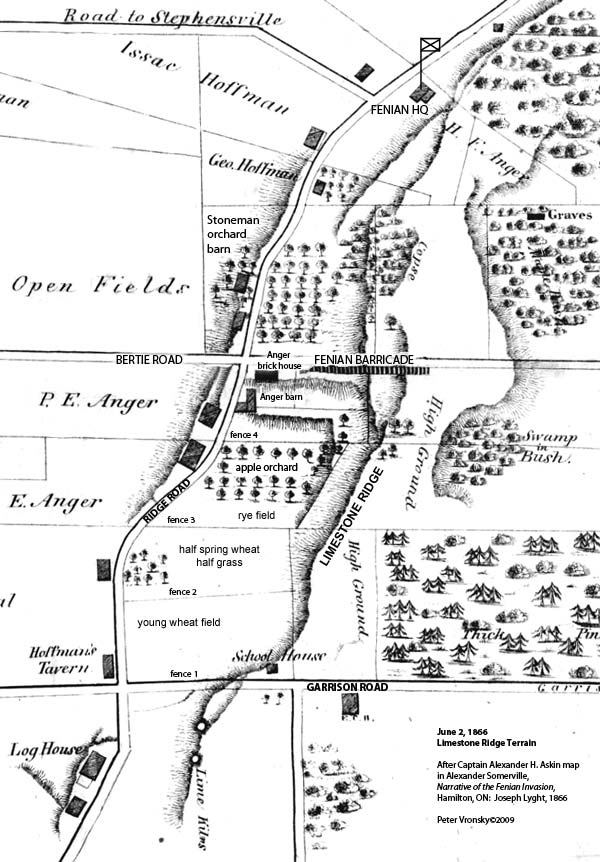
The victory quickly circulated like wildfire on each side of the border and the Irish gave up their pursuit of the retreating British. Hundreds of Fenian reinforcement volunteers from across the US, suddenly started to make their way toward the arena of battle, but there was another column of more professional soldiers still out in the field. The Fenians decided to return to Fort Erie, so they could be resupplied from the US side of the border. Canadian residents of village of Fort Erie, engaged the returning Fenians, as they had repossessed the old fort when the Irish had marched off to Ridgeway. A running battle was fought throughout the village and a large crowd gathered to watch from the Buffalo side. Having pushed the small Canadian force out of the village, Fenian forces now thought they controlled their supply route.

The US Navy had completely shutdown the Niagara River and no other reinforcements were piled be arriving though. The next morning, The Irish were forced to recross the Niagara to Buffalo, but they had freed their Canadian prisoners beforehand. The US government forced the surrender of the Irish force and imprisoned them upon US soil. While the officers were given comfortable quarters, the rank and file were still kept abroad US naval ships near Buffalo. US Army units under the command of General Meade, now kept careful watch over the borders, from New York to Vermont. The Fenians rank and file were released after three days, but the officers faced violations of US neutrality laws. Several days later, 1,000 Fenian recruits marched over the border from Vermont and occupied several small towns. This force was confronted by a much larger Canadian one and retreated back across the border in disgrace.

The Fenian raids came at a delicate time in the development of a Canadian national identity. Some saw a Confederation as the only true way to protect against further raids from the south, while others used the raids to argue for direct British rule to continue. The Battle of Ridgeway marks the end of the long and fractious border conflicts occurring between New York and Quebec, it’s an addendum to the Podcast which will be covered in the final season.
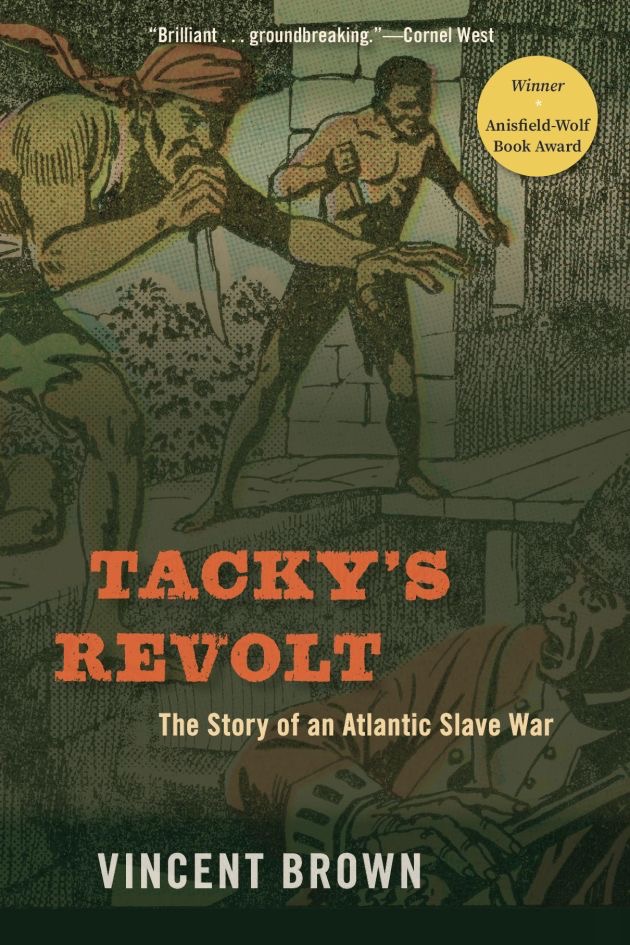
Book Review: Tacky’s Revolt

Without a doubt my favorite book I’ve read in the last several years on the transatlantic slave trade, the lens Author Vincent Brown uses is so refreshing, it connects and implicates everyone surrounding the Atlantic Basin. The thematic use of the constant state of low level warfare being shifted about the Atlantic wide basin, helps illuminate the causes of larger slave revolts and the eventual path to abolition in the Caribbean. Brown does a fantastic job in highlighting the African experience and participation in the slave trade, detailing the agency coastal African Slaving Kingdoms exerted not only over the hinterlands, but also over the European factors in their tiny outposts. African methods of diplomacy and warfare are shown to have a strong correlation, whether on the Gold Coast or Jamaica. Finally his focus on the grey areas of this subject expresses itself in the centrality of the Maroons in his narrative. The revolt itself is remembered in a monotoned narrative surrounding a single man and his band of followers, when in fact Tacky’s revolt was just the first of many insurrections that shook the island during the 7 Years War and wasn’t even the largest, as Brown points out Apongo’s related rising in Westmoreland Parish far exceeded Tacky’s destruction. These revolt are themselves tied into pushing a policy on Jamaica, that will eventually lead to the American Revolution. The Jamaican Stamp Act is the model for British government extraction to supplant North American war costs, but would lead to a greater dissolution of the empire just a decade later.
The Pirate Patroons of The Hudson Valley

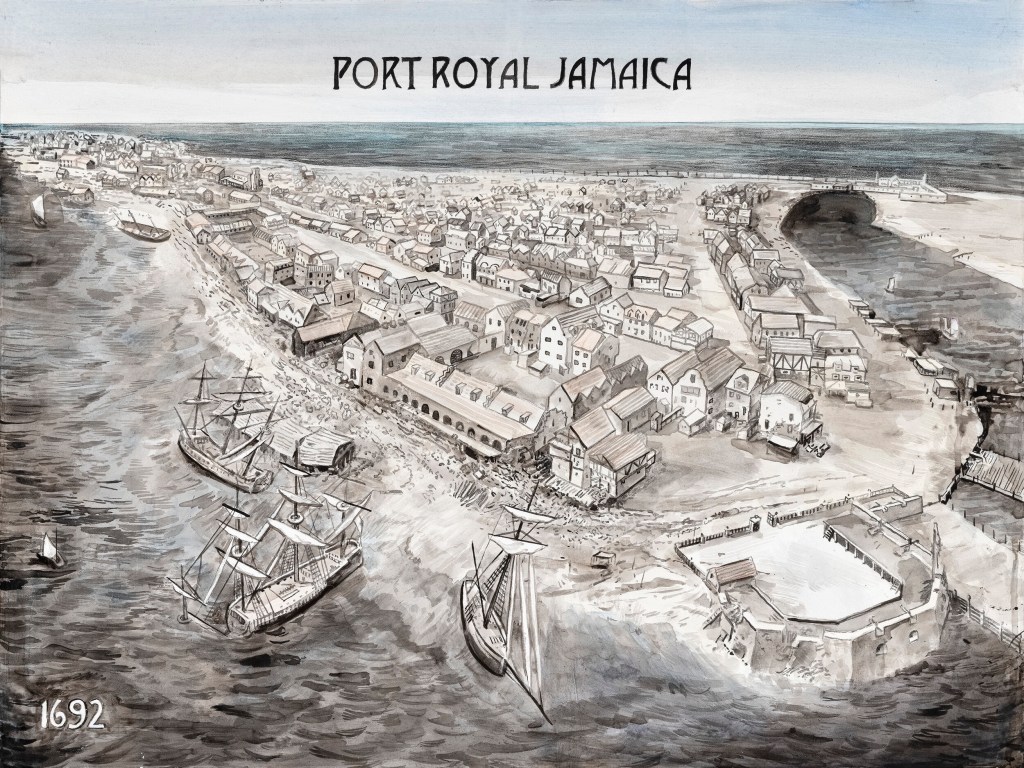
It’s June 7th and the year is 1692, the time is approaching noon at Port Royal, Jamaica, suddenly a massive earthquake turns the spit of sand into into liquid muck and an enormous tsunami sweeps away anything that hasn’t sunk below the surface waves already. This natural disaster destroys the major pirate haven of the West Indies, but will soon become a boon for another den of sin located off the coast of Madagascar.

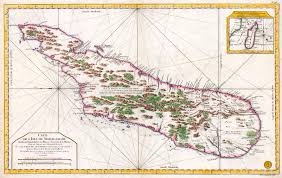
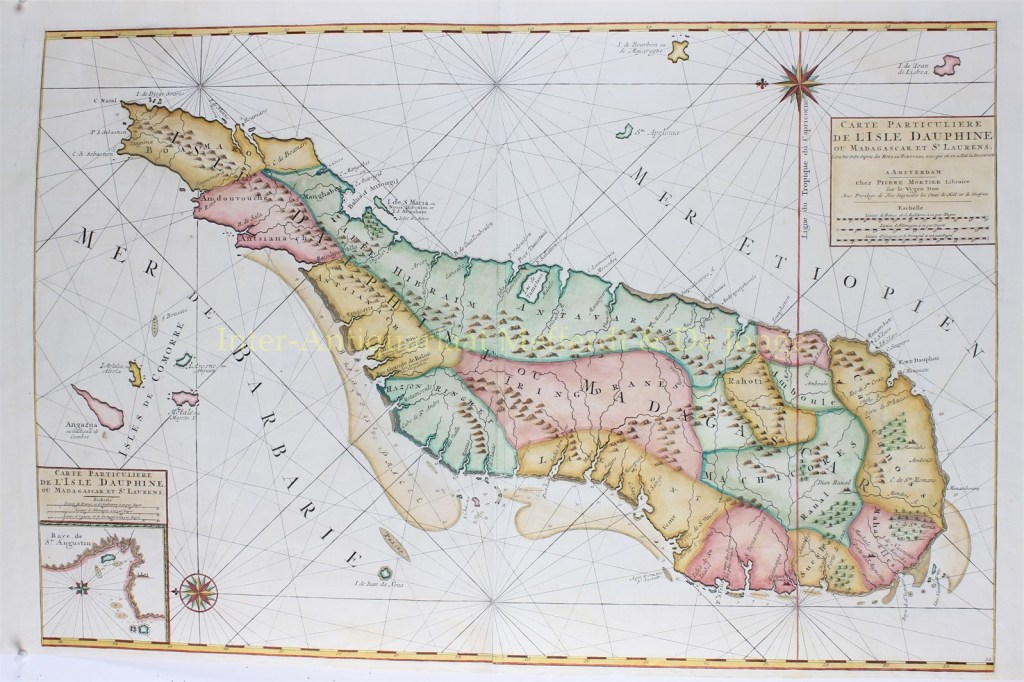
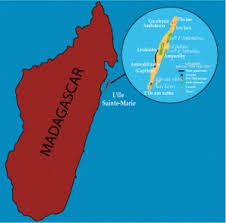
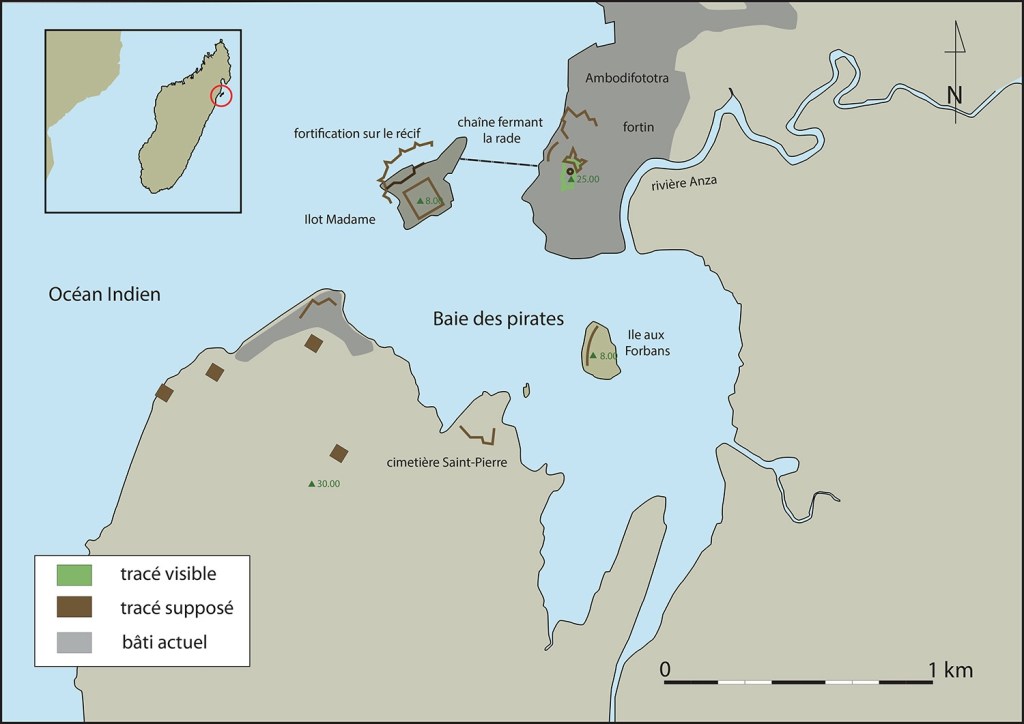
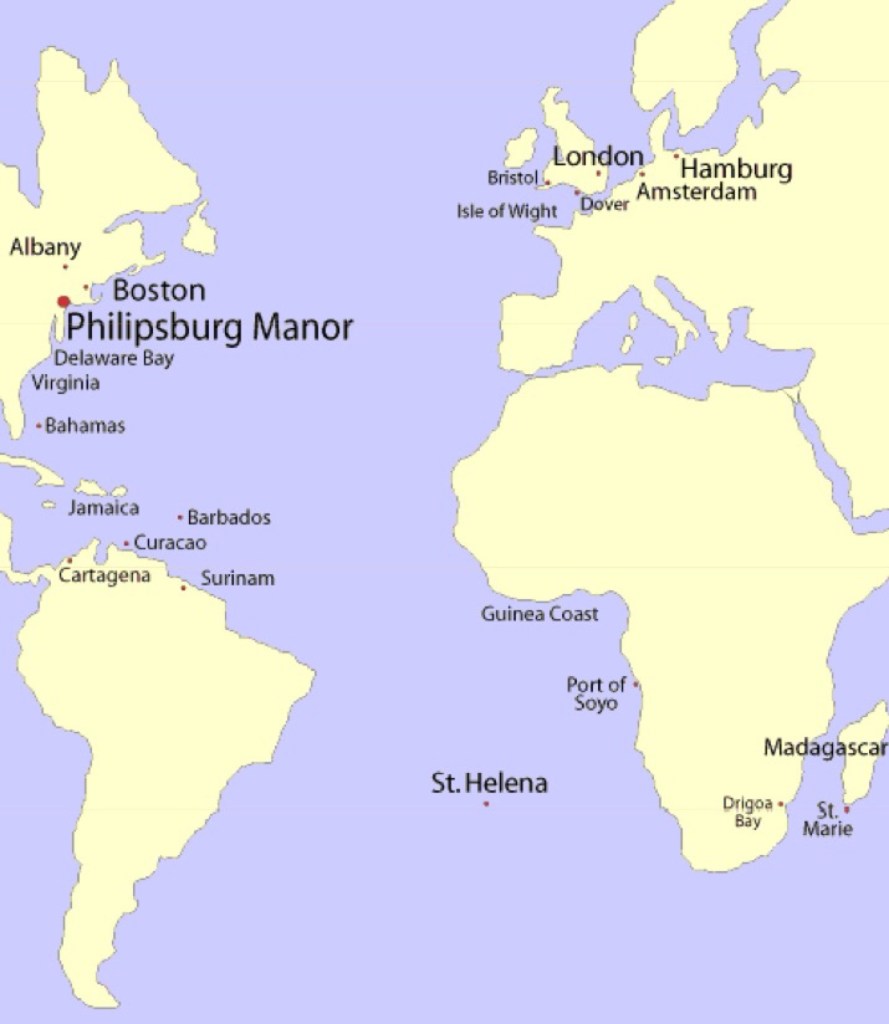
The Island of Sainte-Marie located off the northeast coast of Madagascar, was perfectly placed along the spice routes of the British East India company and its syncretic ruling class of Malagasy Nobles and European Buccaneers had developed long tendrils reaching as far as the Hudson Valley. The first to discover the potential of the out of the way enclave by a former indentured servant by the name of Thomas Tew. He made his life as a privateer after serving out his penal sentence on Barbados or St. Kitts, his success brought him funds and crews necessary to attack French factories near the River Gambia. He set out in the year of 1692 and possessed letters of Marque that sanctified the venture from the governor of Bermuda. Extremely bad weather broke up this fleet and a vote was taken to cross the thin line between piracy and privateering. The voyage of his crew would come to represent what is described as the “Pirate Round,” ships would start in the Atlantic, move to the tip of Africa and either up the coast or onto India. The Island of Sainte-Marie was the perfect operating base from which to intercept trade between India and North America, while also positioning oneself to seize the Islamic trade in slaves and Haji pilgrims at the mouth of the Red Sea.

Two years before the disaster at Port Royal, a man by the name of Adam Baldridge was part of the crew of the slave ship “fortune,” whose trips produced a cheaper trade in bondage over the middle passage. Seeing the advantage of a beautiful landlocked bay, he elected to stay on the island of Sainte-Marie and set up shop. The bay he chose contained a protective sandbar at its mouth and was landlocked on three sides by elevated hills, these would aid in fortifications to protect the port. He quickly realized the value of his “neutral” stopover and ingrained himself amongst the local Malagasy nobility. He married several women of local notables and helped them pursue their wars on the mainland, this benefited Baldridge as the wars delivered large amounts of captured slaves.

As I’ve discussed in previous threads and on my podcast, the Dutch Merchant class was uniquely positioned to leverage their international contacts within the Navigation Act system. Poorly defined slave importation contracts for stock-sharing government backed companies, also placed Madagascar in a grey area. Early English governors of New York used privateers to take enemy prizes and of course do some trading while they happened to be sailing, but it was the NY Dutch merchants that provided the goods and funds for these privateers. The profits were great, a slave could be purchased for a few shillings in Sainte-Marie, as opposed to a few pounds in West Africa. There was plenty to split between the privateers, the New York politicians and the Patroons.

Greed tends to break up many a good criminal enterprise and this one was no different. Though the governors of New York issued the letters of marque and invested in the venture, men like Frederick Philispe decided to cut out the middle man. Privateers would pull into New York Harbor by night, but unload a significant amount of cargo onto schooners, this was sent up to the Patroon’s manor via the Hudson and small creeks. Eventually this scheme would be uncovered and the Patroon would find himself thrown off the executive council in 1698 for illegally conducting the slave trade in New York. Possibly more than 700 Malagasy slaves were smuggled into the plantation’s of the Hudson Valley, but the pirate haven declined by the first half of the 18th century, after suffering from British government interdiction and finally Mughal attacks.

One of the most intriguing mysteries is the role of Baldridge and his pardon, he seems to have cut a deal with British authorities and was never accused of piracy, though his actions clearly violated the Navigation acts and impeded on several national stock-charter companies. It is his correspondence that finally brings down Philispe and it seems like the British government’s way of getting back at an ungrateful partner, who they viewed had dishonorably cutout some very important men in New York.

Montserrat’s Afro-Irish History

The Other Emerald Isle: Montserrat’s Rich Irish-Afro Culture

In a slight Galway lilt, a group of enslaved Afro-Irish chat around a pot of “Goat Water,” resembling a stew from far across the western ocean. The plotters knew the tiny British Island of Montserrat would be enthralled by the upcoming Saint Patrick’s day celebrations and the authorities would be distracted. Though proper Protestant leadership looked down up these raucous merrymaking in celebration of a Papal cause, the Island’s Irish Catholic roots were too deep and widespread, to attempt to interdict such revelry. Groups of slaves were to retrieve weapons they had gathered in the government house and others were to lead bands of plantation slaves against their master’s estates, the date was set for March 17th, 1768.

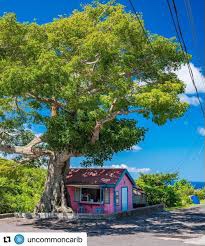
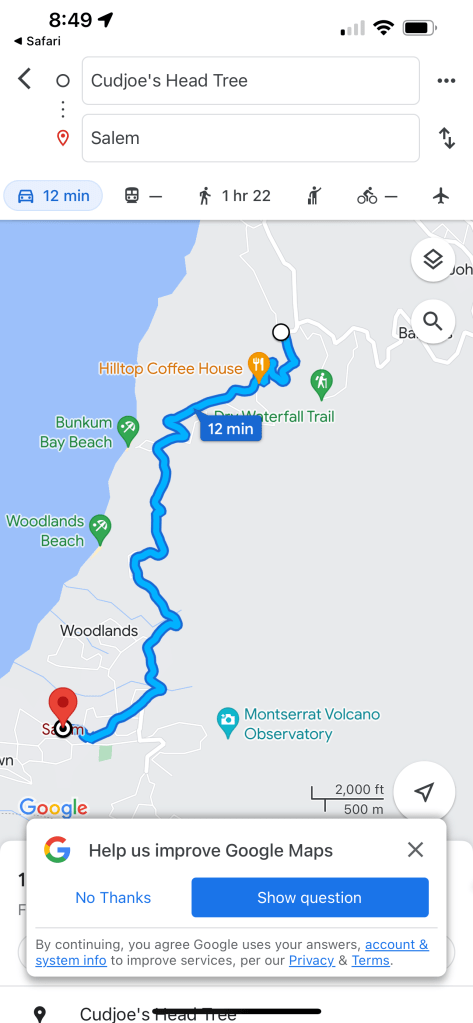
The plan was tragically leaked and it’s leader was executed. In order to make an example of the rebel captain, the island’s leaders choose a tree that had great power amongst the enslaved. A prominent Silk Cotton tree on a hill was picked, as it was a powerful component of West African spiritual beliefs. Having its origins across the ocean like many of the island’s inhabitants, the tree was brought over through the same system of trade that evolved to transport humans. Silk Cotton trees were said to be the home of strong and wondrous spirits, so the slave owner’s statement couldn’t have been clearer to their chattel. Cudjoe’s Silk Cotton Tree is where the plantation owners mounted the rebel’s severed head, they intended to show dominance over both body and spirit. Along with the leader, nine other slaves were hung. The failed 1768 slave uprising that was planned to coincide with the Saint Patrick’s Day festivities, is now commemorated in an Island wide run. The participants follow the historical markers from the tree to the village of Salem, where they are welcomed by raucous bands in a carnival like atmosphere. Saint Patrick’s Day is now officially celebrated as a national Holiday on the island, but it’s Irish past is rooted in a violent past.

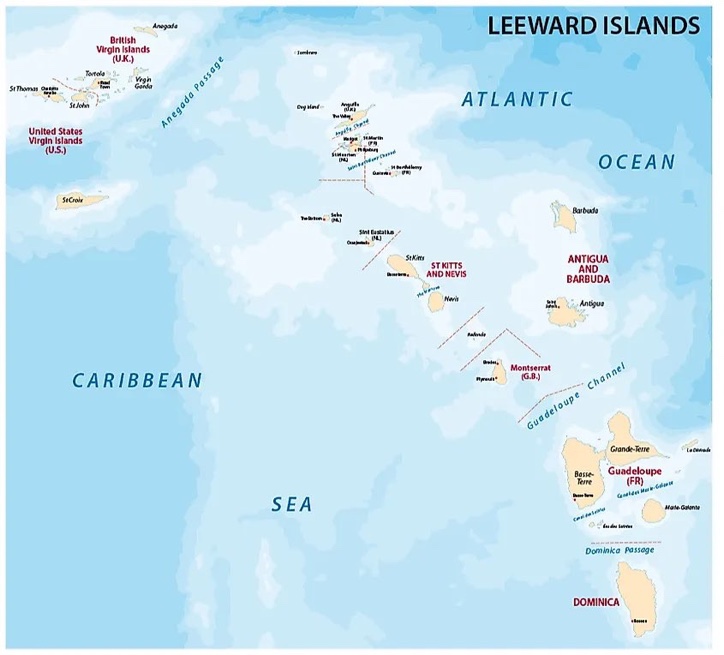
The story starts on the island of St. Christopher or the modern St. Kitts, where Europeans had been using the island to recreate tobacco plantations that had been established in Virginia. This area of the Lesser Antilles was a grey zone between Spain, France, and England. St. Kitts was populated by Irish adventurers and settlers out of Galway, these new colonists worked with their French counterparts, to crush a native attack on the island. Dividing the island between them, French and British worked to keep the Spanish out and their slaves in the fields. Indentured Irish servants would be working side by side with imported African slaves, a new underclass was taking shape that threatened the British Protestant order in places like Barbados and St. Kitts.

The 1641 Irish rebellion heightened communal divisions on the English part of St. Kitts, so the Irish were deported to nearby Montserrat. A portion of the former Irish servants of St. Kitts attempted to establish a colony in the Amazon of northern Brazil, but received tough royal settlement requirements set by the Portuguese and had to abandon the venture. These remaining Irish slinked back to Montserrat to join their brethren. The English Civil War saw Catholic Ireland devastated by the forces of Cromwell, for its is intense support of the royal cause. Cromwell crushed the Irish risings and saw a solution to the vexing issue of making inroads into the West Indies. With their land confiscated and their families starving, thousands of Irish “signed” indentured servitude contracts to be sent to the New World. By the 1640’s, Tobacco prices were depressed by the shear number of plantations established on the North American mainland, so a full switch over to sugarcane production occurred on islands like Montserrat.

By the 1670’s, the census of Montserrat listed the Irish population at almost 70%, with the vast majority being in bonded servitude. Almost 100 years later and the African population of Montserrat made up around 90% of the island’s population. The Glorious Revolution of 1688, helped the fortunes of many of the Irish gentry and even the societal status of Irish bond holders, by the 1720’s there were few Irish bonded servants left. Fast forward to the middle of the 18th century and a third of all plantations were owned by Irish. The colonial wars of the latter half of the century and the collapse of sugar prices, deflated the island’s economy. Still in the abolition documents of 1833, Montserrat has the dubious recognition of having the single largest compensation package paid out to a slave owner in the lesser Antilles. This long history has produced an incredible hybrid culture and the Irish language was attested to have been spoken by both European and African residents of the Island, all the way until the end of the 19th century. The Island’s people have combined both the African and Irish diaspora, into a wondrous syncretic blend of unique culture. Enjoy a 1976 Irish Television documentary that captured this unique culture before disaster struck.

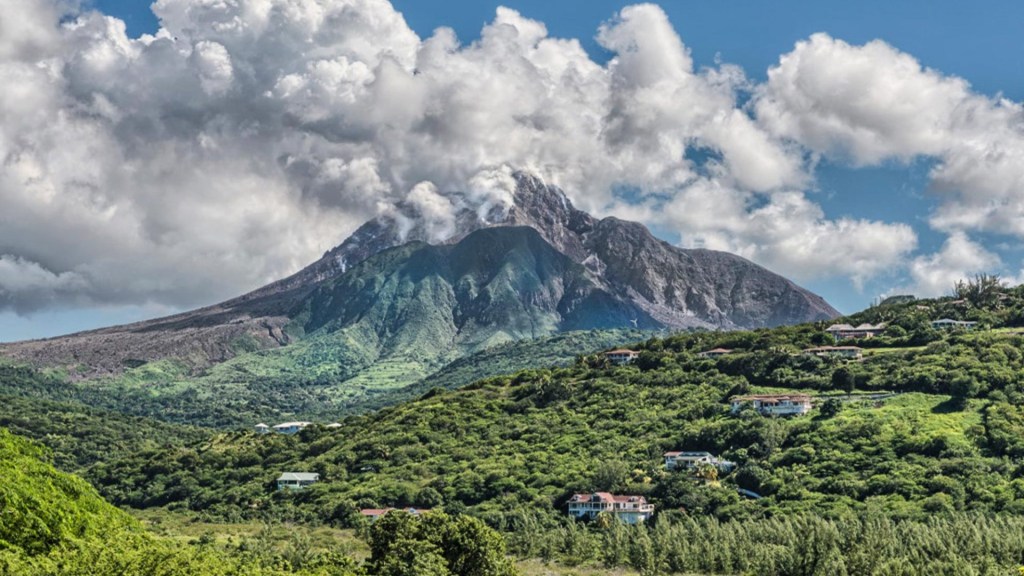
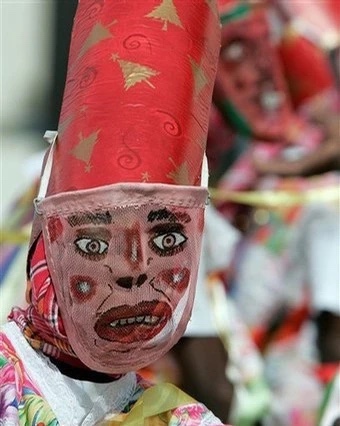
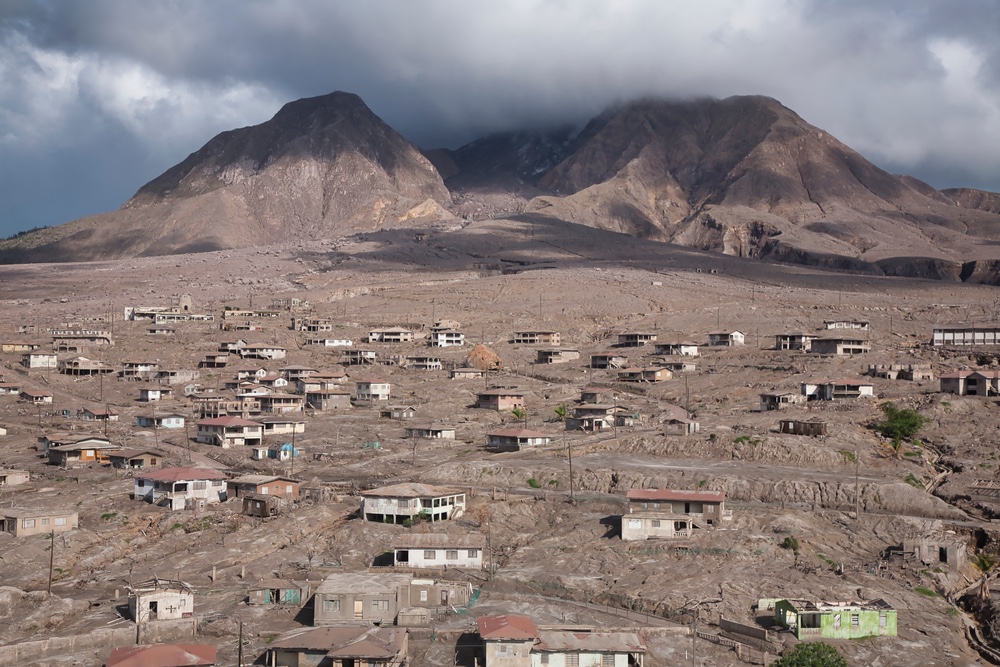
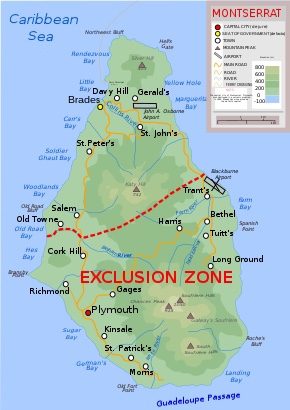
In 1995, a volcano in the Soufriere hills erupted and destroyed the capital city of Plymouth. Further eruptions between that year and 2000, forced the evacuation of the entire southern part of the small island. This southern area is now uninhabitable and is classified as an exclusion zone. Many residents migrated abroad to the UK and the incredible unique culture of the island is in danger. Recent efforts to boost tourism has focused on the celebration of Saint Patrick’s Day, Carnival Parades, and the Cudjoe foot race.

The Bayeux Tapestry

I highly suggest everyone reads the thread with this accompaniment in the background, because I most certainly will as I view this amazing piece of history!

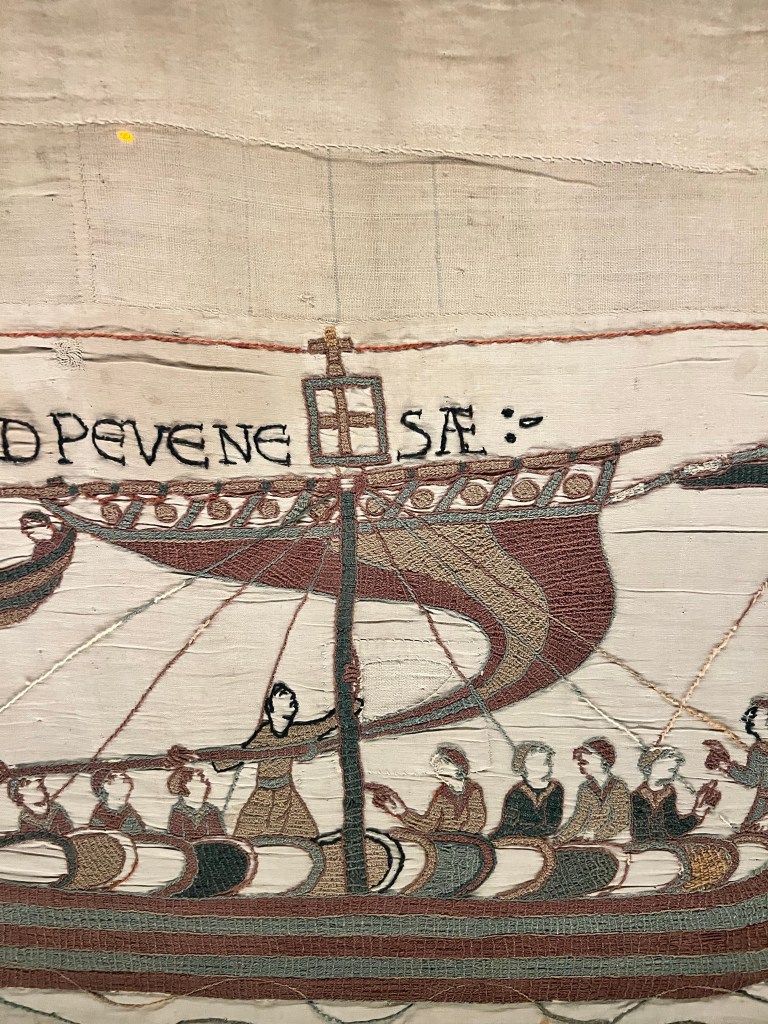
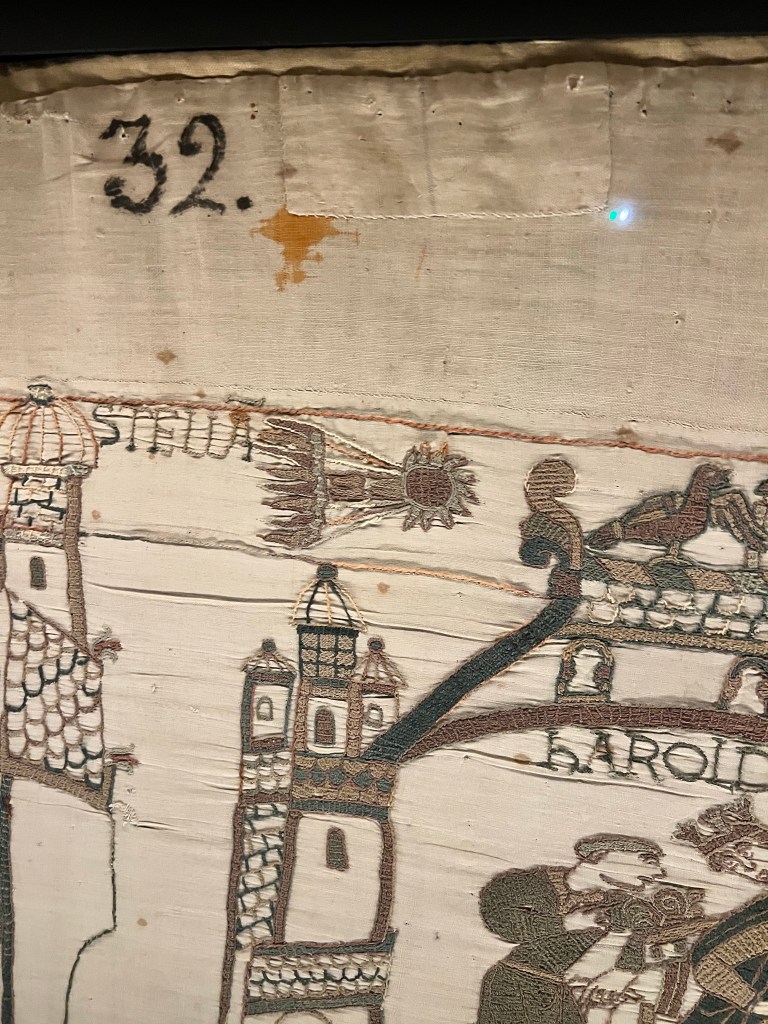
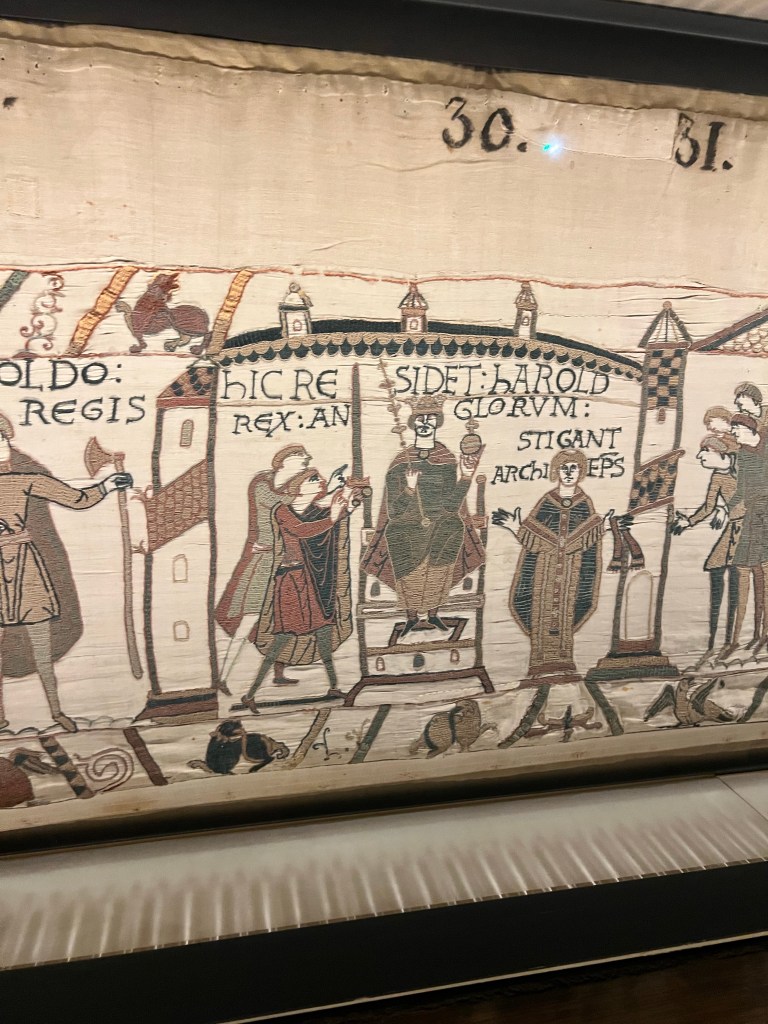
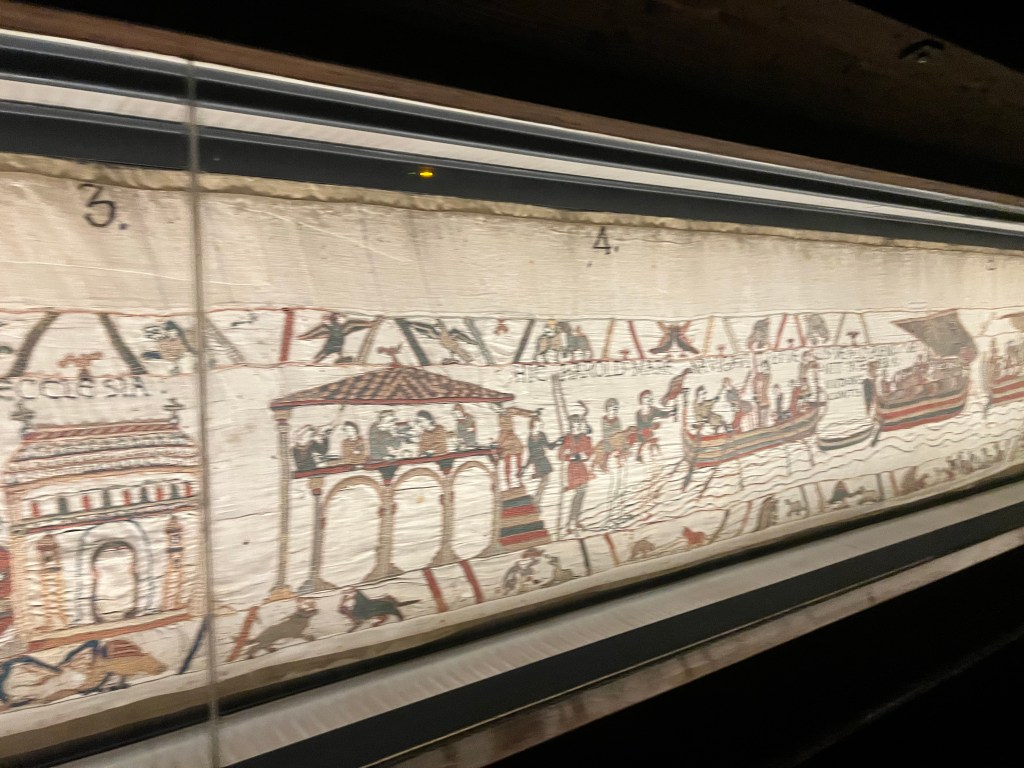
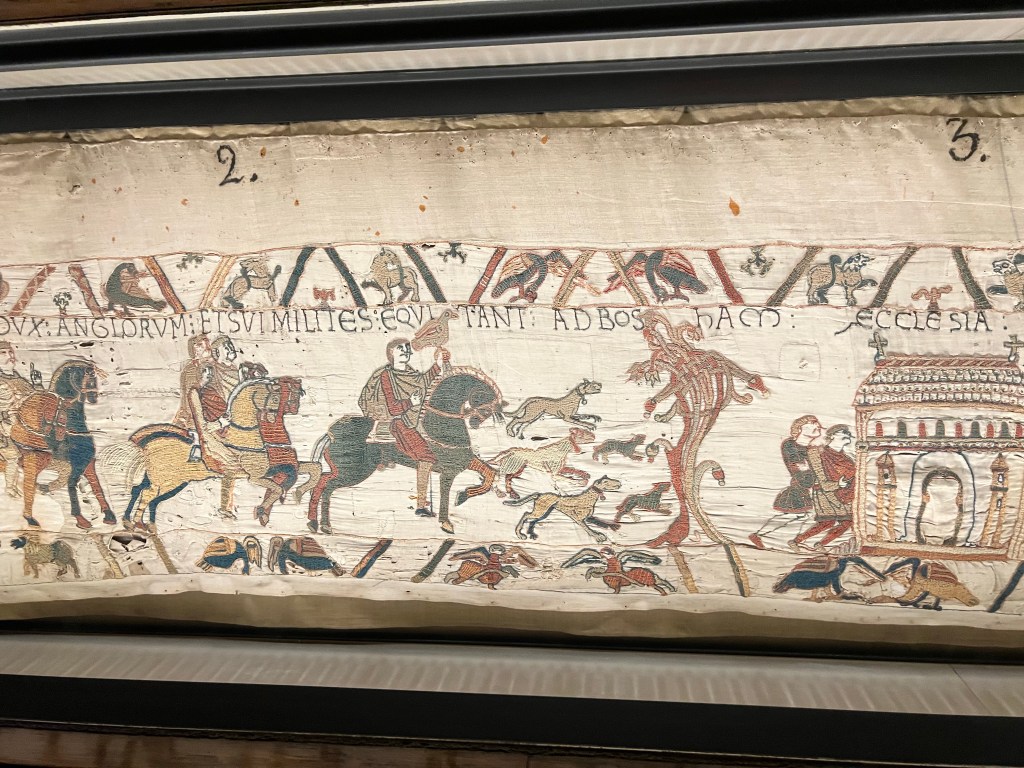
The Tapestry is both completely shrouded in mystery, while simultaneously being a world famous source for one of the key turning points in western civilization. Our first mention of it was in a 1476 inventory of the Bayeux Cathedral, where it was being displayed for eight days each November until 1728. It was almost destroyed in the French Revolution and the Nazis highly contemplated taking the work with them.

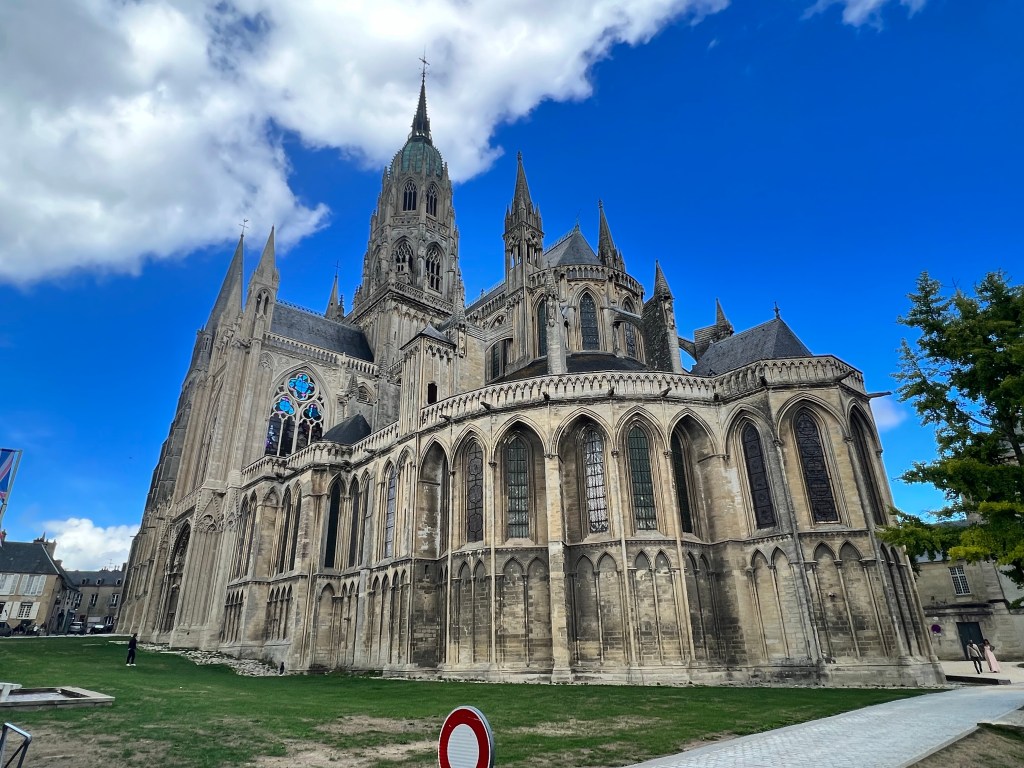
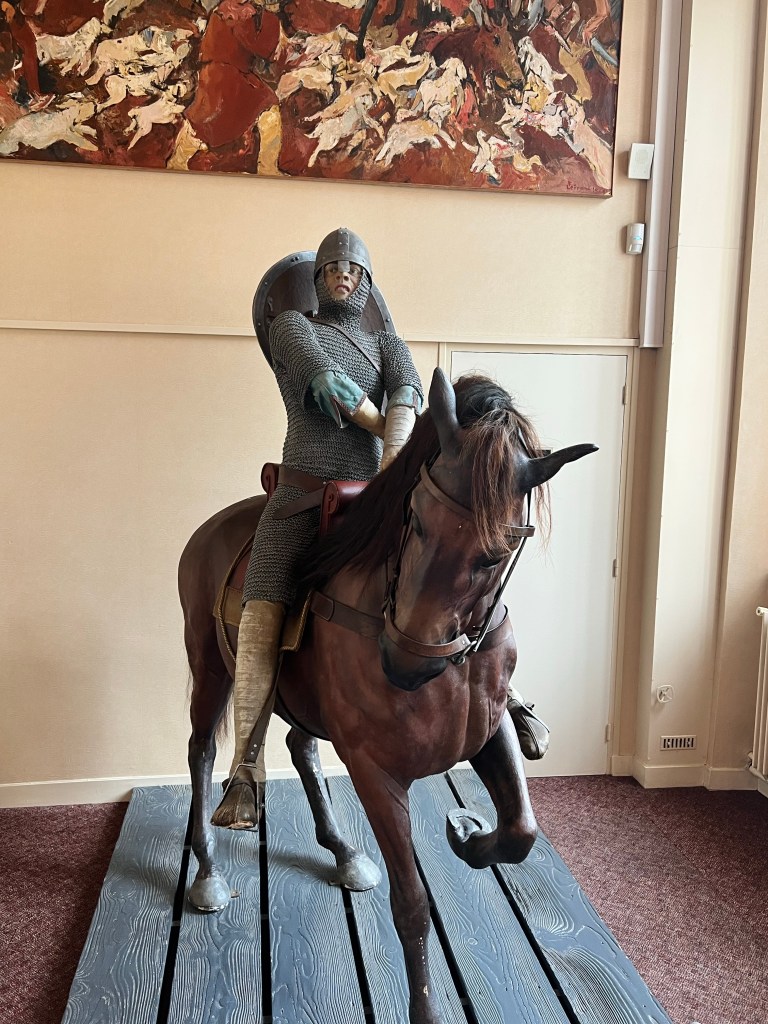
At 223 feet long and still missing several ending scenes, the Tapestry is the largest of its kind that has survived intact to the present day. We think it was produced in England and arrived in Bayeux before the end of William’s reign. The direct link is Bishop Odo, who was William’s half-brother and whose episcopal seat was Bayeux Cathedral. The patterns and style closely match other works produced at Canterbury Cathedral. Though shortened today, the Tapestry would have perfectly fit into the nave of the newly constructed Bayeux Cathedral behind the altar. Bishop Odo commissioned the work because of his central inclusion in the narrative versus the other historical source materials.

The tapestry contains an interesting detail on the oath Harold swore to William, it depicts the location as being in Bayeux. This is the only historical source to claim this. Odo is also depicted in the ranks of the Norman knights at the Battle of Hastings, along with the names of his retainers. The narrative is definitely one of Norman hindsight, but it also contains some tidbits of English sympathy for the fallen Harold. Harold is depicted as saving William’s life and contributing to his campaigns in Brittany during the time after his parole from William’s vassal. Harold’s legitimate succession from Edward is depicted with the dying king reaching out and touching Harold in front of his courtiers. The tapestry is designed with interpretation in mind and the neutral ambiguity of a courtier. Even the “Oath” that Harold swears is depicted ambiguously, the text over that accompanying scene on the tapestry doesn’t specify what was contained in the “oath,” just that it was performed.

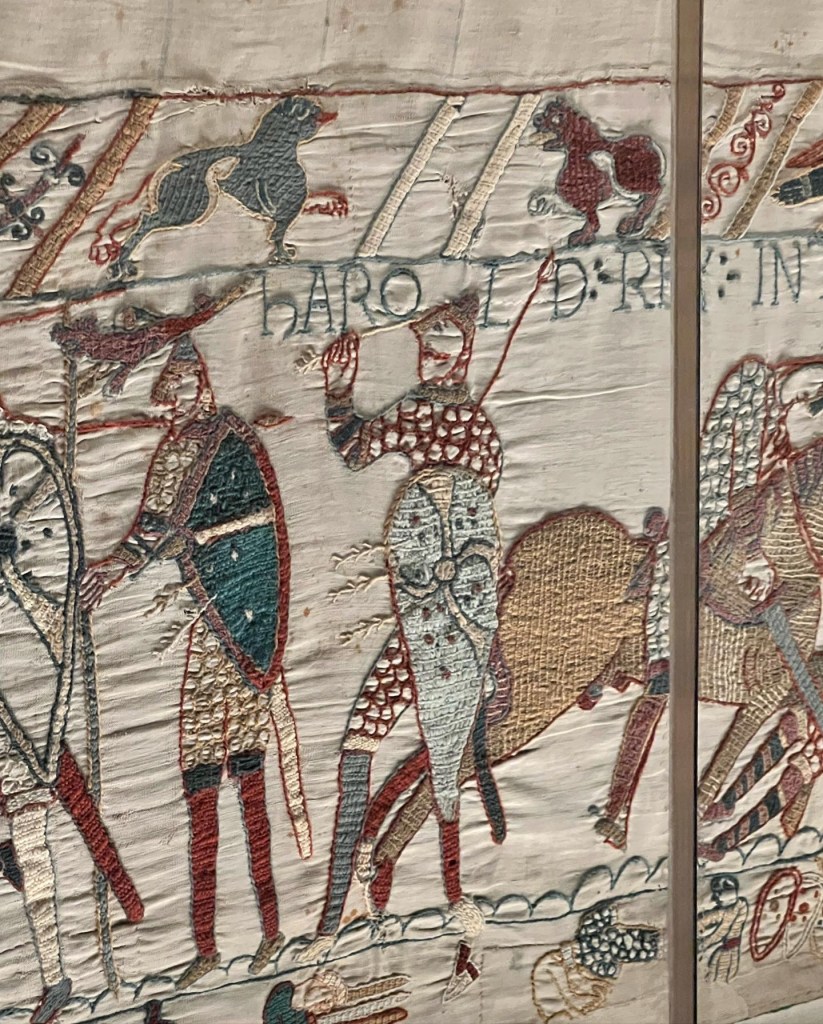
The death of Harold Godwin is depicted with the traditional “arrow in the eye,” but our sources are mixed. Many early sources from the time backup the Tapestry depiction, but the we do have later sources stating Harold was cut down in an Norman Calvary charge. The famous death scene does contain two men under the text, but both figures are quite different in dress and armament. Only one man has an arrow protruding from his eye and we can comfortably identify this figure as Harold.

The role of William’s half siblings is also communicated to us by their inclusion and Odo’s role in the invasion. The Conqueror’s extended family provided the hundreds of ships needed to pull off such an daring feat. Odo would rise to become the second wealthiest man in England and Earl of Kent after the conquest. He served William until 1082, when he was deposed for using military resources to pursue the Papal throne. Odo was thrown in prison for five years and restored to his previous position on William’s deathbed. He then went on to support the Norman Duke Robert Curthose’s rebellion against his brother William Rufus.

After the rebellion failed, Odo stayed in Bayeux and enlisted in the First Crusade. He died in Norman Sicily en route to Holy Land and is buried in Palermo’s Cathedral. Odo’s central role in the commission of the Tapestry and his life’s deeds provide us with the historical link that demonstrates the ascendence of the Normans upon the world stage. From the windswept channel of England to the sunny Mediterranean island of Sicily, the Normans had come along way since their marauding Viking roots. I highly recommend Palermo’s Monreale, it is an absolute must for anyone interested in Norman History. Both the Palermo Cathedral and Monreale are key sites containing the stories and remains of the other branch of the Norman ruling elite.

The Dutch Occupation of Acadia

While the Dutch were expelled from the Eastern seaboard after the English seizure of New Netherlands in 1664, they returned briefly in force in 1673. The Third Anglo-Dutch War provided the opening Dutch needed to reestablish their North American Empire. After seizing New York back in 1673, the Dutch ceded the city back to the English a year later for peace in 1674. Before word of peace reached the Dutch Antilles, a Frigate was dispatched from Curacao.

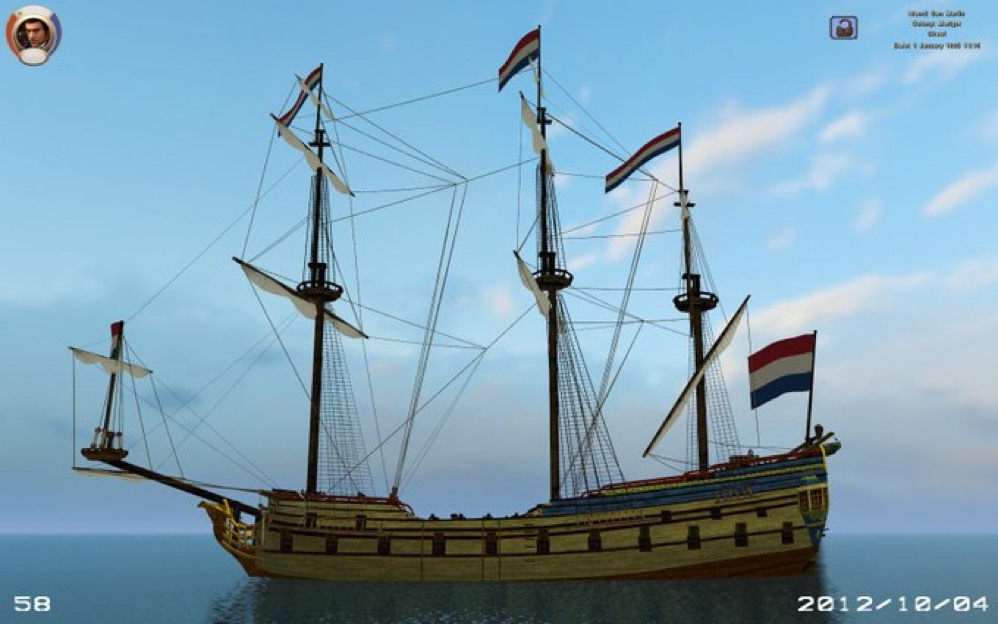
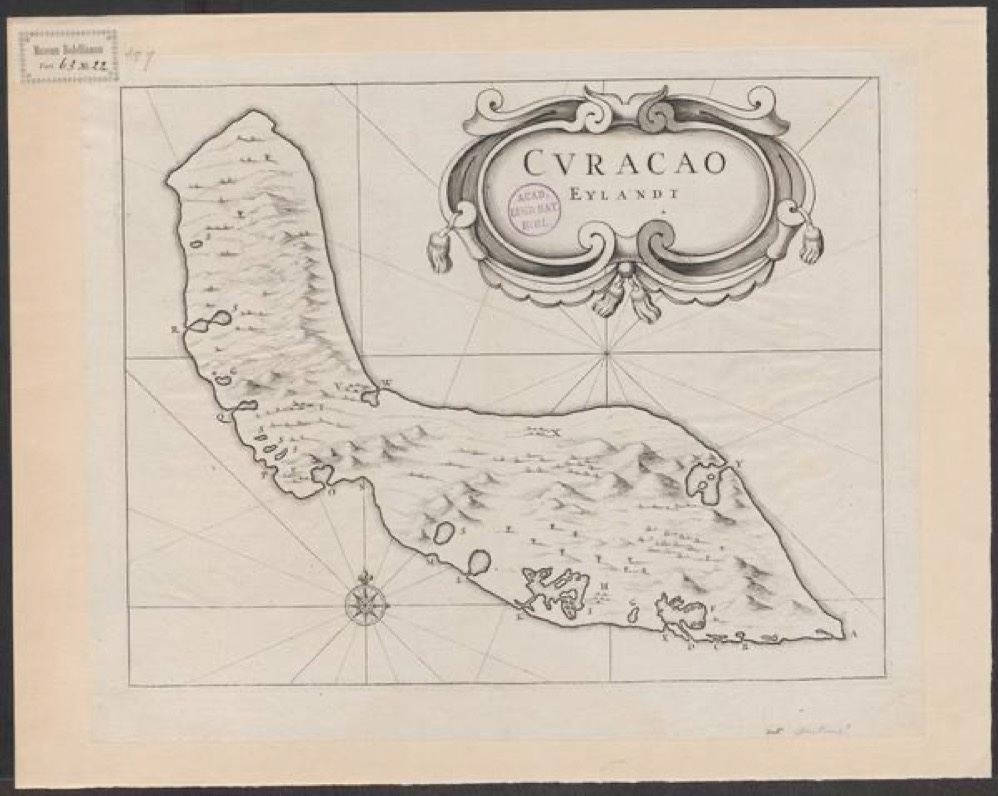
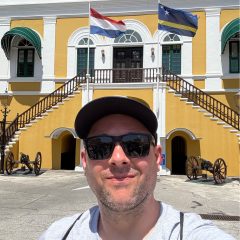
This small Carribean island was the WIC’s center for it’s North American holdings and a major slave entrepot. The Dutch Frigate “The Flying Horse” under the command of Captain Jurriaen Aernoutsz, arrived in New York Harbor in July and were informed of the diplomatic developments.

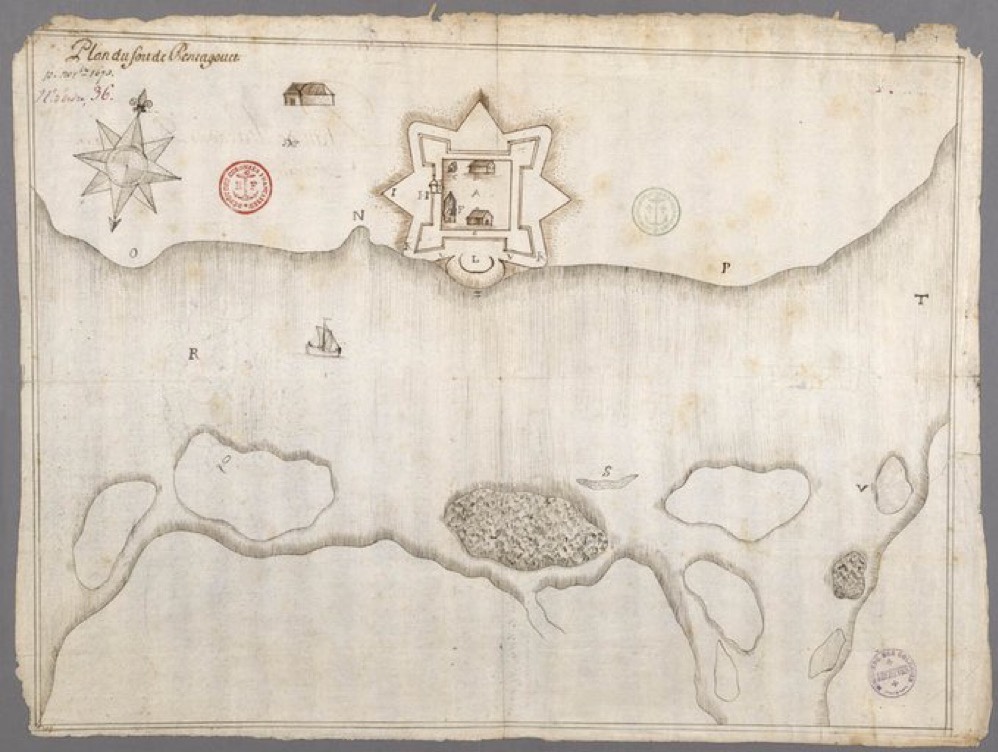
While England and the Netherlands were at peace, The French were still considered a hostile party as they were not involved in the seperate peace signed the year before. While at anchor in New York Harbor, the Captain of the Dutch Frigate received news that the French Colony of Acadia was lightly defended. The boundary of the French claims ended at the Kennebec River and located within the modern US state of Maine. The river empties into Penobscot Bay and the French had established a regional capital called Fort Pentagouet there.

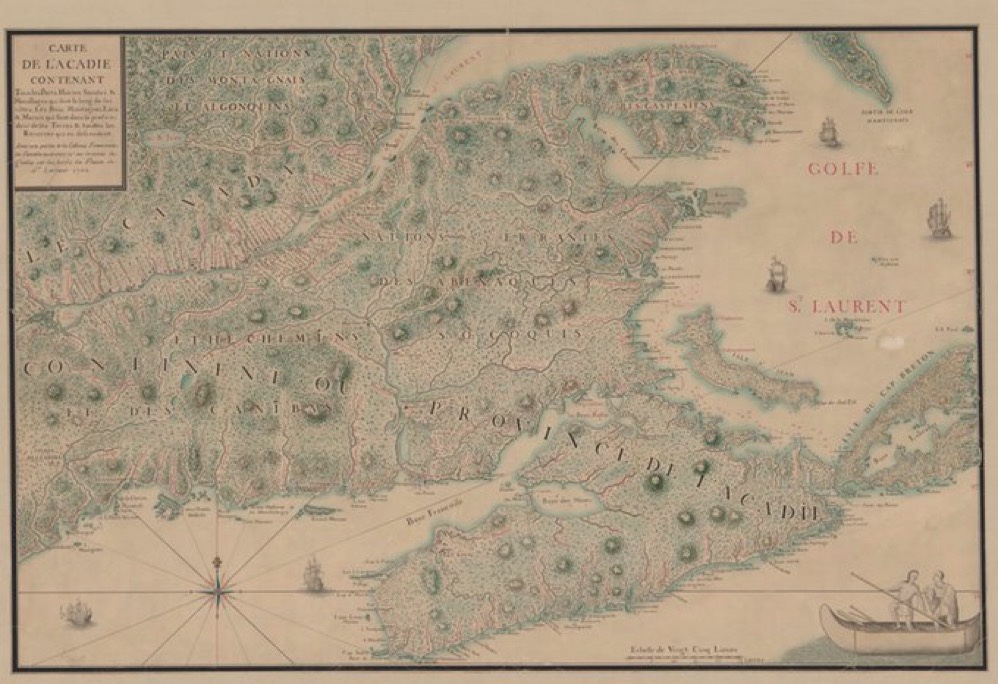
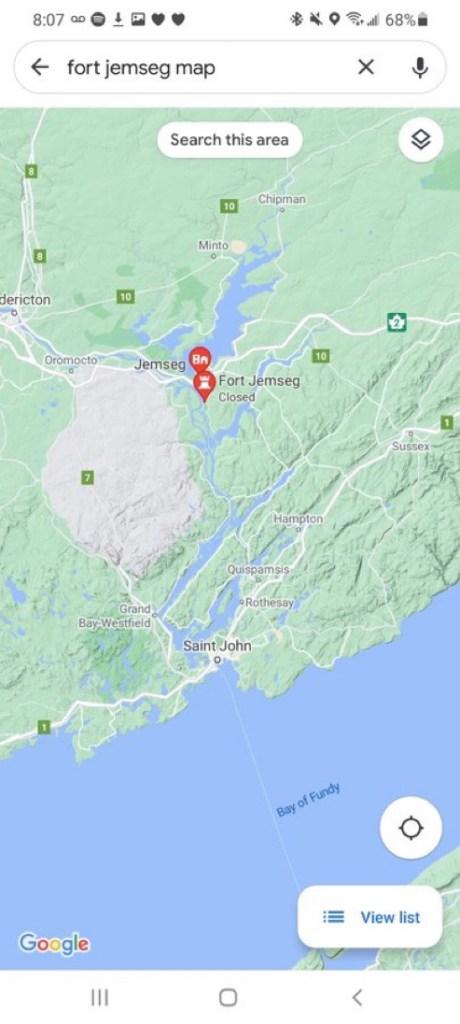
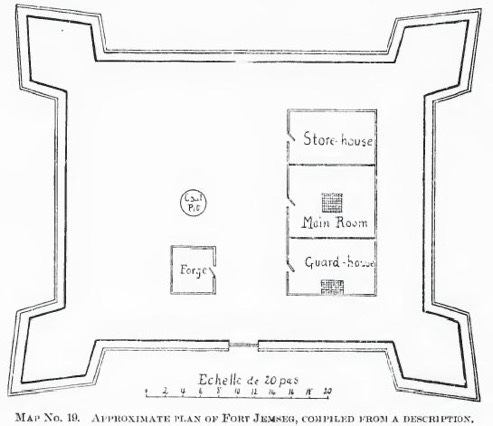
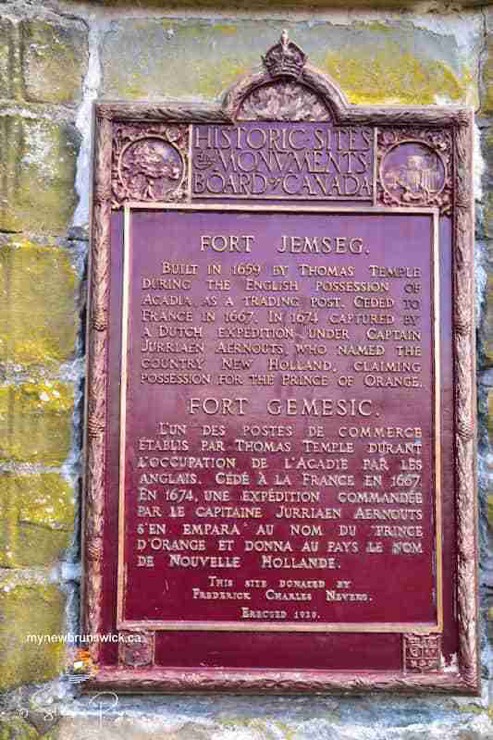
On August 10, 1674, Captain Aernoutsz reached the French fort. He had 110 men under his command and outnumbered the 30 poorly equipped French defenders. After a two hour bombardment, the fort surrendered to the Dutch. For the next month, Captain Aernoutsz sailed north laying claim to Acadian land along the Bay of Fundy. Dutch forces even sailed up the Saint John’s river in New Brunswick and sacked Fort Jemseg. Before sailing for Curacao in October.


The Dutch stopped in Boston to refit and sell their plunder from Acadia. The English even bought the cannon taken from French forts and allowed a small retinue of Dutch sailors to stay on in the region. This small cadre of Dutch sailors soon resorted to piracy and were banished from the English Colony. The French would retake their forts in 1676 and the Dutch simply had no forces presence in Acadia to press their claims. In The Treaty of Nijmegen signed in 1678, The Dutch ceded Acadia back to the French and the four year experiment of Nova Hollandia was over.

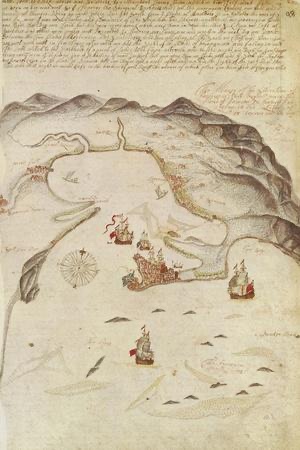
Martinique’s Morne Garnier

“Highlanders, Revolution, and Vichy Gold: The fabled story of Martinique’s Morne Garnier, from 1762-1943.”

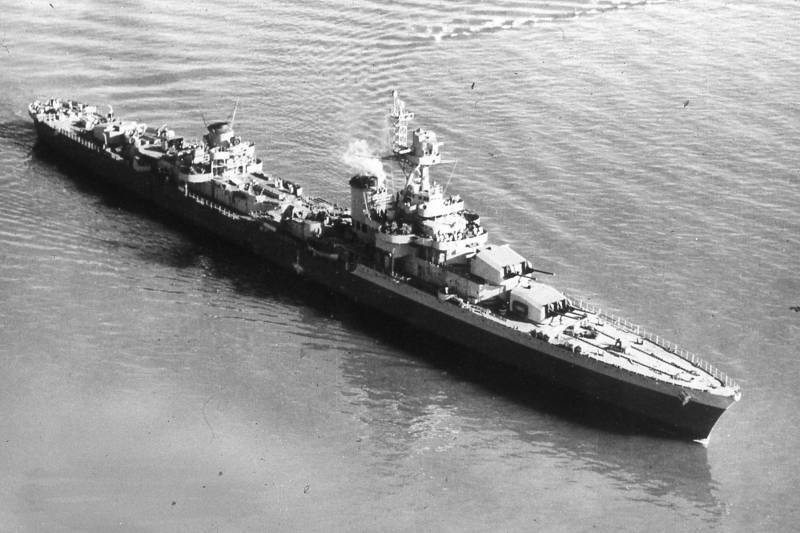
The Emile Bertin was the pride of the French Navy and this light cruiser was built for speed. During May of 1940, the cruiser was tasked with whisking more than 384 million dollars in French gold from Canada. Upon hearing of the surrender of French forces, the captain of the Emile Bertin made a beeline for the French controlled island of Martinique. Here gathered the remnant’s of French Republic’s fleet caught abroad as the Nazi armies overran France.

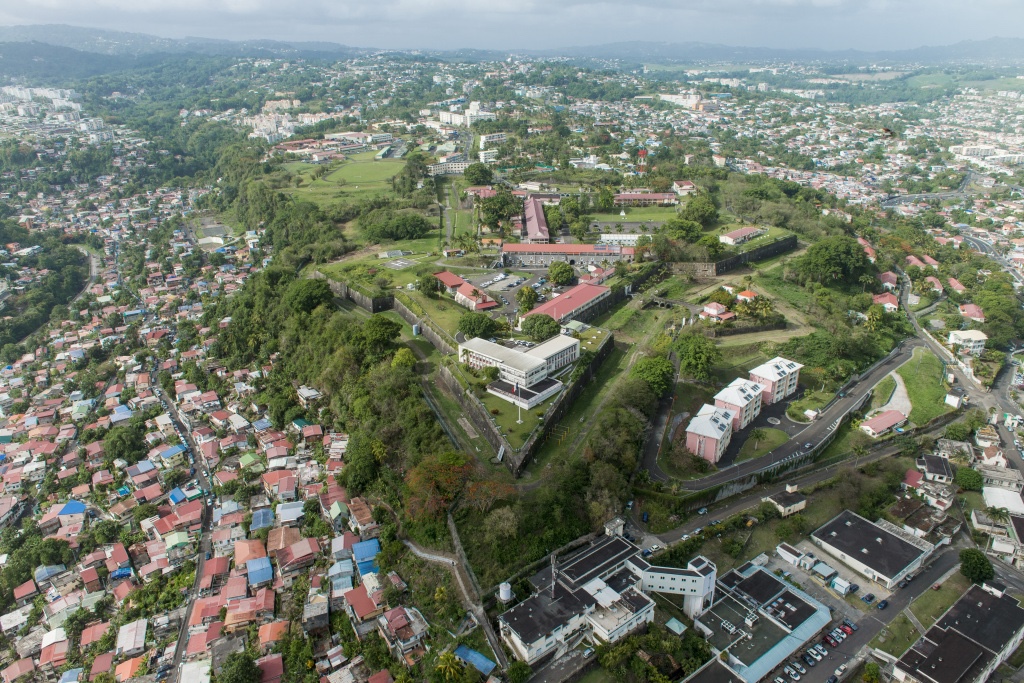
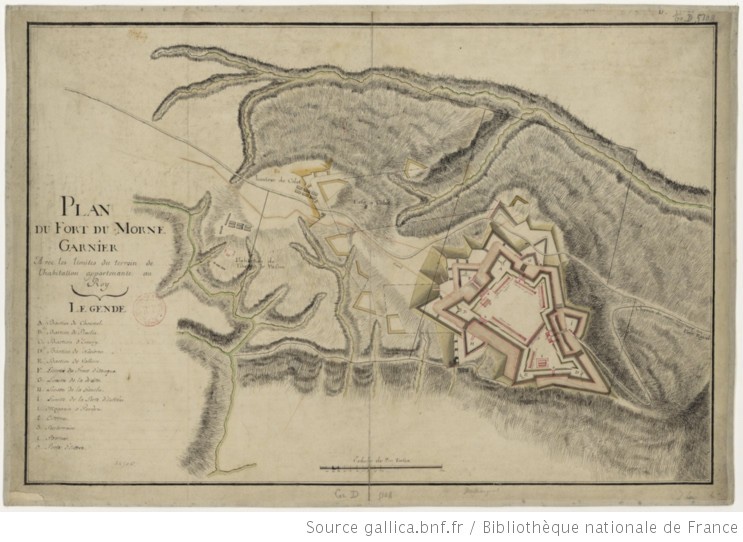
Placed under control of the Nazi allied Vichy regime, the Gold was stored in a Vauban style Fort Desaix. This strong position was located on Morne Garnier, a volcanic mount guarding the western approaches to Fort de France. The gold and naval assets eventually fell under Free French control. British and American naval forces enforced a blockade of sorts and sought the decommissioning of military assets. “Les dissidents” as the resistance on the island was known, fled across the channel to Dominica and Saint Lucia to organize against Vichy rule. In late June of 1943, the French garrison on the island rebelled against the collaborator government and were joined by local citizens. The Vichy representative was driven from the island and Martinique fell under the auspices of De Gaulle.

Originally called Fort Bourbon, this site has played a major role in the history of British and French relations, long before World War II ever intruded upon the Caribbean. The original geographic position was called Morne Garnier and it provided a stronghold against any military advance against Fort de France. In 1762, thirteen thousand veteran British troops landed to seize the island. Included amongst these were two battalions of 42nd Royal Highland Regiment, better known as the “Black Watch.” Seasoned campaigners, they helped launch a counterattack against against this formidable strongpoint. French defenders had foolishly attempted a sortie and were hotly pursued through their own fortifications. Morne Garnier was the key to the French base at Fort-de-France. Their efforts were for naught, as Martinique was retained by the French at war’s end.

By 1794, The French Revolution was raging and the British were determined to once again strangle the overseas possessions of the French Republic. After making a deal with counter-revolutionary French planters, British forces invaded Martinique. The Fort held out for several weeks against intense British bombardment until surrendering. The British retained control of Martinique until 1802, when it was return to Napoleon under the Peace of Amiens.

After changing the name to Fort Desaix in honor of Revolutionary hero Louis Desaix, the works were improved against further British attack. Mounted with over one hundred cannon, the Fort posed an exceptional obstacle to any advances from the west. More than ten thousand British forces descended up the island in 1809 and quickly set up siege of Fort Desaix, after pushing back the militia. Under heavy bombardment from both landward siege guns and the Royal Navy in the bay, the Fort surrendered after four days. Several hundred French causalities had convinced the commander that resistance was futile. The seizure of the Island eliminated French power in the Antilles and wasn’t returned to France until 1814.

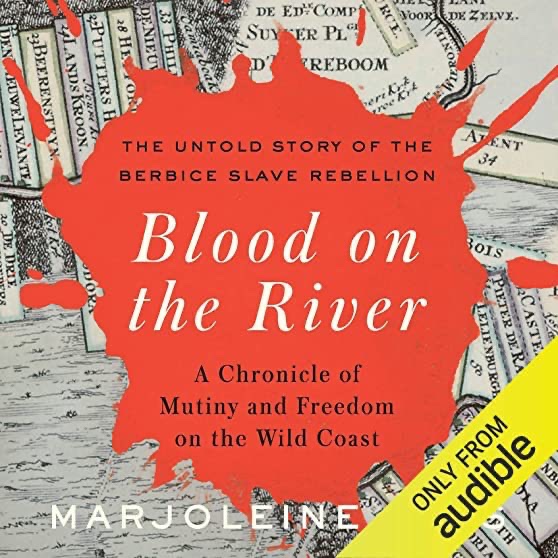
Book Review “Blood on the River: A Chronicle of Mutiny and Freedom in the Wild Coast

An absolutely phenomenal window into the Caribbean periphery during a the Seven Years War. Well researched through surviving documentation, this harrowing tale of rebellion foreshadows a greater uprising only 30 years later. Wild Coast Dutch colonies hugged tropical tidal rivers for hundreds of miles inland in prison made of Jungle, Savannah, and bands of Native allies that would return any runaways.

Recent conditions due to the Seven Years War had completely isolated the Plantations. Large scale starvation and disease caused slave drivers to work their dwindling crew harder, while lower numbers left little extra hands to farm the slave gardens. The supplemental shipping was blocked and left the colony defenseless. A stray Slave ship that arrived in 1762 and a localized rebellion, led to many enslaved to see clear weaknesses exposed in Dutch Rule.

When a general rebellion broke out the next year, creolized and recently enslaved former soldiers united to shake the colony to its very core. “Blood On the River” recounts the human side of the rebellion in both the African military roots melded to the creolized Berbice Dutch Slaves that led Plantation crews. Pure terror and brutality is to be found on the water, but also placed within the context of the recent horrendous starvation. Lawful and cultural structures in West Africa found this heinous treatment as inducing a firm response to right the balance. Many were caught in between as plantation wide connected families sought to stay neutral.

Only through Native support and backup from the local colonies, could Berbice Dutch colonists hold out until help came from Europe. A hope that the colony could be split at the height of slave power, was slowly crushed in a drawn out series of jungle small unit skirmishes. Rebel attempts to use the very method of European diplomatic exchange, sowed their eventual defeat by giving the colonial forces time to receive support. Their willingness to use the structures and protocols of colonial authority demonstrated great knowledge in governmental organization and military affairs. Lost in the greater engagements of The Seven Years War in the Caribbean and overshadowed by the Haitian Revolution, The Berbice uprising is a representative in miniature of the pressures soon to boil over throughout the Atlantic Basin.

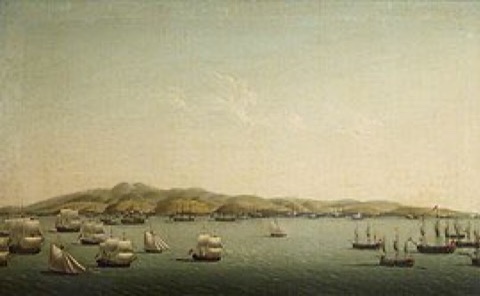
Depictions of British Operations in the French Antilles, 1759-1762

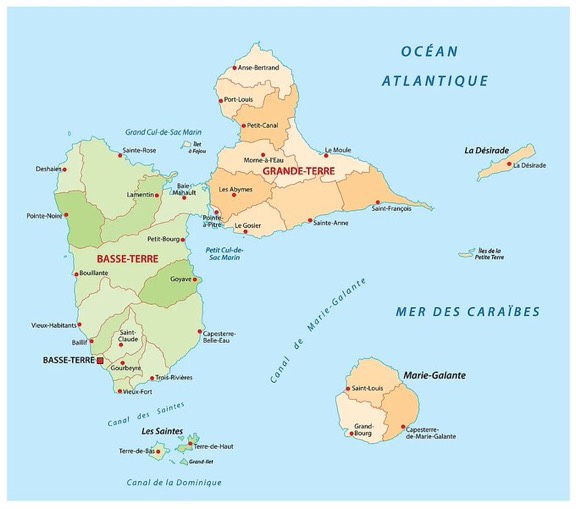
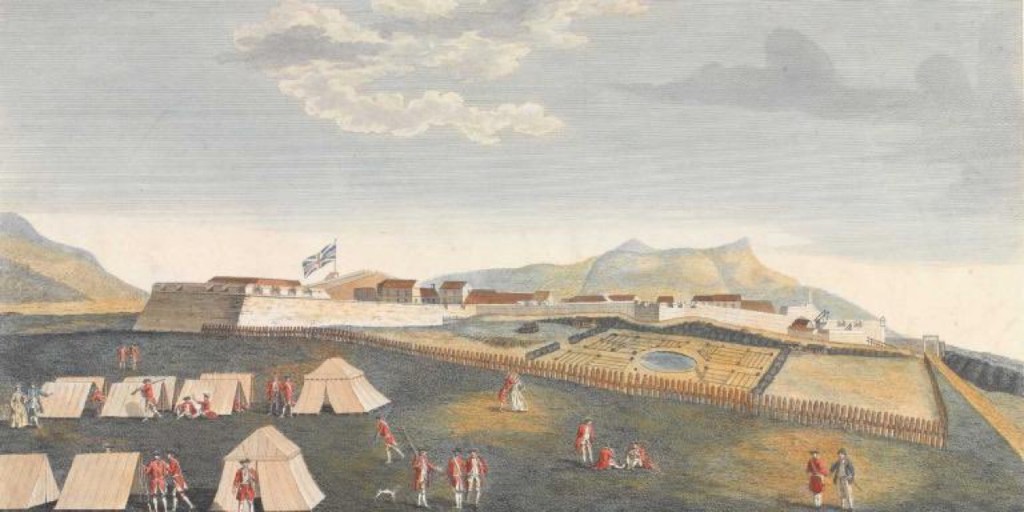
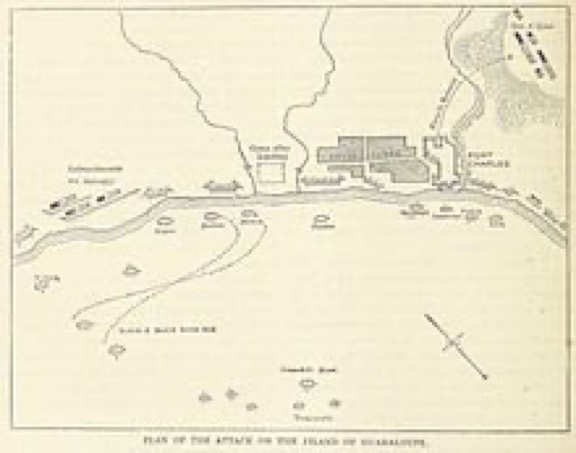
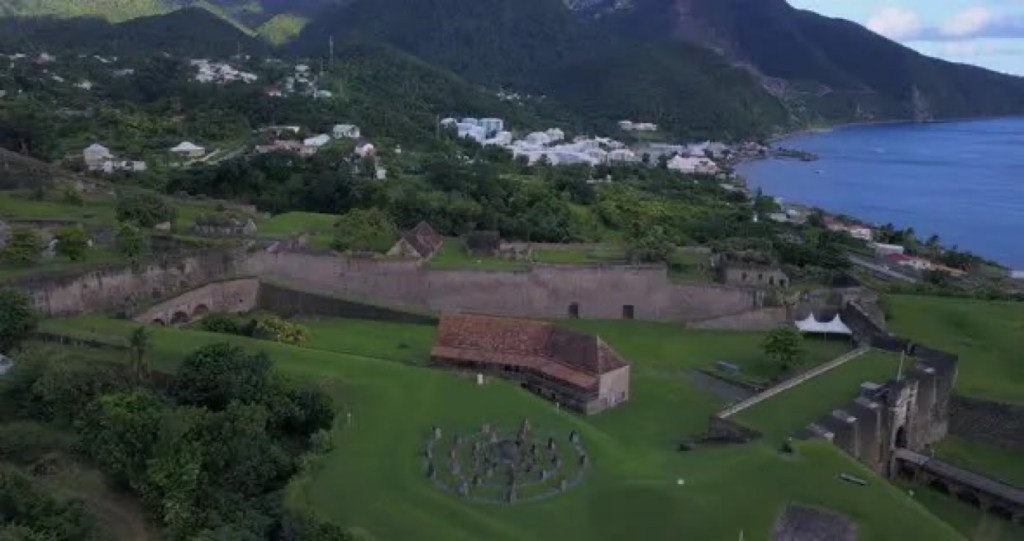
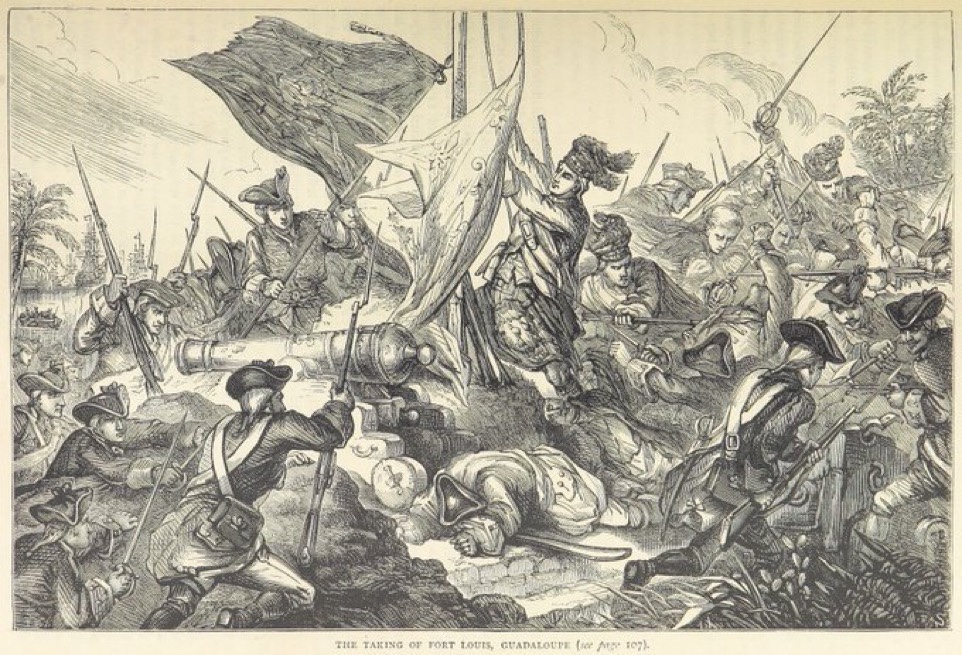
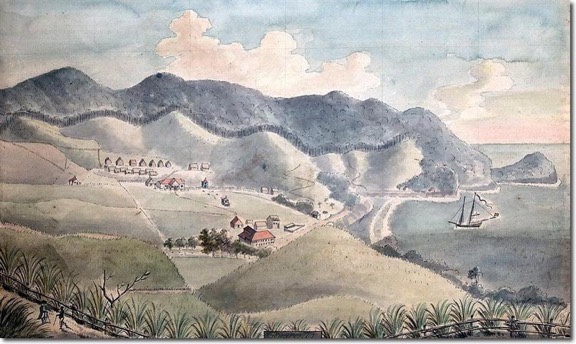
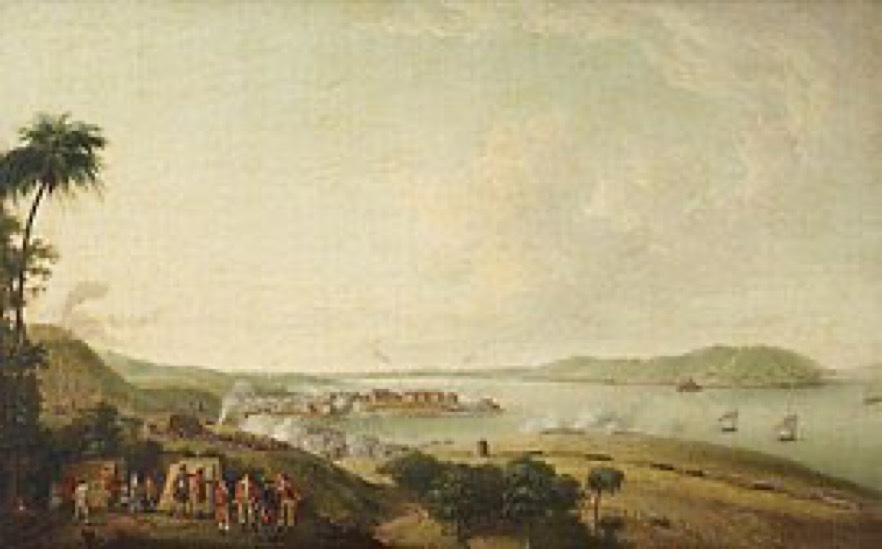
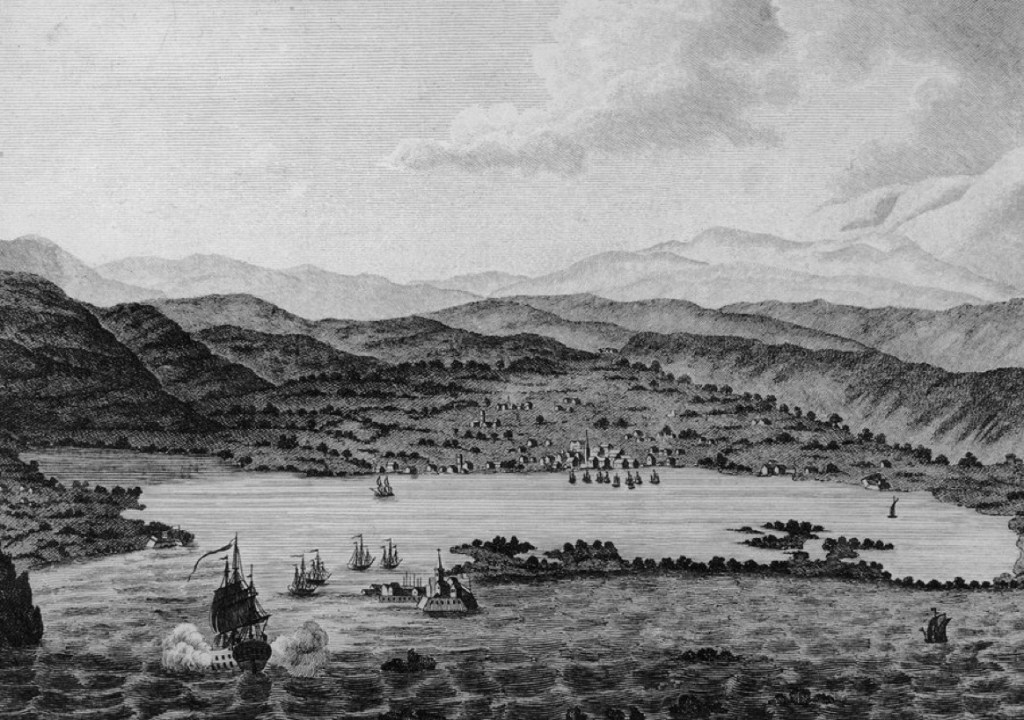
The first is a depiction of British forces outside Fort Louis on Guadeloupe. British capture of the island occurred after a failed attempt to invade the French stronghold of Martinique. Tropical fever almost reduced the British forces until naval operations allowed them to flank the defense at Fort Louis. The island was traded for Canada during the Peace of Paris in 1763.

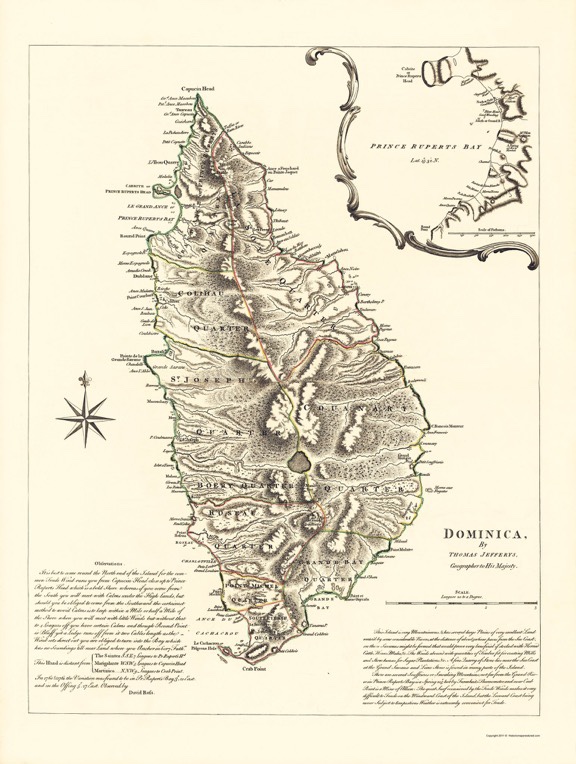
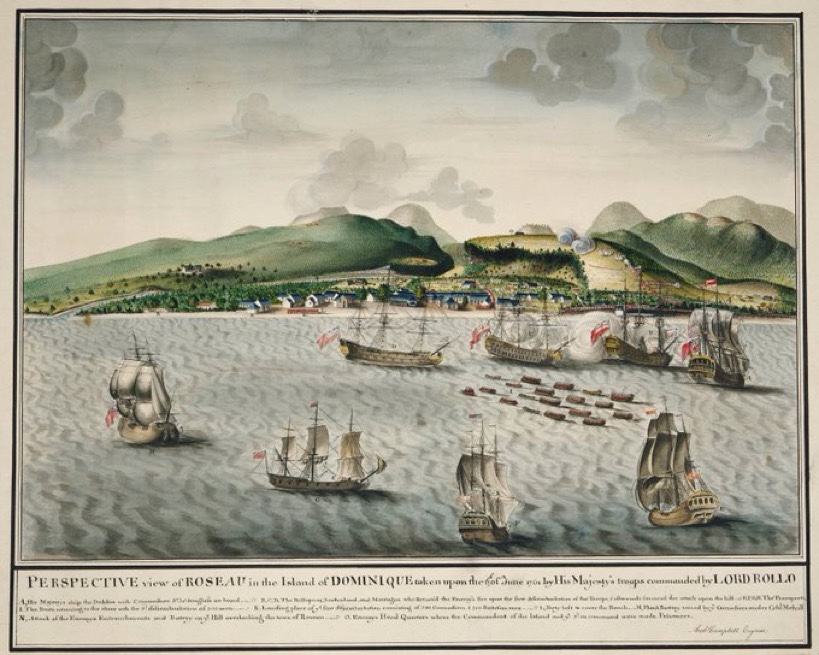
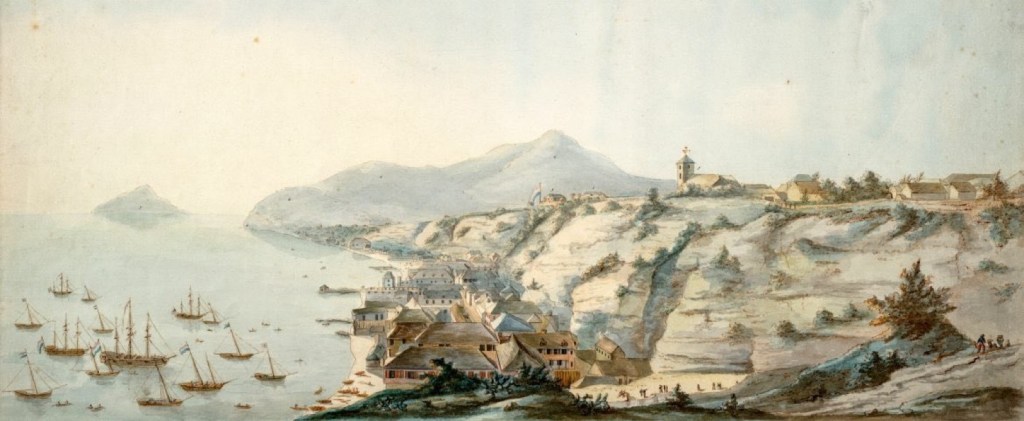
Having secured a base north of Martinique, the British sought to strike at Dominica which is the Island that lies just south of the French stronghold. In June of 1761, British forces attacked the entrenchments above the capital of Roseau. Their rapid advance took the defenders by surprise, but the British paid dearly in lives for storming the fortifications. Now the British could concentrate on reducing the main French Naval base on Martinique.

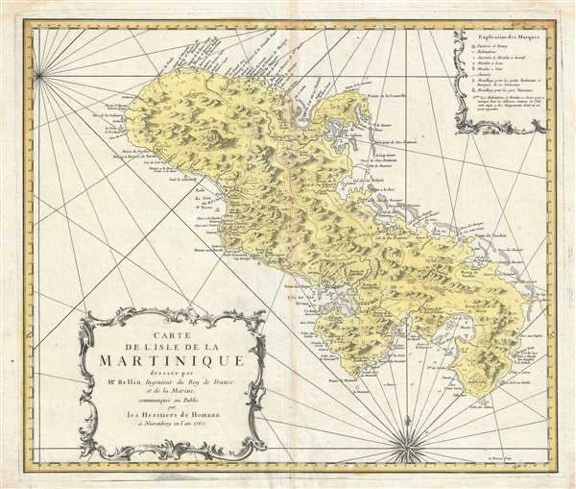
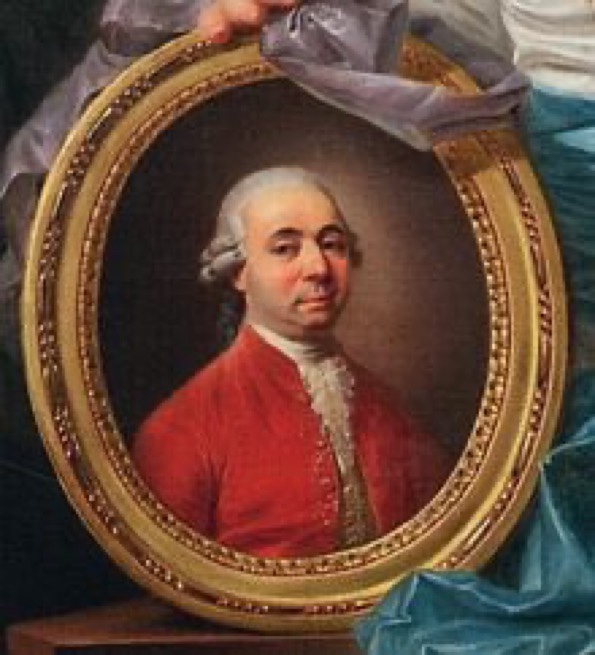
The island of Martinique was defended by a relative of Napoleon’s beau Josephine. Francois V de Beauharnais commanded the French forces ensconced in Fort Royal in January of 1762.

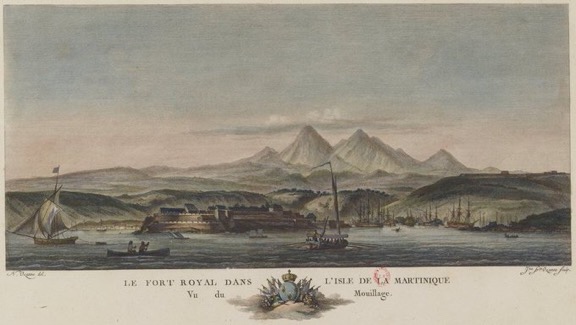
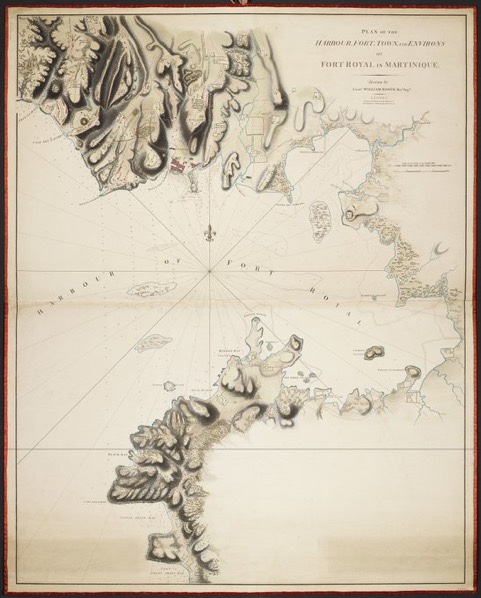
First landing on the extreme southern end of Martinique, British forces encountered tough coastal terrain as they attempted to make their way northeast toward the capital of Fort Royal. Naval operations allowed them to outflank the Fort and land at its northern headland. Careful artillery battery construction and Naval support, helped reduce persistence French resistance in the hilly terrain surrounding the Fort. Two companies of Rodgers Rangers were also involved in the operation. The capture of Martinique ended major French resistance in the southern Caribbean and was eventually returned in the Treaty of Paris in exchange for Canada.

A Tiny Nest of Pirates

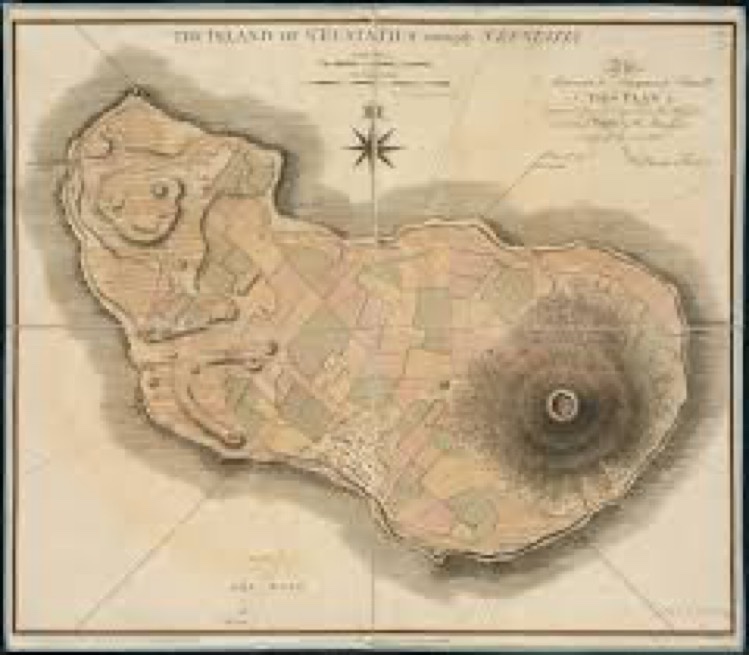
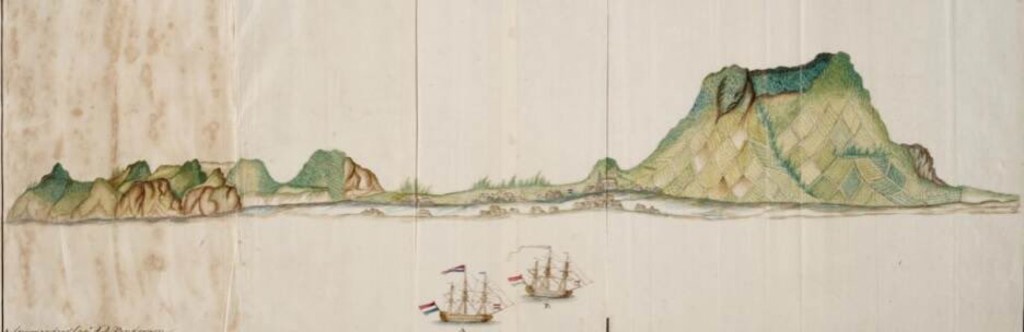
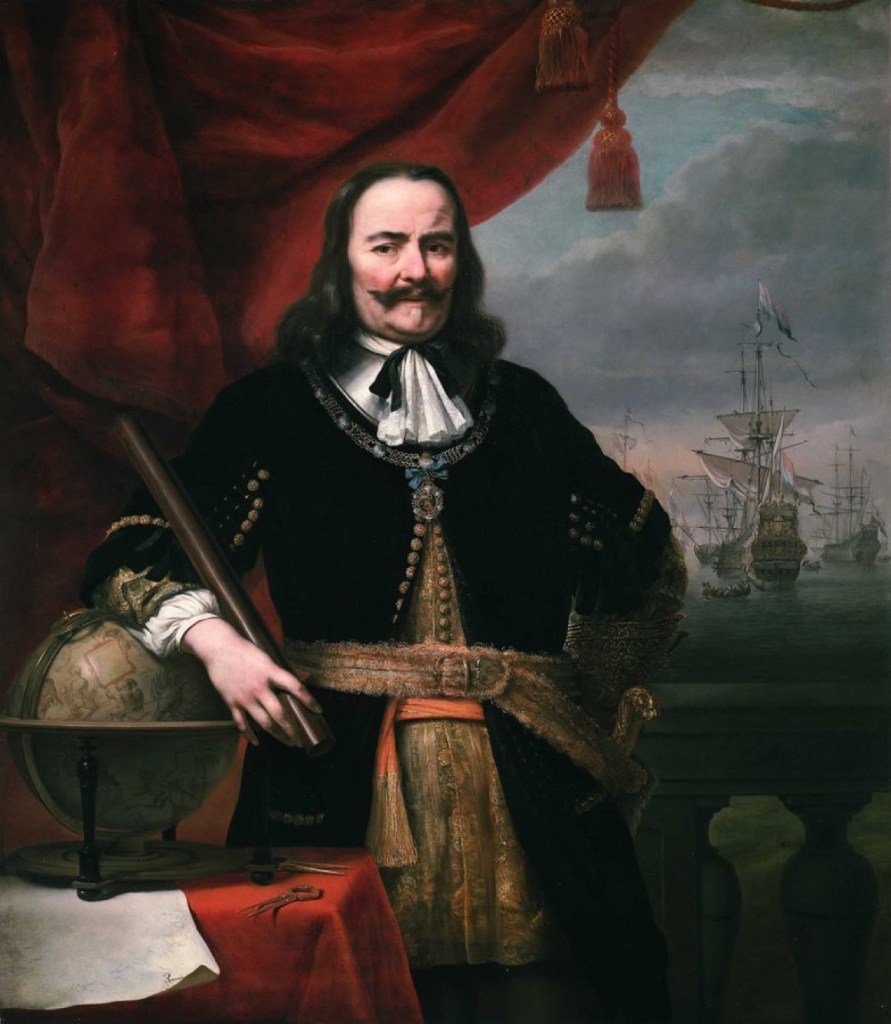
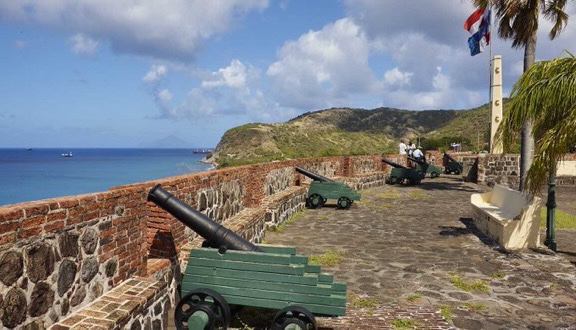
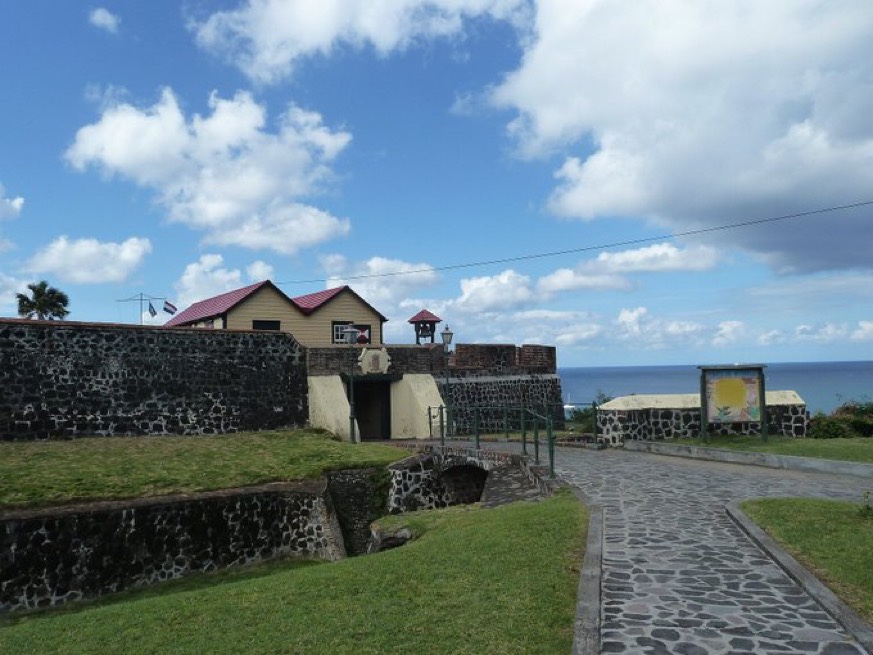
The Dutch had settled the small Caribbean Island of St. Eustatius by the early 1600s in a “see-saw” contest, that finally saw the WIC build a fort in 1638 to protect the harbor at Oranjestad. Embroiled in the Second Anglo-Dutch War by the mid 17th century, English authorities were seething from a whirl wind raid by legendary Dutch Captain De Ruyter. The Dutch Admiral had wreaked havoc among the Slave factories on the West African Coast and then attacked

English shipping at Barbados, before sailing all the way north up past Newfoundland and around the north of Scotland. He returned home to the Netherlands a hero and the British Crown needed an answer to this bold expedition. Lieutenant Colonel Edward Morgan (Uncle of Henry Morgan) was placed in charge of a British naval expedition to seize St. Eustatius and the smaller island of Saba. He left Kingston in Spring of 1665 And planned to rendezvous with more than six hundred Privateers off the coast of Cuba.

These hardened men expected to be paid when the Dutch island was captured. The small Dutch islands had tiny plantation plots and not many settlers, but they sat astride the trade routes of the Great Imperial powers. These islands became entrepôts of middle men who would resell slaves and help others avoid imperial taxation schemes by reexport methods. Morgan had several hundred men and 71 guns in nine ships, when he attacked in July.

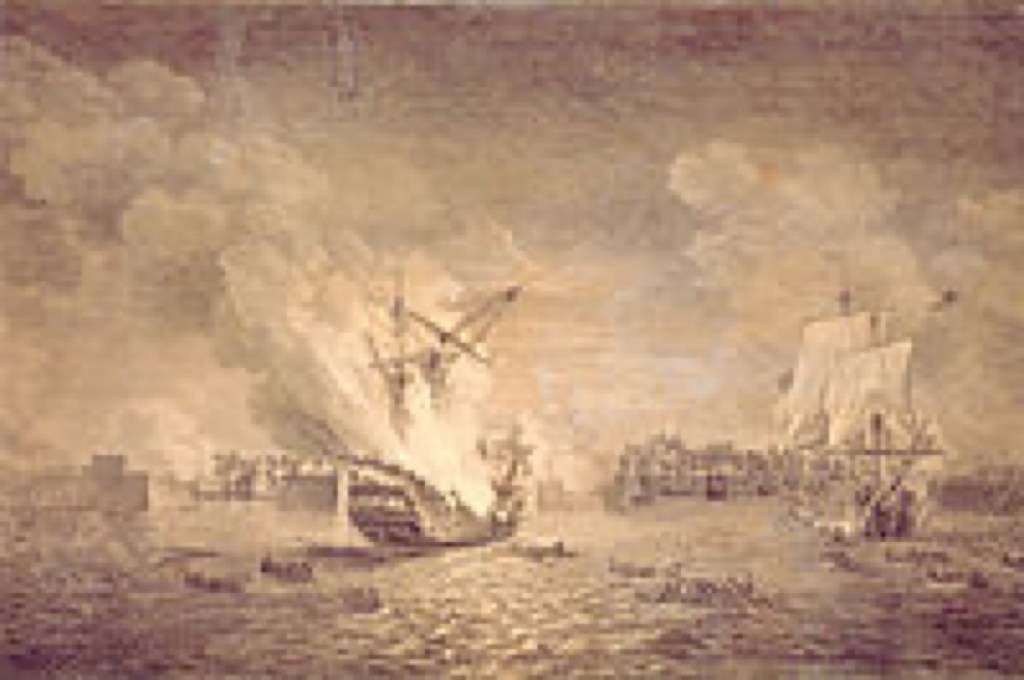
The depleted and drunken Dutch force surrendered without much of a fight, but the elderly Morgan suffered a mortal wound in his attempt to scale the heights to the fort with his men. Renaming the island “New Dunkirk,” almost 300 Dutch settlers were deported to Sint Maarten.

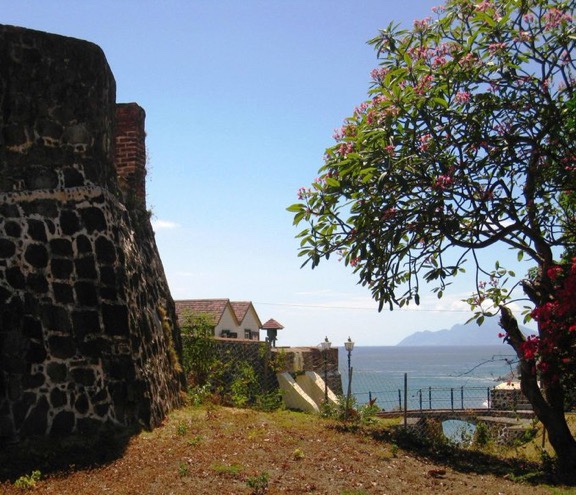
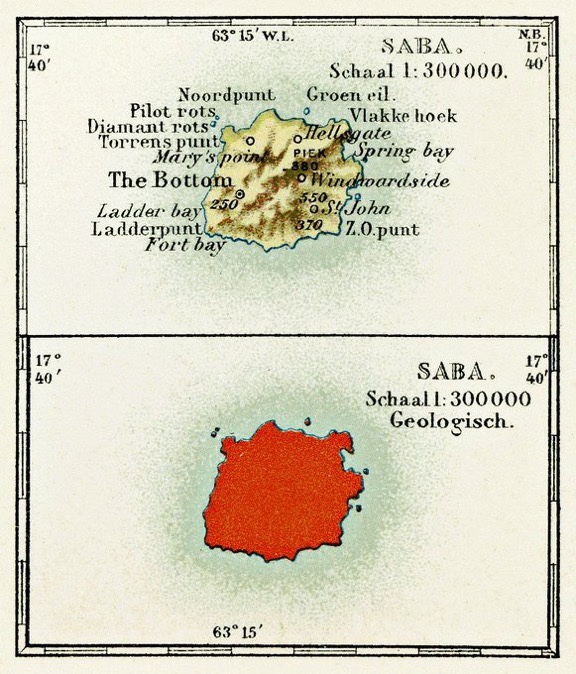
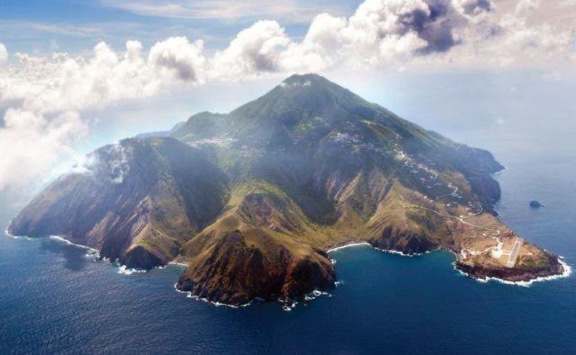
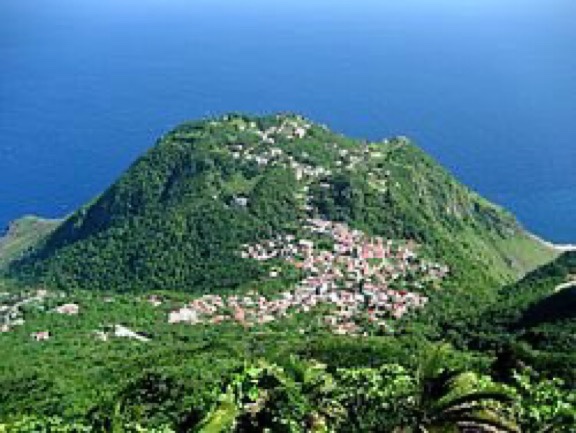
The tiny Dutch Island of Saba was targeted next and it was here that Morgan was buried. Once again the Dutch were deported, but French and Irish residents took the English oath. Hundreds of slaves were brought back to Jamaica along with military goods and sugar. The privateers hired by the English were disappointed by the withheld booty and the lacking quality of it. They could not be convinced to attack Curaçao and the English would lose St. Eustatius a year later to a combined Dutch/French partnership. The English presence on Saba continued until 1680 and the tiny island was a hotbed of piracy until its recapture.