Sail in the wake of past and book your next historically influenced Caribbean vacation today.
Author Archives: Historical Voyages: Sail in the wake of Luxury
I’m an Independent Travel Advisor with Fora Travel, focusing on historically influenced Caribbean destinations. I have been cruising and traveling to the Caribbean for almost 20 years, while pursuing an historical research career. I currently serve as a Board Member with the Friends of Philipse Manor Hall in Yonkers, NY, while previously serving as a History Department Chair in NYC.
A trio of coureur de bois made camp deep in northern forests. The youngest man of the group was apprenticed to the successful trapper leading the expedition. One night the young apprentice is startled awake late in the evening by the swift movement of his expedition’s leader. The young boy glimpsed the outline of leader slipping into the woods under the bright moonlight and moments later, he saw the outline of an enormous white wolf. As he listened carefully, the wolf crashed through the underbrush away from their camp. The night was pierced by a terrible howl and the young man is horrified to witness the wolf with a large deer carcass. He watches as the creature tears it limb from limb. After a while, the boy witnesses his expedition leader creeping back into camp stark naked and lay himself down to sleep in a bearskin rug. The young man was scared out of his mind and decided to confide in the other member of the expedition that had been sleeping. In the morning, the two trappers went out into the woods to look for the alleged monster’s previous kill. They happened upon the deer that was torn apart and the evidence convinced them to confront the expedition leader. They woke him up, but he did not confirm their worst fears. The leader told his fellow trappers that what they saw or heard was the work of a bear or a wolve pack, but the man knew he was indeed cursed. He was very aware of his ability to shape-shift into a loup-garou, but had done his best to swear off human flesh. Though afflicted, he knew in his heart he was not the malevolent type. One member swore off the engagement after the discussion and left camp, while the younger member decided to stay on. All alone after the other member left, the expedition leader asked the young man a simple question, “What would you do if you ever saw a loup -garou again?”
Famous outbreaks of supernatural occurrences are woven into the fabric of the New World . The tales are centered around the expansive nature of the dark and dense wilderness coupled to the unique cultural attributes of the colonists themselves. Folklore mixed with religious conviction, in an attempt to explain the adversarial nature of the colonial experience. Old World tales of witchcraft were exacerbated and laid bare, through the rigid religious ideology developed during the Thirty Years War. Witchcraft charges led to the deaths of thousands of Europeans in the period between the Black Death and the Reformation. These episodes strongly influenced the mindset of New World colonists and was most famously expressed in the Salem Witch Trials of 1692. While the New England colonies argued over the spectral evidence of phantom familiars, their neighbors to the north were being stalked by an entirely different paranormal entity. French colonies did suffer from alleged witchcraft, but their better known spectral oppressor was a tad bit hairer. le loup-garou was a ghoulish chimera of mixed wolf and human features. Similar to the English concept of a “Werewolf,” these beast stalked the forests of New France, supposedly brought over from the mother country on early shipping. A human by day, the beast responded to astrological changes in order to develop into a frightening creature that prowled the northern forests.
France had experienced a famous outbreak of loup -garou sightings between the years of 1764-1767, that are collectively known as the “Beast of Gevaudan.” The French Royal Court applied considerable funds and manpower to hunt down this legendary creature. 30,000 Soldiers and hunters combed the countryside in an attempt to staunch the unnatural violent occurrences. Close to 100 confirmed victims and several hundred attacks were attributed to the beast. Royal agents were able to corner and slay a monstrous wolf pair and their cub, but attacks continued. Another large wolf was also slain a year later by a local farmer as the attacks continued. Mysteriously the attacks ceased in France, but picked up across the ocean in the former colony of Quebec.
Gazette de Quebec: July 21st, 1776
We learn from Saint-Roch, near Cap Mouraska (Kamouraska) that there is a werewolf running the coast in the form of a beggar, who, with the talent to persuade what he does not know, and by promising what he cannot keep, he has to obtain what he asks for. It is said that this animal, with the help of its two hind feet, arrived in Quebec on the last 17th and that it left on the following 18th, with the intention of following its mission as far as Montreal. This beast is said to be as dangerous in its species as that which appeared last year in Gévauclan *; that is why the public is urged to beware of it like a lovely wolf.
December 11, 1767: Kamouraska, December 2. We learn that a Ware-wolfe,which has roamed through this Province for several Years, and done great Destruction in the District of Quebec [City], has caused several considerable Attacks in the month of October last. The people are armed⁹ and incensed against this Monster; and especially, the 3rd of November following, he received such a furious Blow, that it was thought the country had entirely been delivered from this fatal Animal. It soon retired to its Hole, to the great Satisfaction of the Public. But they have just learn’d, as the most surest Misfortune, that this Beast is not entirely destroyed, but begins again to show itself, more furious than ever, and makes terrible Hovock [sic] wherever he goes. – Beware then of the Wiles of this malicious Beast, and take good Care of falling into its Claws.
The beast disappeared from official public scrutiny after 1767, but the cultural imprint remains. Quebecois folklore was a syncretic variant enriched by both European Catholicism and New World Native beliefs. Natives concepts like shape-shifting and horrible syncretic creatures such as the Wendigo, lent substance to old world tales of superstition. Cultural objections to the consumption of human flesh in the form of Native American rituals, also played a large role. Whether traveling to the Americas or Africa, Europeans feared being eaten. While actual cannibalism for subsistence was very rare, widespread ritual torture and display of executed foes could be witnessed. From the Aztec to the Iroquois, captives were sacrificed and exhibited as displays of power. The same behavior can be witnessed in European practices of quartering or slow starvation of opponents in cages. The deprivation of proper burial and intimidation of other enemies was the goal. While Europeans usually treated their criminals in such manner, New World societies developed great and solemn religious ceremony for their sacrificial displays. The practice found new expression in the concept of “Scalping,” in which the participant was then paid by the overall number taken.
One last detail to take into account is the outside pressure of war, that was afflicting both France and Quebec at the time of these sightings. Might the sudden outbreak of this phenomenon be related to some sort of widespread trauma caused by conflict? Is it possible that the people of Quebec were subliminally seeking to reestablish French cultural affinity after the recent “War of Conquest?”
Interestingly enough, these tales are shared right across the wider French Atlantic World, especially in Louisiana and from the nation of Haiti. On the Island of Haiti, the “Je-rouge,” or the red-eyed werewolves stalk the population. This creature is said to be a syncretic melding of African and French beliefs. Vodou Priests are said to don animal skins and transform into vicious chimera who steal children. The Rougarou is a similar werewolf like creature, said to inhabit the environs of the great bayous of southern Louisiana. This creature is also stated to be the creation of a Voodoo spells and said to seek victims to release the curse placed upon it. Similar tales of objects placed around entrances to homes, to both confuse and prevent these creatures from entering, are told from the Caribbean to the French metropole. Just another wonderful example of the syncretic and connected nature our Atlantic world!
Creoles, Kalinagos, and Imperial British Border Policy in The 18th Century Caribbean.
The entry point of societal recognition in the French Atlantic World was the local Parish priest. Any important documents that would allow access to or movement within this colonial sphere, would require priestly signature. Official status and legal recognition was achieved upon the document being registered into the local church archives. The Seven Years War brought rapid change to the Lesser Antilles or Windward Islands. Imperial Sovereignty switched in the blink of an eye and centralizing surveys were undertaken that saw widespread monocultural sugar production as the goal. Formerly semi-autonomous maroon and fully autonomous native zones, were now given over to goverment parceled land. Thriving communities of mixed race peoples had existed outside the formerly fluid boundaries of Imperial rule, but now they were subject to both capricious and restrictive racial definition laws.
In the French Atlantic former Kalinago territory of St. Lucia, formerly free mixed race people were subjected to a stricter racial social hierarchy developed on Saint Domingue. A large and growing population of “gens de couleur” lived on the prosperous French western third of the Island of Hispanola. Close documentation requirements sought to close the “field of liberty” to free blacks, so this population was forced to endure the “psychic brutality of having to argue for one’s full humanity” according to Brett Rushford. On the eve of the American Revolution, 40,000 freed people of color lived in Haiti. As restrictive laws increased, this group sought to officially establish and document their status. By the 1780s, freed people of color made up the majority of marriages in many parishes according to Robert Taber. These racial categories became exclusively documented in the years after the 1750s and no one could escape a label on their union.
The infamous “Code Noir” was not known by that term until almost 40 years later. Proclaimed by Louis XIV in 1685, the collection of Slave codes was originally referred to as “The Edict of March 1685.” It slowly morphed into the Ordinances and finally the short hand term of “Black Codes” by 1720 in the French Antilles. Historian Brett Rushforth writes “The law grew out of a series of power struggles between the enslaved and their would be masters. These struggles, first registered in local acts designed To solve immediate human problems, expressed masters and slaves opposing interpretations is slavery and competing aspirations for life in the colonies. This reveals not only the ideals of French Masters, but also the actions of enslaved Africans and Indians whose daily assertions of their own humanity challenged the fiction of their status as property.”
I taught a large number of Garifuna students in East Harlem, but I never realized their origins are to be found in the Caribs, a l native peoples found in the Caribbean at the time of Columbus’s arrival. As outlined in Tessa Murphy’s “The Creole Archipelago,” The eastern islands of the Lesser Antilles provided native respite and then “neutral territory” on the periphery of European colonial empires. Here developed the “Creolized” syncretic societies of Dominica, St. Lucia, Grenada, and St. Vincent. The consolidation of European imperial structure after 1763 in the Caribbean and renewed fighting due to the American Revolution and Napoleonic Wars, forced creole society to squeeze into tighter imperial frameworks. British victories in the Seven Years War had greatly expanded the physical space and cultural impact of their rule in the Southern Caribbean. They would now have to contend with a French speaking and creolized society of racially diverse peoples, eager to mark out their own boundaries. They would encounter a variety of peoples and situations, where a mix of conciliation and force would be deployed in order to stabilize British rule. The British had been seen as willing to use mass deportations in Acadia as a method to subdue unruly inhabitants and the southern Caribbean would be no different.
The Battle of Roatan was fought in 1782, as part of the larger American War of Independence. The Mosquito Coast of modern day Nicaragua and Honduras, was an important source of hard woods and had been unsuccessfully settled by the Spanish. Though still claimed as part of their empire, this area was in reality contested between the Spanish and British crowns. British efforts at cementing diplomatic ties with local natives, gave them the upper hand by the 2nd half of the 18th century. The Island of Roatan occupied a strategic position supporting British claims north to the Yucatán and south to Nicaragua. British woodcutters and then pirates made Port Royal their home on the island. Almost 2,000 souls occupied the site at its high point, with Port Royal defended by two fortifications called Fort Dallings and Despard. These were situated respectively at the opening mouth of the harbor.
Spanish entry into the American War of Independence gave the Crown a chance to expel the British from the coast of Central America. The Spanish first moved against the British off the coast of modern day Belize and in the Yucatán. Many of the survivors of these attacks fled south to Roatan and the protection of the forts at Port Royal. Major preparations were undertaken by the Spanish at Trujillo, which lay directly south of the island on the Honduran coast. The flow of arms and supplies to the Americans in the north, hampered the campaign until after the American victory at Yorktown in 1781.
In March of 1782, eight hundred Spanish soldiers and three frigates sailed toward Port Royal. After refusing to surrender, Spanish warships reduced the British Forts guarding the entrance to the harbor. Barely one hundred British troops made up the garrison and these were forced to flee to the hills outside of the port. The Spanish warships continue to bombard the town and defenders in the hills. British forces were had no other choice but to surrender by nightfall on March 16th, 1782. Slaves and other supplies were plundered by the Spanish and sent along with the POWs to Havana. The Spanish would go on to sweep the British from the Nicaraguan coast as well, but these British losses would be quickly reversed after Battle of Les Saintes. Spanish gains on the Central American coast, Roatan and The Bahamas would be reversed.
In 1795 the British removed 5,000 inhabitants of St. Vincent and sent them to the island of Roatan. This remanant population of mixed African and native peoples became known as the Garifuna. Their descendents spread out along the Central American Caribbean coastline and helped the British to both resupply their shipping and harvest hardwood.
Sint Maarten or Saint Martin, is one the smallest land areas on earth that is divided between two nations. The Dutch control around 40% of the Island and the French control the other 60% of the landmass. This strange arrangement dates back to the first half of the 17th century, when both nations allied in their struggle to expel the Spanish from the island during the Eighty Years War. Though still powerful in the Greater Antilles, the lesser Antilles were sparsely settled by the Spanish. Encroachment from Barbados and the southern windward islands, focused on a Sint Maarten’s central location at the top of the leeward islands and east of Puerto Rico.
Philipsburg is the capital city and chief port of the modern Dutch half of the Island and served the role of primary colonial port in the 17th century. Fort Amsterdam was constructed in 1631 to protect Dutch claims and was the first major fortification constructed by the Netherlands in the Caribbean. It was captured by the Spanish two years later and began to rival El Morro in importance, as the fort dominated the harbor sitting on a long hilly peninsula that controlled the western opening of the bay.
The Spanish poured money into improving the fort’s defenses over the next 15 years and the site grew to rival “El Morro” in San Juan, in terms of strength. Dutch and French forces successfully banded together to drive the Spanish out by the mid 1630s, but the Spanish crown reinforced it’s presence with with thousands of troops in 1638. The construction continued in earnest from this point forward at the site of Fort Amsterdam. By 1644, Spanish forces had been stripped from the Island to other fill more important fronts and the WIC decided to launch an attempt to retake the Island.
Peter Stuyvesant of later New Amsterdam fame, was given the task of leading a strike force from the Dutch base of Curaçao. Stuyvesant had around 600 soldiers and sailors in eight war ships, when he arrived off of Philipsburg on March 20, 1644. In another sign of international cooperation, the Dutch flotilla had stopped at St. Kitts, to pick up both French and English volunteers, being a shared geographic space at a time of great global conflict as well. The Spanish defenders only maintained a contingent of around 120 soldiers, manning the significant fortifications. The siege got off to a promising start, as the Dutch were able to set up a battery on the heights overlooking the fort.
After initiating a successful bombardment, tragedy struck the expeditionary force, as a lucky Spanish cannon ball careened off the deck and the deflection shattered Peter Stuyvesant’s leg. The wound was so serious that the leg was amputated and the legendary cankerous legend of the “Peg-legged” Governor-General was born. Unfortunately the Dutch force was left without an able commander and failed to press it’s advantage. A nighttime attack was foiled several nights later and the arrival of a Spanish resupply flotilla sapped any remaining Dutch moral. By early April, the Dutch destroyed their siege lines and sailed back to their base on Curaçao. The Spanish would occupy the island for four more years until the 1648, when The Peace of Westphalia was signed. The island was vacated by the Spanish and left to both the French and Dutch to divide amongst themselves. The Treaty of Concordia was signed in the same year and this saw the island divided in it’s current form.
Stuyvesant memorial in Philipsburg
Legend has it that a single French and Dutch inhabitant were chosen to walk the islands western shore. Starting from a northern and southern position, each colonist walked toward the center of the island. At the point at which their paths crossed, a horizontal line was drawn across the island. Today one can travel freely between both sides of the island without customs duties or checkpoints.
The Island of St. Lucia sits in the southern portion of the lesser Antilles and is the second largest of the windward islands. It is twenty-seven miles long and fourteen miles wide. Large volcanic peaks rise to more than 3,000 feet and split the island down the middle forming into a dense look on the islands southwestern coast. The eastern coast is filled with high rocky cliffs battered by large wind driven waves coming off the Atlantic. This side of the island is in a rain shadow, as moisture is forced up and over the high mountainous spine and creates a verdant tropical rain forest on the western slopes. The rain has carved great valleys, where habitation and port access developed. This is especially true of the island’s northwestern coast, where the modern capital of Castries lies today.
Saint Lucia traditionally formed the outer defenses of French strongholds of Martinique and Dominica. It’s possession also helped the French project power south through Grenada. The British had taken Dominica in the previous conflict known as The Seven Years War. This new British possession was now surrounded by the two French islands of Martinique and Saint Lucia, with British possessions to the North and South. British held Dominica also severed lines of communication between Martinique and Guadeloupe.
After word of the American Alliance had reached the French Caribbean in August of 1778, preparations were immediately put into place to seize Dominica. Dominica’s population still spoke French and significant part of the militia were made up of Gens de couleur or free men of color. French agents quickly convinced the militia to refuse muster when called and sent about saboteurs to damage the fortifications around the capital of Roseau. The British authorities were not yet informed of the French alliance and had kept their fleet at Barbados.
Landing several thousand men on September 7th, the ill prepared British garrison was abandoned by their militia and had the gates of the local fortress unlocked by French agents. French forces quickly closed in on the capital of Roseau and occupied the heights surrounding the town. Roseau sits in a steep ravine at the mouth of one of the only accessible inland routes into the mountainous interior. The British position in Roseau was hopeless and naval support failed to materialize.
The Island fell into French hands and communication had been established once again throughout the French Antilles. The loss of the Island was blamed squarely on lack of naval support and the British quickly made plans to strike at St. Lucia. Veterans hardened by war in America were sent south throughout the fall and the fleet was made ready at Barbados. A successful attack on St. Lucia would place the British in position to strike at the heart of French power emanating from Fort de France on Martinique.
The British set sail from Barbados in early December and aimed their invasion fleet toward Saint Lucia, with 5,000 soldiers under Admiral Barrington. Disembarking in the Cul de Sac south of Castries, over 2,000 British troops swept north and secured Morne Fortune and Carenage Bay. French forces retreated into the dense jungle surrounding the capital region and awaited reinforcements. A large French Fleet under Admiral D’Estaing arrived the next day and British naval forces would have been lying in wait, had it not been for a storm on route from the American coast that slightly delayed their departure.
The French forces numbered twelve ships of the line and had 9,000 troops while the British fleet contained seven ships of the line and around 5,000 troops (Half had been disembarked during the initial invasion). Instead of pressing their advantage right away, the French dithered until the next morning. British forces used the evening to safely anchor their transports in The Cul de Sac and array their fleet in an arch protecting the mouth of the bay. Batteries had been erected at the headlands of both the Cul de Sac and Carenage Bay to the north.
The French tried to force Carenage Bay and the capital of Castries, but were repulsed by strong British fortifications on the headlands protecting the mouth of the bay. The fleet sailed south to attack the British transports anchored in the Cul de Sac, but failed to bring the full strength of their numbers to concentrate on any single part of the British defensive line of ships. Their attack petered out and the French fleet regrouped for a second attack at full strength, with all twelve French ships of the line being thrown at the northern end of the British anchorage. Here the British had placed their heaviest warships and were closely supported by strong shore batteries. The French numbers were negated by the small geographic space and placed under heavy fire by guns from the shore based fortifications.
Unable to make headway, the French fleet slipped away to the north over night and disembarked over 7,000 troops in Gros Islet bay (Rodney Bay). Marching south against the fortified headlands protecting Carenage Bay and Castries, the French faced formidable entrenchments on the Vigie pennisula (Pictured below). Manning the entrenchments were 1,500 experienced British veterans of the American Revolution, but they were heavily outnumbered by the French forces assaulting their positions. Largely recent recruits and Antilles militia, French forces faltered under constant volleys of small arms and grapeshot. After three valiant charges, 400 French lay dead and 1,100 were wounded compared to twenty-five dead British soldiers. The invasion force was pushed back to their ships and the fleet retreated to the safety of Martinique. The French forces still in the jungle surrendered to the British the next day, upon word of incoming British relief fleet. The Island became a jumping off point for the larger British victory at Les Saintes in 1782, but was returned to the French in 1784 after the war ended.
I’ve stood staring out into the Atlantic from the Sentry post named “Garita del Diablo” or the Devil’s Sentry Box, located below the imposing “San Cristobal” fortress, east of the mouth of San Juan Harbor. A lonely but important post, this box was built to give forewarning of shipborne assaults or landings to the east of the city. In 1598 and 1625, foreign attacks would repeatedly devastate the city by enemy landings coming from that direction. The capital of the Island of Puerto Rico was a repeated target of foreign invasion due to the Eighty Years War between the Dutch and Spanish. This large religious conflict also drew in the English, who targeted Spanish possession in the Caribbean at the end of the 16th century.
San Juan is situated on a neck of land, separated from the island by the Bayamon River and across an inlet via the San Antonio Bridge. La Fortaleza was constructed in 1540, as the first bastion to the protect the harbor, but was poorly situated being located inside the mouth of the harbor.
Starting construction in 1589, the Spanish redeveloped the promontory jutting out in the harbor mouth into The Castillo San Felipe del Morro. The fortifications were shown to be vulnerable in 1598, when an attack from the land-ward side easily conquered the Fortaleza, as English forces were able to seize control of the bridge and target San Juan’s weaker landward side defenses. With Fortaleza seized, El Morro’s weaker initial design caused it to fall as well. Isolated bastions like these were cutoff and seized, opening the Fortress to assault or siege. English forces were decimated by disease and could not maintain a long occupation, the Spanish could wait them out inland. El Morro was redesigned to bring the bastions guarding the landward side into the Fortress proper.
This would serve them well when the Dutch arrived in 1625. Fought as part of the Dutch Wars of Independence from Spain, the Dutch sought to wrest the Caribbean littoral from their former masters. Boudewijn Hendricksz led seventeen Dutch ships and eight hundred soldiers against the undermanned Spanish fortifications and against whom could be mustered little more than 300 defenders. The Dutch opted for a fast sail straight under the fortifications of El Morro and were able to safely reach the inner harbor with little losses. Capturing El Canuelo on Goat Island in the Harbor, across the mouth from El Morro and seizing the San Antonio Bridge, the Dutch cut-off the 330 Spanish defenders. Giving up La Fortaleza, the Spanish retreated to El Morro to await a siege.
Starting on September 26th, the Dutch bombarded the fort for twenty-one days, as they dug siege trenches right up to the walls of El Morro. Spanish forces used local militia collected from inland, to seize control of the Bayamon River and Fort Canuelo. This development allowed them to resupply El Morro and bought time for further reinforcements to seize the San Antonio Bridge. The Dutch were being pinched from both sides of San Juan as they could neither break through to El Morro nor secure the San Antonio Bridge forever against assault. On October 22, the expected enveloping assault occurred as the Spanish Militia charged over San Antonio Bridge and Royal forces sortied from El Morro. The Dutch burned over 100 buildings in the city and disembarked on their ships. Landward defenses in the shape of Fortín de San Gerónimo de Boquerón and Castillo de San Cristobal would be constructed a century later. The first fortifying the San Antonio Bridge and the second creating a massive fort to anchor San Juan which was now walled to protect attack from the land-ward side.
The expulsion of French settlers from the Acadian region of modern day Canada by British officials beginning in 1755 has been studied extensively by historians over the last two hundred years. Historians have been trying to discover what nation was truly responsible for the forced deportation of thousands of civilians. Francis Parkman, a famous 19th century American historian, laid the blame solely on the French royal government that controlled the province, for creating the conditions that necessitated the French settlers’ expulsion by the British. Parkman’s book was published in 1884 and his thesis was considered standard until late in the 20th century when modern historians began to criticize his views. These modern historians have begun not only shifting the blame for the expulsion to the British, but also describing the event as an act of ethnic cleansing.
The Acadians lived in the region south of the Gulf of St. Lawrence, which consists of the modern day Canadian provinces Nova Scotia, Prince Edward Island, New Brunswick, and the north extremities of the U.S. state of Maine. Acadia was part of the larger French Royal colony of New France centered in the St. Lawrence River valley with its capital of Quebec City. The French colonization of Acadia started on May 13, 1606. A vessel by the name of The Jonas embarked from the French port of La Rochelle and carried forty men ashore to form a fishing colony later to be named Port Royal. The settlers encountered native tribes and soon the men began to intermarry amongst them. A mixed population of people was firmly established and provided a link between the two communities. The Acadian people developed a distinct style of farming in which they used series of dikes to drain the salt marshes that lined the coast of the region. By doing this, the French settlers made the land quite fertile and productive.
Since the region boasted excellent fishing grounds, good harbors to export fur, and fertile farm lands, English forces seized Acadia in 1654. They captured the colonial leader who sold them baronial title to legitimize their conquest. The English offered to transport the population back to France, but most chose to stay in Acadia and take an oath of allegiance to the British Crown. The province remained under English control for sixteen years, reverting to French control in 1670. The region was unstable and suffered from a series of British raids and settler reprisals lasting for the next thirty years.
The English authorities were determined to pacify Port Royal and end the French presence that threatened their northern borders. In 1709, a merchant man from New England named Samuel Vetch developed a plan to capture Port Royal and forcibly remove the settlers to the French Island Of Martinique. This plan applied to all of Acadia, but the British authorities decided on a scaled down version in which they would capture Port Royal and disperse the settlements around the fort. The War of Spanish Succession gave the British the chance to carry out their plan and in October of 1710, they captured Port Royal. French soldiers and government officials were transported back to France. Settlers in the district surrounding the fort were given assurances of their safety, but the French communities inland were not under British control. The War of Spanish Succession ended in 1713 and the French were forced to cede Acadia or what is now known as modern day Nova Scotia to the British. The French retained control of the Channel Islands and most importantly, Cape Breton. The Treaty of Utrecht, which ended the war, did not firmly establish a border between the English and French holdings in the region. The French planned a large Fortified Town on Cape Breton called Louisbourg and called for the French settlers under English control to move into French territory. In response to this, the English forced the French inhabitants to sign oaths to the British Crown that required them to serve in the British army. The War of Austrian Succession saw the English capture Louisbourg in 1745, only to cede it back to France in the peace treaty to end the war. Both sides fortified the isthmus that separated Acadia from the mainland of Canada and the English established the Port of Halifax in 1749.
The French and Indian War began in 1754 between England and France as a response to border disputes in the Ohio River Valley. The war would mark the first time that fighting in the colonies spread to Europe. In 1755, the British drove the French from the isthmus separating Acadia from the mainland and sought to pacify the interior of Acadia itself. The British met with representatives of the Acadian communities and demanded that the people sign an unconditional oath of loyalty to the British Crown, which required them to serve in the British army against the French. When they refused to sign, the representatives were arrested and jailed. The British decided to formulate a plan to deport the population of French settlers from Acadia. All adult French males were rounded up from the interior villages and taken to the coast to await deportation. The women and children were forced to follow the men because every village was destroyed and its crops burnt once it was cleared by the British. Perhaps over 7,000 people were deported and dispensed throughout British colonial holdings. When the British captured and destroyed Louisbourg in 1758, more than 5,000 additional people were deported to France, along with the entire French Garrison, who had not received the honors of war after their surrender. Many Acadians ended up in the Spanish colony of Louisiana. Acadians were encouraged by the Spanish government to settle in the region as a barrier against French encroachment. The Acadians were able to melt away in the Bayou and create small self sufficient communities. They adapted their Acadian customs to their new surroundings and created the Cajun culture that still is in existence today.
Francis Parkman was one of the earliest historians to discuss the Acadian expulsion. Montcalm And Wolfe: The French and Indian War was published in 1884 and touches on the issue of the Acadians plight within the sweeping narrative of the French and Indian War. Francis Parkman is one of the most highly regarded nineteenth century American historians. Parkman was born in 1823 to a wealthy family in Boston. He studied at Harvard University and graduated in 1843. He traveled extensively through European capitals as a youth, but he was shaped more by his exploration of almost the entire length of the Oregon trail when he returned from Europe in 1845. He became extremely interested in the history of North America and decided to devote his life to writing on the subject. Francis Parkman died in 1893 and was elected to the Hall of Fame for Great Americans in 1915.
Francis Parkman’s thesis on the reasons behind the Acadian expulsion is “The agents of the French court, civil, military, and ecclesiastical, had made some act of force a necessity.” Francis argues that the French government constantly agitated the populace of Acadia to revolt. Le Loutre, a catholic missionary priest along with his Indians, was acting as an agent of the French King by threatening and cajoling the Acadian people. The French settlers were told “Fidelity to King Louis was inseparable from fidelity to God, and that to swear allegiance to the British Crown was eternal perdition.” The French treated the Acadians as “mere tools of policy. To be used, broken, and flung away.” The French government cheated the Acadians of out of large sums of money through corrupt agents. The Treaty of Utrecht, which he describes as “By the new-fangled construction of the treaty, which the French boundary commissioners had devised, more than half the Acadian peninsula, including nearly all the cultivated land and nearly all the population of French descent, was claimed as belonging to France, though England had held possession of it more than forty years.” Since the treaty claimed France as the rightful owner of much of Acadia, it would be lawful for France to seize it by force. Parkman says the treaty coupled with the fact that “honor demanded of her (France), having incited the Acadians to disaffection, she should intervene to save them from the consequences.” France’s chances of successfully seizing Acadia were good because at anytime more troops could be sent from Louisbourg or Quebec coupled with four thousand militia and Indian fighters. The English, according to Parkman, could not withstand a direct attack because they had little troops and they were scattered far and wide. British officers feared a large French squadron of ships would appear anytime in the Bay of Fundy and this would cause the entire population to revolt against the British. Parkman says the immediate military threat that was caused by the French side had forced the British to make the drastic decision to deport the Acadians. The Acadians were to be given one last chance to declare themselves loyal to the British and not stay in the neutral zone that previous oaths had allowed them to do. The oath that was offered to them required that the Acadians serve in the British army against the French. Deputies representing nine-tenths of the population of Acadia were called before the British governments in Halifax .They were told that the time was short because the French were at hand and could attack any moment. They must either pledge their full loyalty to England or be sent away. They refused the oath and the deportation was then started. He writes “Whatever judgment may be passed on the cruel measure of the wholesale expatriation, it was not put in execution till every resource of patience and persuasion had been tried in vain.” The British were disappointed because they hoped to substitute loyal English subjects in the place of the French. The Massachusetts soldiers that were offered the land choose not to stay in Acadia, but instead went home. This is proof according to Parkman that “this goes far to show that a longing to become their heirs had, as has been alleged, any considerable part in the motives for their removal.” He is referring to the New England soldiers coveting the land of the Acadians and wishing to steal it from them by force. More than six thousand men, women, and children were exiled in 1755. Many Parkman says, remained behind and continued guerilla warfare against the English. The final destination for most was Louisiana were they prospered, while others fled to the Channel Islands and Quebec. Francis Parkman ends his history of the expulsion by saying “The government of Louis XV began with making the Acadians its tools, and ended with making them its victims.”
Nathaniel Hawthorne wrote a book titled, The Whole History of Grandfathers Chair: True Stories from New England History, 1620-1808 in 1840. Though he was a famous author, he is not known as a famous historian. The book is told from the viewpoint of Hawthorne who is represented by a Grandfather lecturing his grandchildren on the history of New England. What the book lacks in scholarly style, it makes up for the shortcoming by giving a culturally accurate opinion on the Acadian expulsion from the New England region in the 19th century. Hawthorne writes, “At the peace of 1748 Acadia had been ceded to England. But the French still claimed a large portion of it, and built forts for its defense. In 1755, these forts were taken, and the whole of Acadia was conquered by three thousand men from Massachusetts, under the command of General Winslow. The inhabitants were accused of supplying the French with provisions, and of doing other things that violated their neutrality. “These accusations were probably true,” observed Grandfather.” He clearly is expressing the same views of the French being at fault, which Parkman later pointed out in his novel. His reference to the Acadians violating their neutrality is referring to the fact that they were violating their oaths to the English, which Parkman also cites as a reason for the expulsion. Hawthorne clearly says the Acadians were not staying neutral and taking sides when he writes “for the Acadians were descended from the French, and had the same friendly feelings towards them that the people of Massachusetts had for the English.” He is expressing the same sense of inevitability that the Acadians would rise up and support the French Military as Parkman would later. Hawthorne ends his account by saying that the English were not harsh in their treatment of the Acadians and that the expulsion was a necessary act of war. He writes, “In the removal of the Acadians, the troops were guilty of no cruelty or outrage, except what was inseparable from the measure.” Hawthorne gives the same account in terms of the number of people removed at around 7,000 Acadians.
While Francis Parkman’s work on the topic had been considered the standard, by the late 20th century historians views had changed dramatically. In Empire of Fortune: Crowns, colonies, and tribes in the Seven years War in America by Francis Jennings, the reasons behind the Acadian expulsion had switched sides with blame falling upon the British. Jennings says that due to “The expanding energies of New England” coupled with Nova Scotia’s Lieutenant governor Charles Lawrence determination to end guerilla warfare through military conquest led to the deportation. Lawrence and his council determined the Acadians had no right to their land until they took a full oath to the British Crown. To make the opinion official, the chief Justice of British Nova Scotia was made to issue a ruling to this affect. Jennings says that the decision to deport the Acadians was made by Governor Lawrence’s council “men who were either New Englanders or who, without exception, had been saturated with that policy (of New England’s expansion) for years.” Lawrence had been given orders by the British Crown to “prevent the Acadians from going over to the French” but no outright explicit order to deport them. Between the council and lieutenant governor, it was decided that the best way to do this was to deport the population. After the expulsion, the council even congratulated Lawrence and promoted him to full governor. Since the Acadians refused to take the oath demanded by the British, they were no longer entitled to their lands. With no lands, they could be deported without a problem. Concerning the deportation, he writes “All in all, some six or seven thousand persons were exiled during the last four months of 1755-one of the largest mass migrations or the era. Other exiles followed.” The British lost many potential workers and at much cost to their treasury. Jennings says, “The British destroyed their homes and all the improvements so laboriously made upon their lands.” The British did indeed settle Acadia with New England settlers in 1760. Unlike Parkman who says the New England men left because they did not want to settle there, Jennings notes that the settlement was delayed by the destruction of the dikes that held back the salt water. The ocean washed over the lands and the British had to eventually summon some of the same Acadians that they had deported, back to fix the problem. The Acadians deportation was paid for mainly through the Acadians own confiscated property and they were not sent to Britain out of fear that much outrage would be expressed by British ministers having to provide funds for their care. The deportees were sent to the thirteen colonies to the amazement of Governors in New York and throughout the south. They were not aware of the deportation or the plans to send the French settlers to their colonies. On the other hand, New England’s colonial governments “had advance notice.”
Frank W. Brecher was a former member of the U.S. Senior Foreign Service and Fellow at Princeton’s University’s Woodrow Wilson School of Public and International Affairs. In Frank Brecher’s Losing A Continent: France’s North American Policy, 1753-1763 written in 1998, builds upon earlier works by expanding the scope of the expulsion. Brecher expands the period of the expulsion from 1755-1758. “The English followed up this 1755 deportation by additional ones of French Acadians from their traditional homelands, and places of wartime refuge, elsewhere in the region: Ile royal, Ile St.Jean, the mainland coastal area along and north of the Bay of Fundy.” Brecher states this second round of deportations occurred in 1758 when the English captured the French fortress town of Louisbourg and this gave them control of the Channel Islands of Cape Breton and St.Jean. More than 5,000 Acadians were deported in 1758 and ironically the most were legitimate French royal subjects living on recognized French land. If one puts this number together with Brecher’s stated number of people deported in 1755 which is around 9,000, then the number of Acadians expelled forcibly from the region stands around 15,000. The author clearly blames English authorities and London itself when he writes “the level of authority behind the action was demonstrated when London itself finally sanctioned this long-standing proposal by Lawrence, and, after English victories later in the war followed up the 1755 deportation by additional ones of French Acadians.” Brecher is stating that London approved of the deportations because it let the second wave of deportations be carried out. Brecher gives the British government in London the benefit of the doubt for the first deportation in 1755, but by their approval of the events in 1758, their guilt is clear. He writes “If one could give the benefit of the doubt to the government of England regarding responsibility for the 1755 deportation, which it had approved only hesitantly and nearly after the fact, this benefit cannot be extended to those of 1758 and later, when the Acadians were forced to leave the region clearly as a result of formal government policy and despite the absence of security concerns.” Brecher says that there was never any serious military threat that could be mounted by France because they could neither muster the naval nor land forces to invade Acadia. Most importantly Brecher refers to the entire event as “the language of the 1990’s, an act of “ethnic cleansing.”
William Nestor’s book The Great Frontier War: Britain, France and the Imperial Struggle for North America, 1607-1755 written in 2000, support Brecher’s claims on the expulsion. Nester is a Professor in the Department of Government and Politics at St.John’s University in New York City. Nestor agrees with Brecher figures and he writes “Between 1755 and 1762, 11,000 to 15,000 Acadians were expelled.” Nestor expands on Brecher’s timeline by extending the period of deportation to 1762. Nestor too clearly blames the British authorities and more specifically Governor Lawrence. “On July 18,1755, he(Lawrence) expressed to the Board of trade his determination “to bring the inhabitants to compliance, or rid the province of such perfidious subjects.” The legality of the decision was upheld when the Nova Scotia chief justice rendered an opinion on the question of loyalty and property. “The Justice ruled that no Acadian had a right to the land he tilled unless he unconditionally declares himself a British subject.” Nestor states Lawrence would not allow the Acadians to flee to Canada or other French territories for the fear they would simply aid France’s military efforts. This of course has been proven to be a falsehood because the Acadians who did flee in 1755 fled to the other territories but gave no extra help in 1758 when the British seized Louisbourg. Military necessity is again proven false as a valid reason for the Acadian expulsion.
The next historian to review the issue of the Acadians was Fred Anderson. Anderson taught at Harvard and currently is a professor of history at the University of Colorado. He wrote a book entitled Crucible Of War: The Seven Years War And The Fate Of Empire In British North America, 1754-1760. Anderson writes his book in 2000 and follows up Brecher by writing “The entire scheme, so chilly reminiscent of modern “ethnic cleansing,” operations, was executed with a coldness and calculation- and indeed an efficiency-rarely seen in other wartime operations.” Anderson feels that the event is of such magnitude that it deserves to be described in this manner. Anderson says that with the conquest of Acadia the New England troops had only one task remaining “to disarm, detain, and deport the indigenous Acadians. This extraordinary move perhaps the first time in modern history a civilian population was forcibly removed as a security risk.” This is quite a different tone used to describe the event and it even goes beyond Brecher’s statements. Anderson is saying this is the first time in modern history that a deportation of a people for military reasons has occurred. It really leaves the English side seeking firm reasons to justify their actions. Anderson truly singles out Massachusetts governor William Shirely as the architect of the deportation. He said Shirely had practical reasons for promoting the campaign because it would increase his control of the government of his states by flooding the patronage system with opportunities to gain prestige and money. Also he knew that colonists would be interested in the new land that would be opened up to them once the Acadians were gone. Anderson writes “There were strong indications that William Shirely himself was the architect of the deportation, and that his real intention was to neutralize any Acadian military threat, than to make the farms of the Acadians available to re-colonization by New Englanders and other Protestants.” He says that even before the New England troops returned home, protestant settlers had moved in. By 1763, there were no fewer than five thousand new England fisherman and farmers living on Acadian land. Anderson gives credit to the number of Acadians deported in 1755 as around 5,400 and says another 7,000-10,000 fled north to Louisbourg and the Channel Islands. These Acadians would be caught up in the second wave of deportations starting in 1758. The total number of people deported approaches 15,000 souls.
A mere five years later in William Fowler’s Empires At War: The French and Indian War and the Struggle for North America 1754-1763 New England and William Shirely are still clearly at blame for the deportation. Fowler writes “For decades the English particularly New England land speculators, had coveted the fertile Acadian lands along the Bay of Fundy and the Minas Basin. The trouble of the 1750’s provided them with an opportunity to seize by force what they had been unable to take by persuasion and purchase.” Fowler like previous modern historians continues to put emphasis on the desire of New Englanders to control the excellent farm land that abounded in Acadia. He is also implicating that the invasion of Acadia and the deportation of the inhabitants was mainly due to the desire on the part of the English to incorporate the lands for their own benefit. The French and Indian war provided the excuse for the actions of the English in 1755 and beyond. Jonathan Belcher, a close friend of William Shirely and Nova Scotia Chief Justice who rendered the opinion sanctioning the deportation wrote “the growing Anglo-French rupture provided such a juncture as the present that may never occur again.” The chief justice was born in Boston and learned his skills as a protégé of Shirely. Fowler indicates that this connection should cement the fact that Shirely was of the same opinion as the Chief Justice concerning the opportunity presented by the war.
The progression of historian’s views on the topic of the Deportation of the Acadian settlers starting in 1755 culminates with A Great and Noble Scheme: The Tragic Story of the Expulsion of The French Acadians from Their American Homeland by John Mack Faragher. John Faragher is the Arthur Unobskey Professor of American History at Yale University. He is also the director of Yale’s Howard R. Lamar Center for the Study of Frontiers and Borders. The book written in 2005 is the first book mentioned in this study of the historiography on the Acadian deportation written exclusively on the topic itself. This is one of the most important changes over time in viewing the event because historians have afforded the topic enough importance to ward writing an entire book on the subject. The other works previously mentioned, contained the information on the deportation within the greater context of the French and Indian War. Faragher states in his introduction that the British government and previous generations of historians had defended the expulsion as a cruel necessity during wartime. In his opinion “the events of 1755 bear a striking similarity to more recent episodes of ethnic cleansing, the purposeful campaign of one ethnic or religious group to remove, by violent and terror inspiring means, the civilian population of another ethnic or religious group from a certain geographic area.” He goes on to state that the expulsion was executed methodically by British officers representing the government in London and keeping very strictly to a well developed plan that was many years in the making. The planners used all available means and resources of the English state to carry the act. It also bore the hallmarks of modern incidents of ethnic cleansing through the particular attempts to wipe out all previous memory of the Acadians through the destruction of Acadian records, archives, detainment and isolation of community leaders, and the separation of families.
Faragher provides further insight into the planning and preparation of the deportation. He states that governor Shirely of Massachusetts served on the Anglo-French committee trying to solve the boundary problems caused by the treaty of Aix-La-Chapelle which recognized British claims to Nova Scotia. Shirely was considered such an embarrassment to the English government due to his hard-line position of French intentions to resume the conflict, that he was recalled. Shirely returned to his home state and immediately began to put in motion his large patronage machine by advocating British military action in Acadia. “War had increased his political capital,” writes Shirley’s biographer, “the discontinuance of war threatened to reduce it. He had motives to avoid peace.” Faragher says Shirely than made contact with lieutenant governor Lawrence whom Shirely wrote “From the experience he hath had of the behavior and spirit of the Acadians.” Lawrence responded with his own letter “I flatter myself I could, with Mr.Shirely’s assistance, raise a Body of Men in New England which joined to the few troops we could muster would I believe make a pretty successful campaign. The French inhabitants on that side must either be removed, or driven totally away by fire and sword.” Shirely introduced Lawrence to a plan written up by the Provincial Surveyor-general Charles Morris, whom Shirely himself had appointed in 1749 in anticipation of settlement of Protestant immigrants. Morris argued in 1751 in a report he prepared for Shirley’s work as Boundary commissioner that “as long as the Acadians possessed the chief granary of the country and all the water communication, it would be impossible to settle Protestants in the province without the removal of the Acadians.” Morris argued not explicitly for the removal of the Acadians, but only studied the necessary steps one would take if this was ever to be undertaken. He argued that any steps to rid the province had to be kept secret and that the best method would be for them to voluntary walk into a trap set as a fake meeting of sorts. Faragher says that none of the orders issued during this period by the British appeared in the official records of the provinces. There is also a large gap concerning the deportation in public archives as well. Lawrence then follows Faragher’s definition of ethnic cleansing when he summons community leaders away from their people to sign an oath he knew they would most likely refuse. When they refused, he imprisoned them. He then followed Morris’s advice and summoned the rest of the populace to their town meeting places, arresting and dividing up families. The Acadians were fooled because they were kept in the dark by the seizure of their leaders. Faragher says the Acadians wealth was seized and used to pay for their deportation. More than 7,000 Acadians were removed in the last months of 1755. In 1758 more than 3,000 Acadian civilians were deported along with the entire French Garrison of Louisbourg along with colonial government officials. After the removal Faragher writes that “if removal was Lawrences first objective, it would immediately be followed by the grant of the Acadian farms to soldiers and settlers from New England.” By 1759 the new system of New England land ownership was in place and more than 2,500 Protestant families lived in nine townships. Faragher says to further justify the deportation, the newly formed Nova Scotia assembly by a series of laws. These laws provided a procedure pertaining to the granting of land to Protestant settlers. It also stated that they Acadians never lawfully possessed titles to their land. Catholics were banned from owning lands, voting or holding office. It also said that any land still held by Catholics would be seized immediately. The Church of England was then given official status in the province.
The sources each one of the aforementioned authors used were important in identifying the validity of each account. Francis Parkman uses a great combination of actual written documents on both the French and British side. Parkman himself states in his Preface “A very large amount of unpublished material has been used in its preparation, consisting for the most part documents copied from the archives and libraries of France and England.” He states that he even acquired the permission of the Marquis de Montcalm personal archive held by his descendants. He also stresses the fact that he visited every significant geographic area personally. Though one must take into account the bias of Parkman, the introduction of Parkman written by Ian M. Cuthbertson states “Parkman leaves his readers in no doubt where, as a Protestant New Englander and well-born bred gentlemen of Boston, he places his sympathies in this struggle.” Jennings justifies the objectivity of his sources by using sources such as those known to glorify the British Empire. These sources include a combination of earlier 19th century British written works which excuse British behavior and modern works such as those by Carl Brasseaux who is a historian on Cajun culture in Louisiana. Jennings also uses sources on Canadian culture from Toronto University. Brecher uses a great combination of British and French archival documents. He also utilizes modern Canadian culture sources that give a modern outlook to his work. Anderson’s work focuses on Carl Brasseaux’s Cajun historical studies to back his assertion of Shirley’s role in the deportation. He also uses similar biased British sources like Jennings that tend to glorify the British empire in all other aspects besides the deportation. He utilizes British and French archival sources as well.
Creole, Kreyol, Criollo all mean being born in the Carribean and of European background at first, but began to take on connotations eventually to include any example of the syncretic culture that began to form. Murphy delivers a wonderful insight into the birth of this modern social and cultural markings unique to the new world. We are introduced to a world at the edge of the imperial periphery where a blending of Language, Race, Religion, and sovereignty created a space through which individual agency can be glimpsed. The larger Atlantic Basin and it’s interconnections are demonstrated as the medium of exchange, while acting as the crucible for the myriad of unique communities along the borders of Caribbean imperial powers.
The infamous “Code Noir” was not known by that term until almost 40 years later. Proclaimed by Louis XIV in 1685, the collection of Slave codes was originally referred to as “The Edict of March 1685.” It slowly morphed into the Ordinances and finally the short hand term of “Black Codes” by 1720 in the French Antilles. Historian Brett Rushforth writes “The law grew out of a series of power struggles between the enslaved and their would be masters. These struggles, first registered in local acts designed To solve immediate human problems, expressed masters and slaves opposing interpretations is slavery and competing aspirations for life in the colonies. They this reveal not only the ideals of French Masters, but also the actions of enslaved Africans and Indians whose daily assertions of their own humanity challenged the fiction of their status as property.”
The majority of Slavery in New France usually concerned the trade is native war captives from the Great Plains through the pays d’en haut. The small geographic size of the population and relative isolation of new France, forced the new habitants into an already established system of native economic exchange. Native war captives were an essential part of this pre-existing system and one the newly arrived French were loath to interrupt. Accepting cultural practices and value systems allowed the French to not only maintain their tiny presence amongst a sea of natives, it enriched their connections to the familial and political networks needed for free transit in pursuit of the fur trade.
“ By accepting a little flesh to stabilize their alliance with western Indians, the colonists of new France acknowledge the symbolic power of captive exchanges to build a union and foster peace. Yet, rather than willingly embracing their allies’ captive customs, French officials assented only when natives demanded their participation. Ironically Indian slavery originated as a partial defeat of New France’s power over the Native inhabitants. the French built an an exploitative labor system that redirected their impulse for control and domination onto distant Indian nations,” wrote Historian Brett Rushforth. Plains Natives were enslaved through French allied tribal raids and either gifted or traded to them through their string of outposts throughout the Pays d’un haut. Most served domestic roles helping to care for large Canadien families in Montreal or Quebec, while others helped facilitate the vast fur trading enterprises that kept the colony afloat.
The French Caribbean’s center of gravity was shifting by the middle of the 18th century with Saint -Domingue rising to prominence. The vast majority of African slave imports now moved toward this colony and left the southern French Antilles under supplied with enslaved labor. A 1739 Royal ban on Indian enslavement made the crisis even worst in islands like Martinique, whose plantations contained numerous natives captured in raids to the south in places like the Grenadines or the northern coasts of South America. The French King had sought to stop these raids against peoples the state was not in conflict with. New France’s population of Native slaves were captured in battle against nations hostile to French interests. How would the Crown view the transportation and sale of Canadian natives in the Caribbean?
In 1742, a French sea captain arrived in Saint Pierre on the island of Martinique. His cargo included a teenage native slave girl from the Great Plains. Native slaves were fetching four times the purchase price on islands like Martinique due to the diversion of slave ships to Saint-Domingue. The French sea captain found a ready buyer who was a wholesale merchant. The Captain was promised payment upon resale of this Native Slave girl. The Native teen was apparently told of the recent Royal decree banning Indian Slavery and she ran away before she could be resold. The French captain sought to be reimbursed for the loss of his property. His case was at first rejected by local authorities on the island, as they applied the recent decree to mean the Native girl was indeed free. The ruling was appealed and the King intervened to state that the former decree did not apply to Canadian Native Slaves captured in battle against known enemies of France.
The ruling opened up a little known trade that operated in a legal gray area between New France and the French Antilles. Native captives became more prominent in cargo listed and attempts to set up a formal trade were started. This failed mainly due to the racial structures needed to organize African based slavery in the French Caribbean versus the tactic diplomatic and familial networks the connecting the society of New France. Authorities in Canada could not apply the strict racial categories and separations to Native interactions, otherwise they would risk losing their entire enterprise. POW status became the defining markers of enslavement and a small trade of Natives continued to trickle south until the fall of Quebec.
African Slavery made up less than 10% of the total enslaved, but were concentrated in the Saint Lawrence River Valley. Several hundred African Slaves were used in a mostly domestic manner in urban centers like Montreal. African slaves came to the Saint Lawrence River Valley indirectly as part of French “Prizes of War” taken from English ships or settlements in the Caribbean. Other slaves were brought over to the colony in small numbers as they accompanied their owners. No direct slave importation is recorded to have arrived in Quebec, but French authorities had to categorize the rising numbers of Africans by the middle of the 18th century. All Africans in New France were categorized as “Slaves” to distinguish them for Native “POW” captives that could still obtain their freedom. Individuality was removed and African captives now were only considered to be property. African Slavery constituted between 5-10% of the entire Slave population of New France with Montreal being the epicenter of African Slavery in Quebec. It’s here where we can glimpse some acts of agency.
Historian Allan Greer recounts a story of Marie-Joseph-Angelique who set her mistress’s Montreal house on fire in 1734. The blaze burned forty-six buildings, but didn’t kill anyone. She attempted to flee with a white indentured servant lover, but was quickly captured. Angelique was born in Madeira and was enslaved by the Portuguese about 20 years earlier. She was bought by a Dutch Merchant and and sold in a New England port to a French Montreal Merchant. Her trail reveals the nuanced layers that encompassed African Slavery in the Saint Lawrence Valley. Testimony describes her constant outings and friendly interactions with neighbors and children. Her friendship with a native slave of the neighboring house is also highlighted. Life was tough as her bed was a pallet and she received physically beatings from her mistress. She was recorded as having three children who sadly didn’t survive infancy and it seems the father was a Madagascar born slave through which Angelique’s owners were forced to sexually assault her for possible offspring. She developed a feud with another white indentured servant and demanded the woman be fired. Astonishingly her owner compiled and had the offending servant dismissed.
Angelique’s relationship with a white male servant grew and she demanded the same path to freedom as she witnessed other Native slaves being given. Her mistress refused this request and Angelique resisted. “She talked back to her owner, threatened her with death by “roasting,” quarreled with the other servants in the house, threatened them, too, with “burning,” and made life so unbearable for her fellow servant Marie-Louise Poirier that she quit her job.” Her owner became irate and sold her to a Quebec merchant who then intended to forward her to the dreaded French Antilles. A sale to the sugar islands would mean certain death for Angelique and she attempted revenge by setting the fire before she was sold on. Her trial refused to recognize that she acted alone and attempted to break her through torture to expose any accomplices. She never broke under horrendous pain and was given the mercy of a hanging, before her body was publicly burned at the stake.
I see the intervening years between 1763-1775, as a series of mismatched imperial expectations between American and Britain. Americans come out of the French and Indian War feeling like they have finally proven their worthiness to not only claim the title of full fledged British subjects, but equal imperial partners. Britain on the other hand is caught up in an incredible effort to rebalance and assimilate the newly enlarged imperial world empire. America is viewed as settled question and the normal duties of British subjects are expected to be carried out there.
British coffers needed to be filled, while French and Native peoples had to be secured in their lands under crown rule. American participation in a marginal effort at taxation was taken for granted, but Americans saw British efforts to better stabilize membership in the empire as removal of hard earned rewards.
American colonists had participated in the war effort against the French and Natives because they thought the crown would reward them with access to resources and trade, so they took even minor interruptions or the basic exertion of Crown authority directly to heart. Outside of the Stamp Act Correspondences, resistance is very regional and limited to New England and New York. The French and Indian war is a crucible indeed, but it’s one in which Britain’s imperial goals are transformed and elevated above its relationship with Americans.
The American colonists are devastated and angered over the intervening years due to a myriad of missteps, but they don’t start out as disgruntled in 1763. What makes everything work initially is the British imperial system. The various sects and peoples that populated the new world, reached to over 2 million before the Revolution. Each colony being extremely jealous, competitive, and willing to throw each other under the bus for land. The British imperial system especially after the French and Indian War (7 Years War) had sufficiently melded these disparate and competing political entities into a 2nd pillar of a new transatlantic empire.
British America would have joined the UK and eventually eclipsed it within the Union, if a series of complicated geopolitical events didn’t irrevocably break those fraternal bonds. Much of it has to do with British Imperial Land policy such as the proclamation line of 1763 and the Quebec Act of 1774. Quebec and other periphery British territories outside the eastern seaboard found great stability in the new status quo post 1763, not the Americans in the 13 colonies though.
Especially galling is benefits accrued to the French Catholics and Natives after the Protestant English blood/treasure that was just provided. Now the “American” or English Protestants are just another group within this larger British Imperial Polity and have coalesced as a people only in the final decade before the Revolution. So it is the birth of the larger British Imperial polity that truly unites the British Americans against other large groups of competing homogenous subjects.
A compact of leading families ransomed the colony back from the French in 1714 and acquired possession from the Van Peele family that previously held the fief. In 1720, the families combined their holdings into the public stock-holding company of the Society of Berbice. Berbice had no major port cities or even large towns to speak of. Major tidal flows made farming along the first 50 miles or so impossible along the river, due to the enormous amount of engineering it would take to hold the salt water back. The main stronghold of the colony was the village of Nieuw Amsterdam (1627), centered around the fortifications of Fort Nassau. Here at least provided a protected wide anchorage under the fort’s meager defensives.
The colony stretched another 50 miles up the Berbice and some major tributaries. Being a tidal river, one could only move up on the almost miniature tsunami like wave that surged twice a day. Being at the equator, the tide moved up an hour each day and the traveler could be forced to journey during the middle of the night. Tent covered oar boats were used to navigate slaves and supplies to the downriver locations. The colony produced monolithic market crops like sugar and coffee, but this left little labor or time to grow basic foodstuffs. Bombas or slave drivers, organized communal gardens or hunting/fishing trips, but even these usually were supplemented with imported food items.
By 1762, the crucial shipping link had been disrupted due to war and plantations at the very edge of the colony had begun to starve. Widespread fever had decimated the small European population as well as both Indian and African slaves. With the reduced labor pool, oversight was increased. The Dutch were desperate to increase profits margins and refusing to allow any extra hands to attend to gardens or foraging, the conditions of enslavement became unbearable on the southern reaches of the Berbice.
By July of 1762, a small group of less than 50 men and women broke out of the second to last plantation on the river. They attacked the last European trading post, after skipping past the final Dutch Plantation. The trading post contained but one Dutch official, but had plenty of weapons within. Scrapping together around fourteen soldiers and a handful of Natives, this small military force confronted the rebels. The small slave band was able to lure the Europeans into a trap and defeat them. Now the Dutch employed creole slaves and swivel-gun mounted boats, with several local planters supplementing the expedition. The small rebel group broke out further south, but was forced into the jungle by the Dutch. The wet season then flooded the forest and eliminated access to food, soon cannibalism started and conflict led to murder.
After three rebel children were killed, the group split in an attempted breakout. The smaller groups were hunted by native allies of the Dutch and the rebel leader was murdered by the parents of the children killed. The trials and tribulations of this minor rebellion would foreshadow 1763. “What the slaves have failed to accomplish, others would soon carry out.” This was the ominous warning given by a slave set to be broken and crucified for his involvement in the 1762 rebellion.
Map of Dutch Wild Coast
By 1762, the Seven Years War had wrought terrible hardships upon the small peripheral Dutch Colony of Berbice, on the northern coast of South America. Berbice encompassed much of the modern day territory of Guyana and was linked to its sister colonies of Suriname and Demerara. No more than 400 Europeans occupied a colony, accessible only by tropical rivers and creeks for hundreds of miles inland. Marked by a dry season and an impassable wet one, the colony eked out a profitable existence through the labors of 4,000 enslaved Africans.
Directly abutting the Berbice River and several important tributaries, Plantations were laid in long rectangular plots connected by a watery highway to the coast. Surrounding the colony were open savannah, dense tropical jungles, and rough mountain terrain. If a slave could someone escape the connected plantation system, the Native Amerindian population lay in wait. Years of deals and negotiations had lead to an alliance between the Dutch and Native peoples. Native populations would police the borders of the colony and return enslaved runaways, for manufactured goods/food stuffs. They would also provide guides to seek out small maroon groups in an attempt to head-off a much larger issue that had arose in the neighboring colony of Suriname. Native forces would be free from molestation and enslavement (Some Enslaved Natives did exist), if they helped Dutch forces keep the plantation society in order.
Above the Native peoples and the African born slaves, sat the creolized African overseers. Being a tiny and out of the way colony, most slave ships skipped over Berbice. Slave labor replacement was sought through natural birth and those who led extended multi-plantation wide kinsfolk groups, were tapped to head the daily operations. Ironically it would be a chance encounter with a slave ship that would light the fuse throughout the colony. Berbice wasn’t always a quasi-national endeavor for the Dutch, but instead was founded as a personally held fief in 1627.
Map of the Berbice and tributary creeks with plantation layout
West African world cultural practices viewed such human deprivation like starvation as caused by evil and required corrective social action. Berbice had not experienced widespread maroonship or particularly cruel oversight before the Seven Years War, but conditions changed.
An inquiry into the root of the 1762 revolt failed to find any large scale conspiracy, but neither did it identify a clear cause. Any remaining rebels were whipped and sent to the fields, but the small revolt had demonstrated the weakness of Dutch power to starving slaves. In February of 1763, slaves on the tributary creek Canje, rebelled and made for the border with Suriname. Dutch forces and Native troops managed to contain them along the Courtyne River which marked the border. As soon as this rebellion seemed over, a major revolt took place on four centrally located plantations south of Fort Nassau and in the heart of the colony.
Several white overseers were decapitated and their heads placed on spikes along the river. Most remaining Europeans made their way to Plantation Peereboom south of the conflagration. The rebels now had free reign to seize control and resupply themselves in the productive heart of Berbice plantation territory. They now had a choice between targeting the gathering of Europeans with their native slaves and loyal Bombas to the south or attacking Fort Nassau to the north, only eighteen soldiers stood guard over a crumbling fortifications. The merchant ships sheltering by the fort were commandeered by panicked Europeans, who then refused to sail upriver to help trapped Dutch colonists.
Meanwhile Peereboom was quickly becoming the central strongpoint for all trapped Colonists and their dependents. Some 70 Europeans accompanied by loyal enslaved Africans and Natives had filtered into the plantation. A wall was built around the central house and a field of fire was established by tearing down out buildings. Letters were sent to Fort Nassau, but the governor could only make vague promises. Over four hundred rebel slaves attacked the fortified plantation with red hot nails attached to arrows, used to set the buildings ablaze. Dutch forces held off repeated attacks, but Europeans were cut off from water. Talks allowed Europeans to give up their position and flee by boat upriver.
As the group of Europeans filed down the hill toward the boats, the rebels attacked the vulnerable column. Certain Dutch men were singled out for horrendous torture and most were linked to the harsh punishments early meted out to the prior rebellion the year before. Men were flayed, quartered and beheaded, but first made to watch their wives/daughters being raped then bludgeoned. Company managers and physicians were also targeted for harsh punishment and murder. Surgeons experimented on slaves and the managers had sought to wring out any remaining profits despite starvation. A full third of the Europeans refugees were killed and the rest were captured.
The destruction of Peereboom extinguished Dutch power on the upper Berbice and allowed the rebels time to slowly march north by consolidating abandoned plantations under their rule. The rebel target would of course be New Amsterdam and Fort Nassau. Fort Nassau was abandoned and the remaining several hundred colonists moved down river toward the coast, as Rebels marked downriver toward the final major Dutch plantation on Berbice. While it seemed that some minor plantations to the north were continuing to operate, remaining Europeans and their wares arrived at Fort Saint Andries near the coast, which was surrounded by savannah.
The tiny small outpost quickly became a refugee camp, while colonists clamored to be allowed to take the remaining ships home. Groups broke into local plantations for food and received pleas from Bombas who were still loyal to the Dutch. Many plantation slaves have stayed neutral and were being abused by rebel bands. They would help the Dutch reestablish a foothold in some plantations up river, if they arrived with military aid. All Dutch control over the Berbice River had been lost, so the colonists clustered on the coast asked for aid from Suriname.
Over one hundred soldiers and food were sent from the colony, with some forces being assigned to patrol the river, that formed the border between the two colonies. Using the remaining ships and newly arrived soldiers from Suriname, the Dutch counter-attacked Dageraad Plantation on March 28th, 1763. This was the largest plantation on the lowest reaches of the Berbice and a perfect location from which to launch a reconquest of the colony. Rebels had withdrawn to the woods before the European arrival and observed their movement. Tipped off by the loyal Bomba, Europeans forces were prepared for an assault by over four hundred Africans the next day. The Dutch force of over ninety soldiers was able to repel the rebel advance, with only a single casualty. Rebel forces astonished the Europeans with their organized and coordinated tactics, with the possible use of archers and flag bearers. Theee men to a musket ensured constant fire and removal of wounded rebel fighters. Many of these tactics arrived with war captives the year before in a chance visitation of a slave ship from Africa.
Many male slaves were captives taken in war from sophisticated and militarized kingdoms, where they likely honed specialized skills. Religious spells and honorifics also mirrored West African cultural practices as well. Coffey the leader of this rebellion, was brought from the area of what is now Ghana as a child. He was of a high ranking family and rose quickly to be a major leader on his plantation. Accra was 2nd in command and came from a similar noble background. Though defeated on the very lower stretches of the Berbice, the vanquished rebel forces had only been but a minor part of the overall slave army. Several thousands rebels and their dependents still ruled 3/4 of the colony and could supply themselves from the seized plantations.
Fort Nassau
To help stabilize the situation, the Dutch called upon the Carib natives of the Orinoco River, with promises of bounties paid for every rebel hand brought in. To forestall for time, the Dutch engaged in a series of written correspondence with the rebel leader Coffey. Coffey revealed his 2nd in command had attacked the Dutch without his approval. He offered to split the colony in two with the slave army controlling the upper reaches of the Berbice and the Dutch continuing their plantation society upon the lower courses. He asked for free trade to the Ocean and requisite foodstuffs to start his new nation off. While the Europeans received support from neighboring colonies and the Island of Barbados, the rebels sought to recruit many of the neutral slaves that had recently self-emancipated after their white managers fled.
Force was used to convince recalcitrant Africans to join. Rebels sought out the various creeks and tributaries thought to be hiding places and assigned flying columns to carry out this task. Training was opened up on several central locations on the middle course of the Berbice and raw recruits were schooled in the art of soldiery or as tradesmen. Protected talks took place through May of 1763, but the Dutch had received further naval support from the Caribbean. While their artillery advantage was evident, the Dutch reinforcements began to sicken with Yellow Fever. Angry foot soldiers had begun to grow tired of the talks and the Rebellion’s second in command could no longer hold back his men. On May 18th, over six hundred rebel soldiers surrounded and attacked the Dutch stronghold, on a large Plantation commanding the lower course of the Berbice. While putting extreme pressure on the hundred or so European defenders, the rebel forces could not break through, due to the Dutch Naval cannon fire from the River. The rebels were caught mid-river as they retreated in their canoes and sustained heavy losses, only a slack tide prevented a complete rout.
European firepower was soon offset by mutiny a month later. Much of the “Dutch” troops sent were actual foreign mercenaries who were past their contract date. A huge issue for the hired men was the manual labor that was required of them in lieu of the enslaved or Natives. Dutch authorities were under strict orders to not place any further undue burdens upon the Native peoples needed to transform the colony into an open-air prison. So on July 3rd, the soldiers mutinied and tied up their officers. The largest grievance expressed was that over plunder. The foreign troops felt that the Dutch officers actions in confiscating plunder to be redistributed by the company, were in fact a ruse to cheat them of value. Most of the rebel Europeans attempted to reach the Spanish on the Orinoco River several hundred miles away. Dutch authorities authorized native allies to use force in recapture, but a decision was made to throw their lot in with the slave rebellion.
This regional slave commander was informed that these Europeans were part of the recent successful expeditions and had many executed on the spot. When Coffey heard of the news from his headquarters at Fort Nassau, he secured the remaining Europeans and had a regional rebel executed for his actions. The rebellion had begun to show a divide between the Berbice and Canje creek factions nearer the Suriname border. Prisoners were now sent to the Dutch headquarters on the lower courses of Berbice for further talks. Suddenly the talks ended and the Dutch received word that Coffey had committed suicide. His second in command was enslaved and a coup had occurred within the ranks of the slave army. A council had condemned Coffey and his suicide paved the way for new leadership.
Several European child were ritualistically murdered to accompany him as servants in the afterlife, according to West African tradition. The stalemate continued into the August, as the dry season commenced. The Dutch turned all eyes to the sea, in a vain hope that help might arrive any day. The Dutch government had by mid-summer received the news of the extent of the uprising and decided a military intervention was necessary.
Three Naval ships and 1,100 soldiers set sail by the start of August. Four additional frigates and hundreds of more mercenaries were also organized and sent by November. The European forces that arrived first, set about eliminating rebels from the lower creeks off the Berbice. Now Dutch reach could extend down the Berbice from the coast and they could push toward Fort Nassau. The rebellion had fractured and fled upstream.
The recently arrived former Ghanaian warriors on the slave ship the year before, had firmly taken control of the rebellion from the Creole former leaders. They had gone on to enslave the creoles and drove away a faction of rival Angolan peoples into the bush. One of the main wedge issues had apparently been the orders to restart plantations and enforce field labor. The revolving coups within rebel leadership could be seen as a competition to force others into this submissive position.
By late November, the Dutch were ready to launch a four hundred man expedition protected by several frigates, downstream after the retreating rebels. European forces had also been sent to the borders of Suriname and Demerara to prevent any slave retreat. Native allied forces were outfitted in Suriname to flush any rebels out in hard jungle fighting. The Dutch authorities intended to round up as many neutral and dissatisfied former rebel slaves as they could, due to their lack of manual labor needed for the expedition, but Dutch Naval advances caused the rebels to disappear into the woods. The last plantation on the Berbice River became a major staging ground for the formerly enslaved. Fifty Europeans and around two hundred Natives surprised them by coming from north via the colony of Demerara. More than fifty rebels were killed and fifty more former rebels taken captive. This plantation had been a supply camp that secured the rear and now rebels further up the Berbice were caught in a trap.
The Dutch Naval squad closed in and cornered a major rebel force. Given the conditions, rebels forces melted into the creeks and surrounding jungle. While now controlling most of the Berbice, small bands of slave fighters continued to harass Dutch forces by February of 1764. Harsh jungle conditions caused a flow of starving enslaved peoples to return to Dutch lines and these former rebels were employed to gather refugees in the forest. Hundreds were brought back to Dutch lines and valuable scouting information on the dwindling rebel bands was gained.
On March 22, 1764, Dutch forces led by a band of turned former slave rebels, set out in search of the coup leader. Led by the rebel guides, the last of the rebellion leaders was caught by surprise in the swamps near the border with Demerara. By April, the last of the rebels were being ferreted out. Several hundred slaves were questioned in a judicial investigation, with one hundred and twenty men and four women ordered to be executed. Hanging, the rack, the wheel, and burning at the stake were all punished that were handed down. On April 28th, most of the main leaders were hung, with several broken on the wheel or slowly burned alive. Still a powerful exchange of accusatory terror being cast by the condemned toward a particularly cruel plantation owner, silenced the entire proceeding. The Governor stepped in to rebuke the plantation owner, in a tiny show of respect for the truth be spoken by the dying man being broken upon the rack.
An absolutely phenomenal window into the Caribbean periphery during a the Seven Years War. Well researched through surviving documentation, this harrowing tale of rebellion foreshadows a greater uprising only 30 years later. https://t.co/j8X5d46aocpic.twitter.com/8QIEOar1J9
— NY/QC & the water route to the center of the world (@APHistorian1754) July 21, 2022
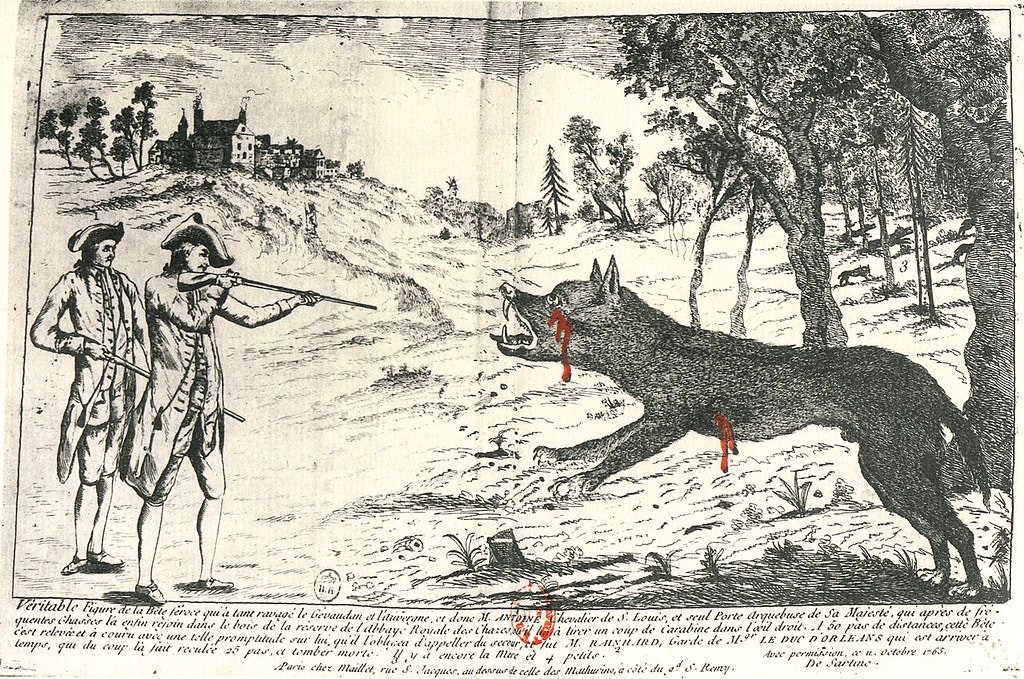
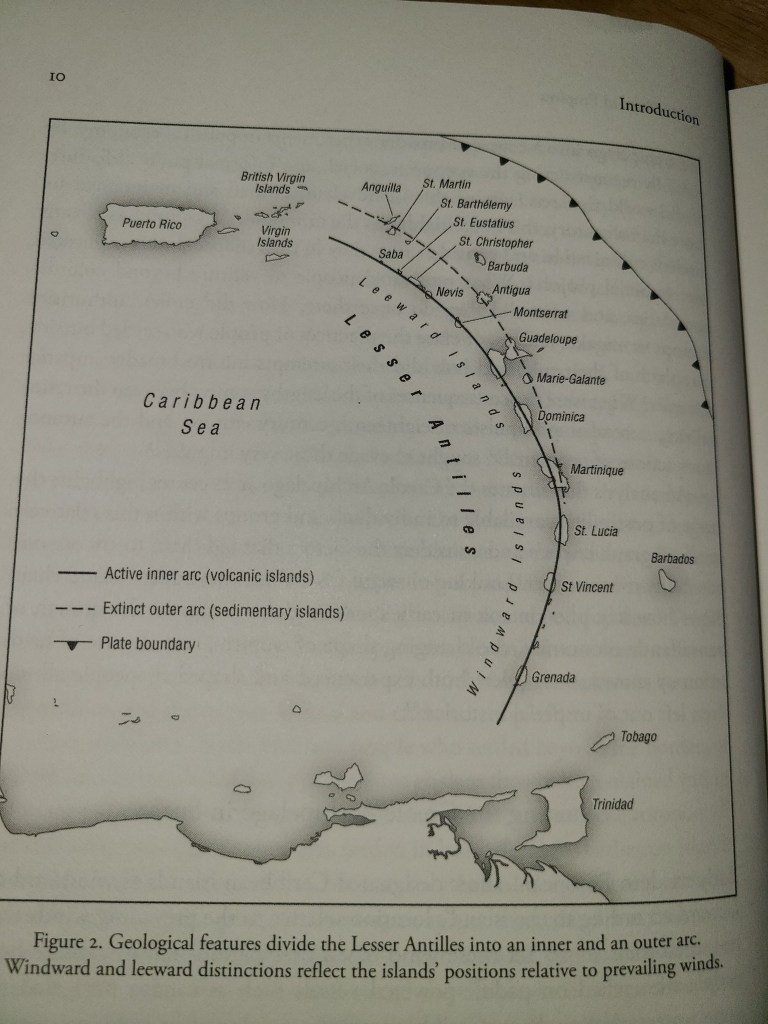
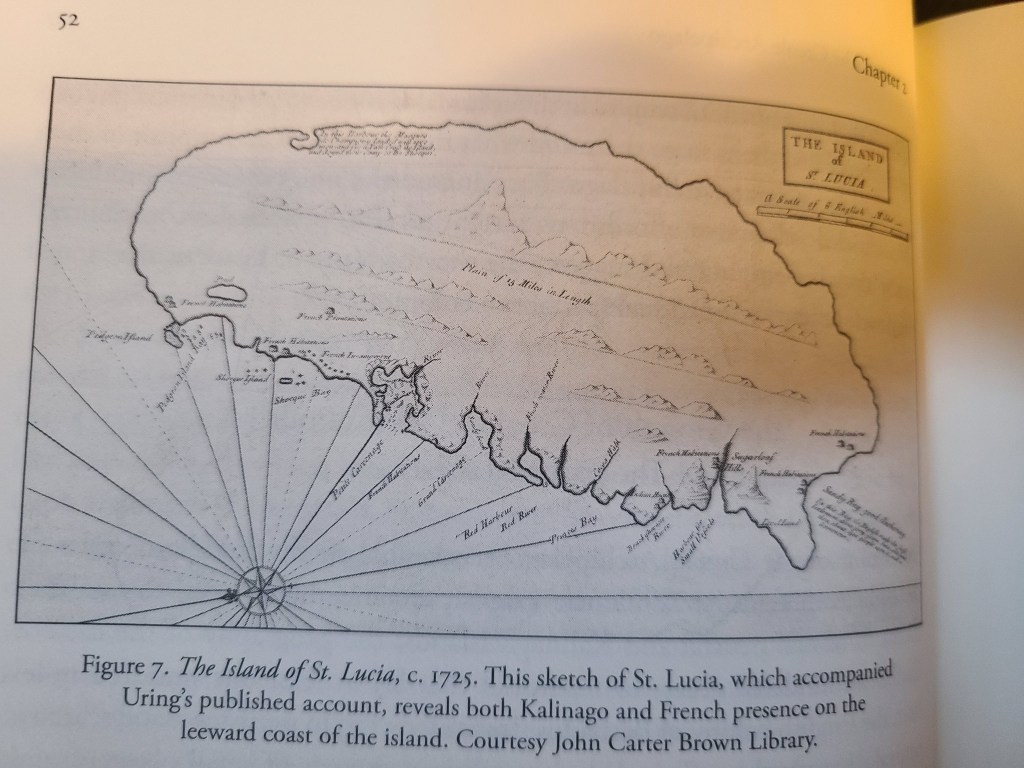
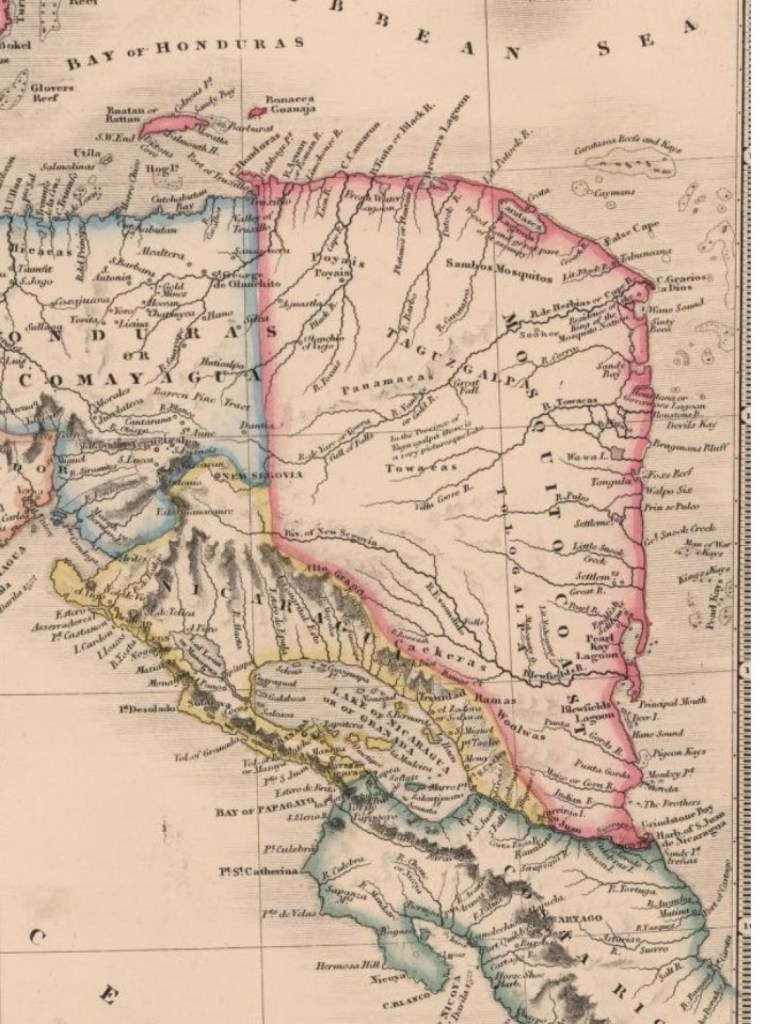
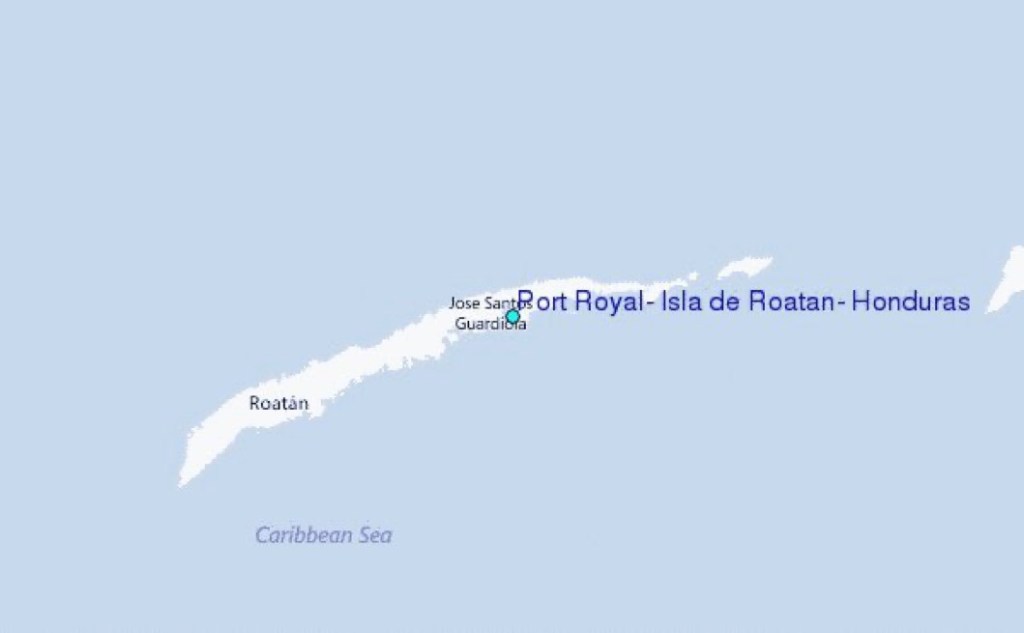
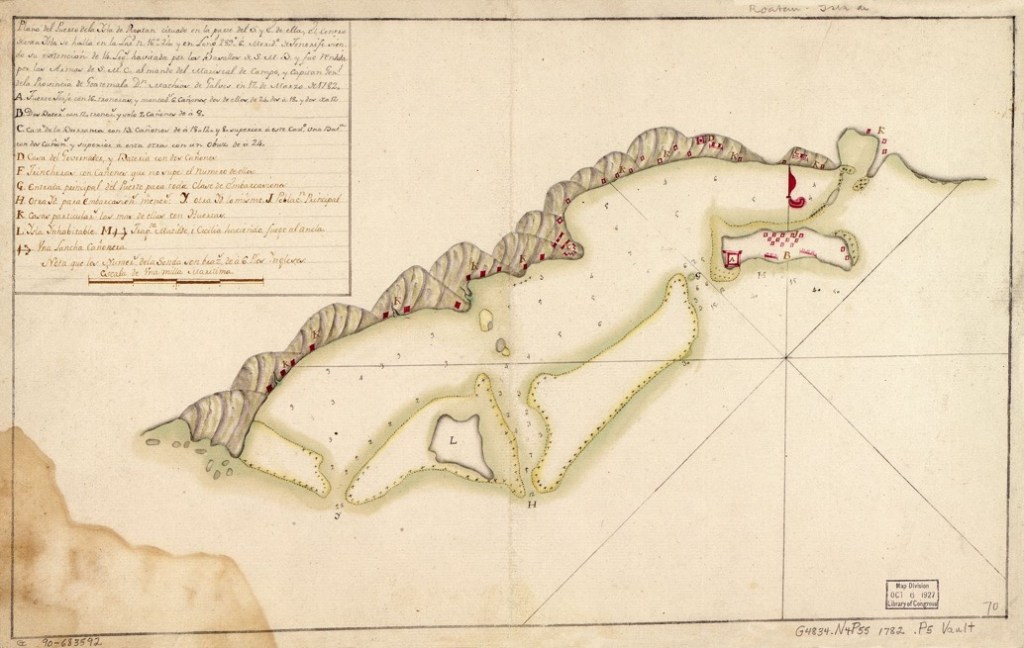
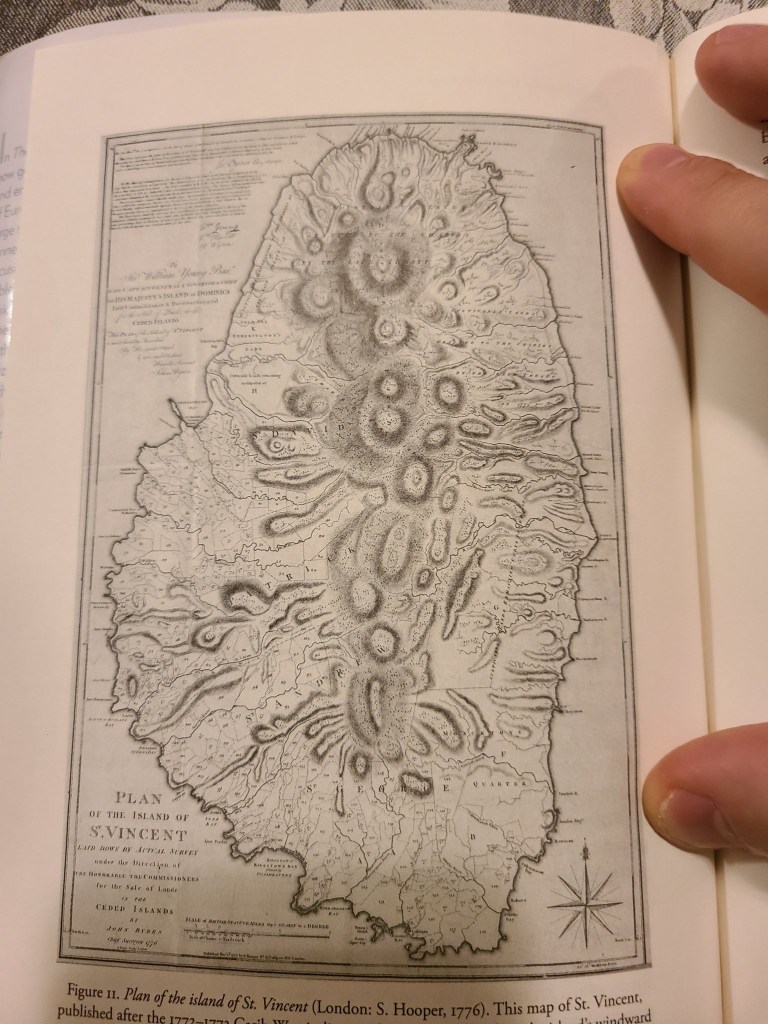
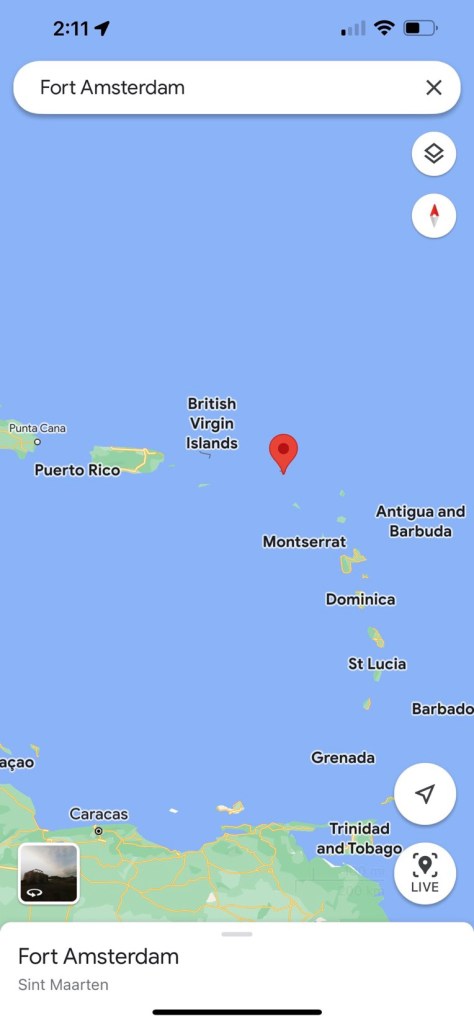
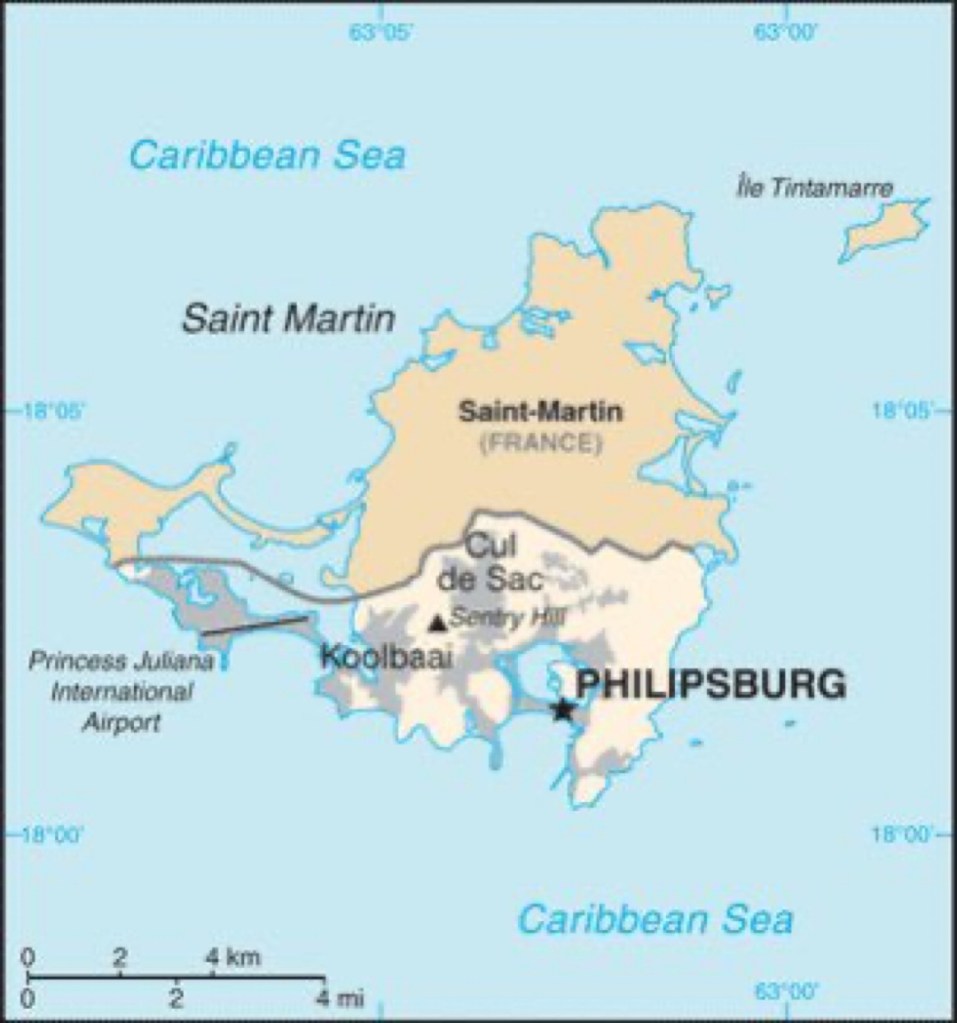
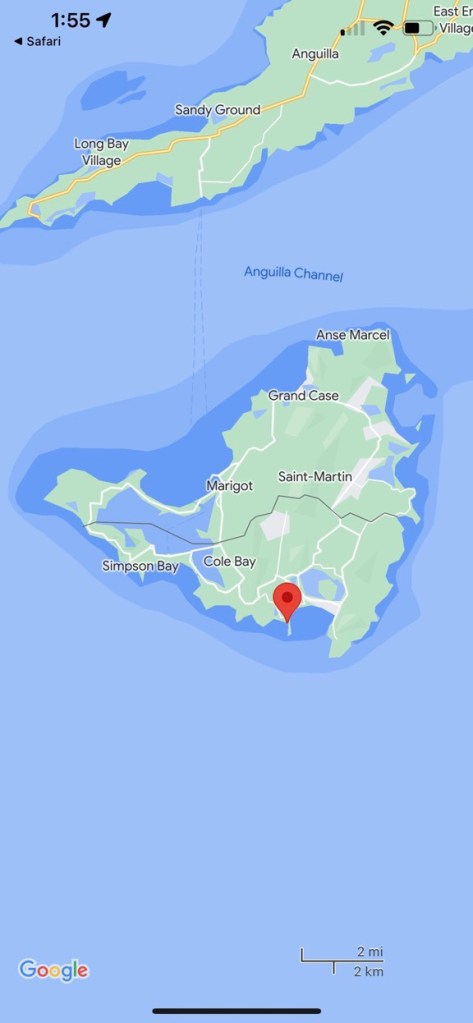

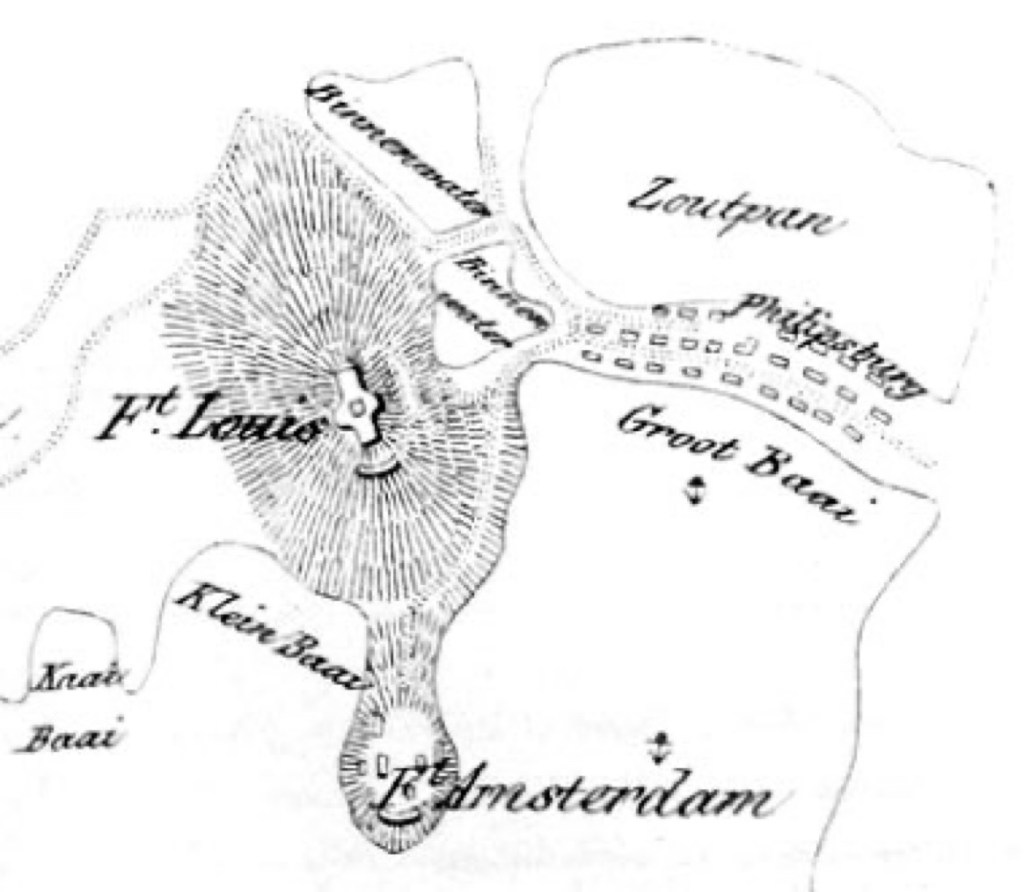
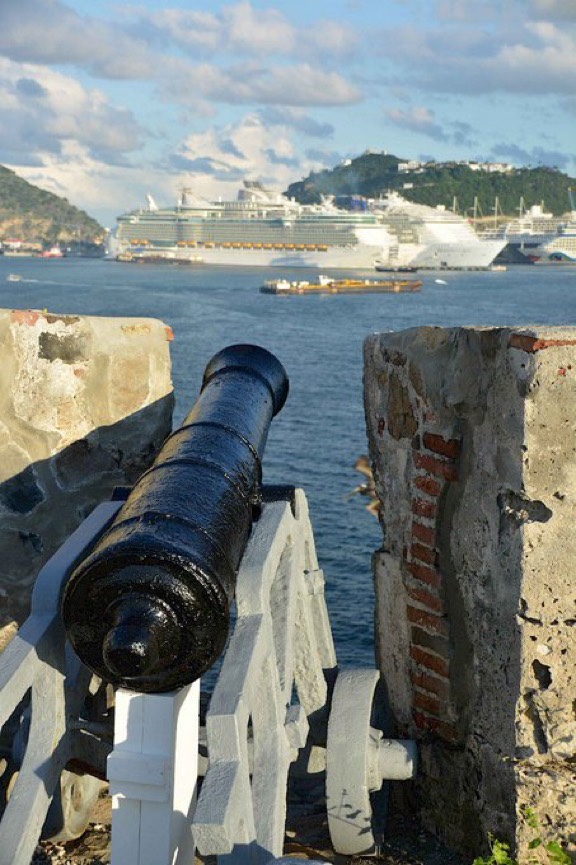
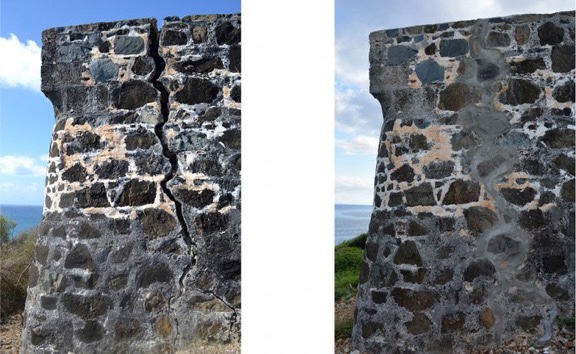
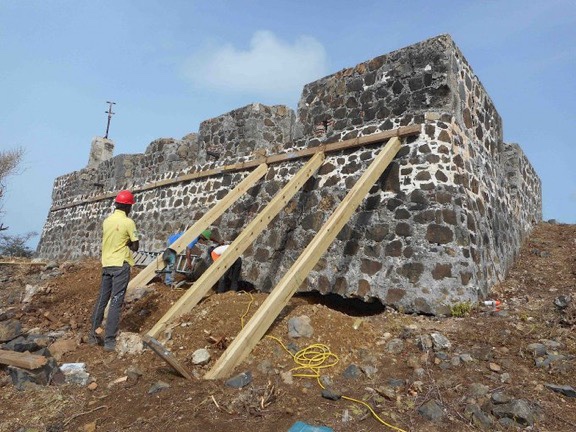
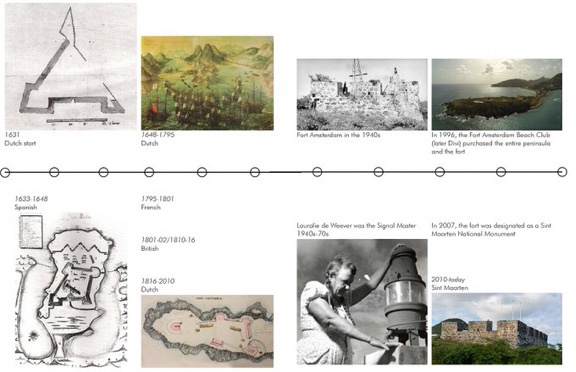

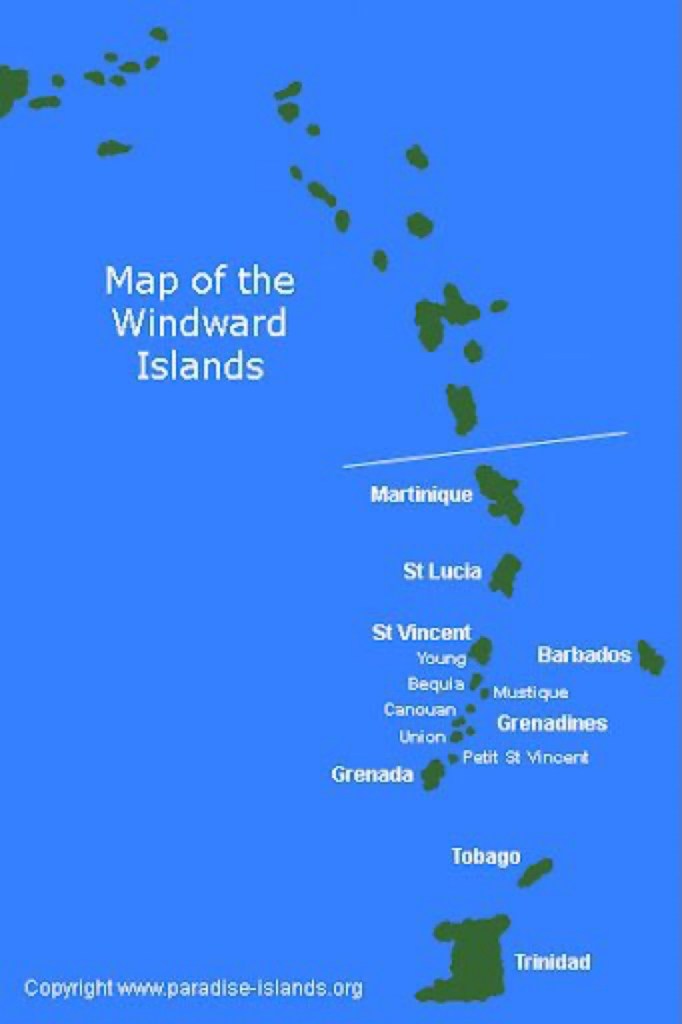
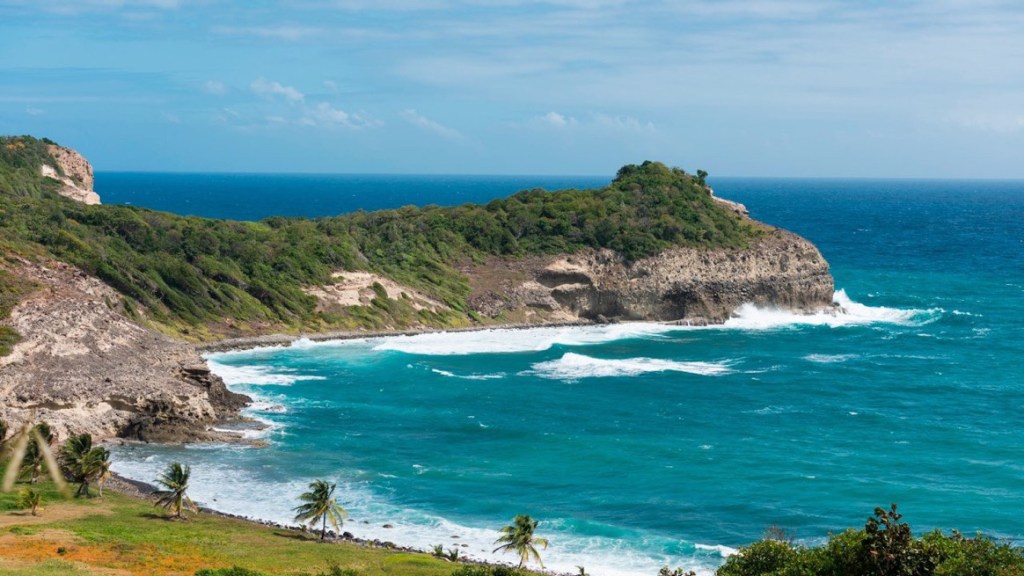
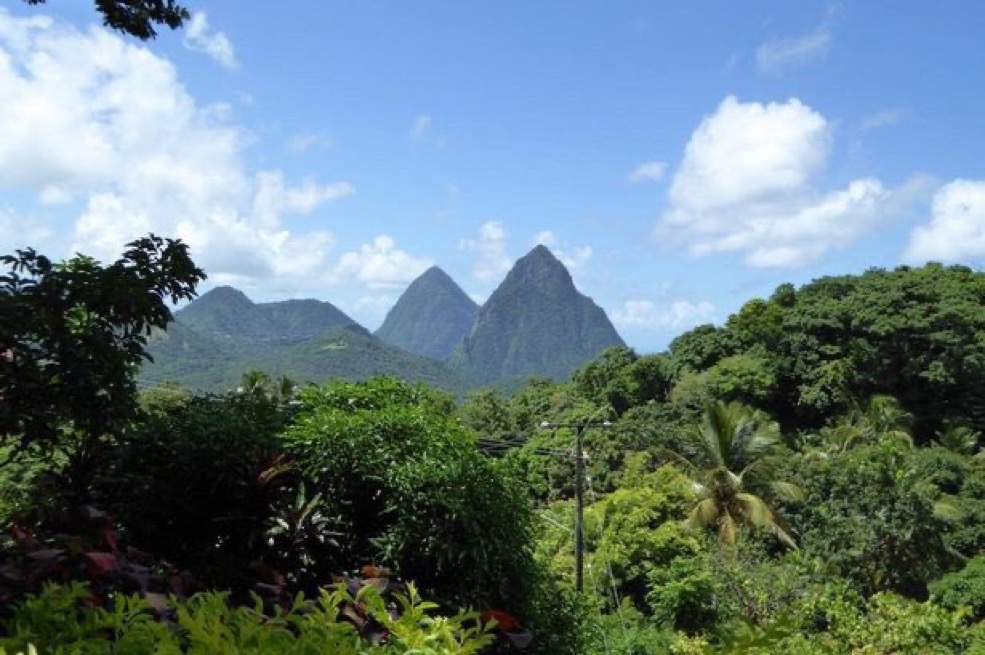
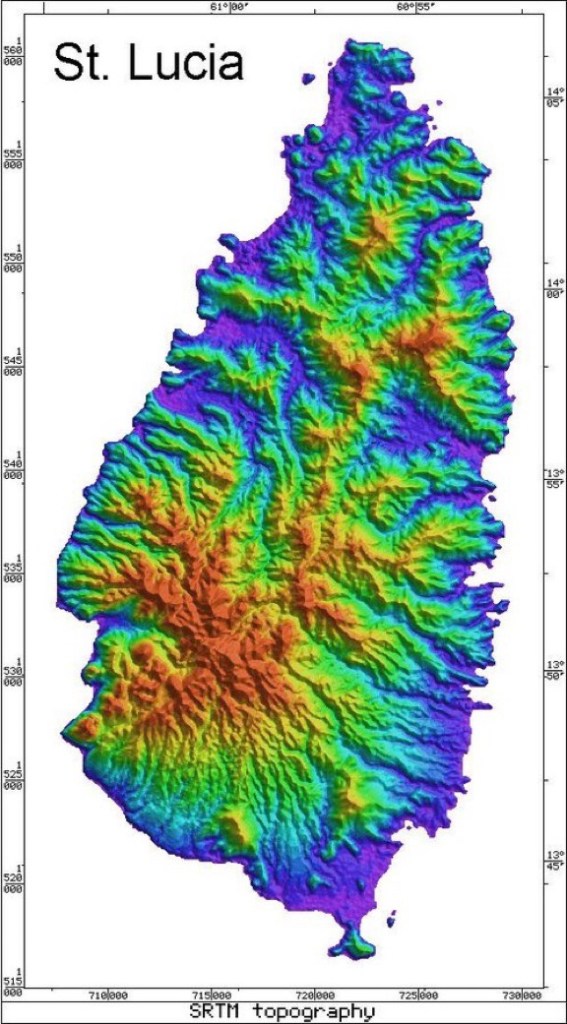
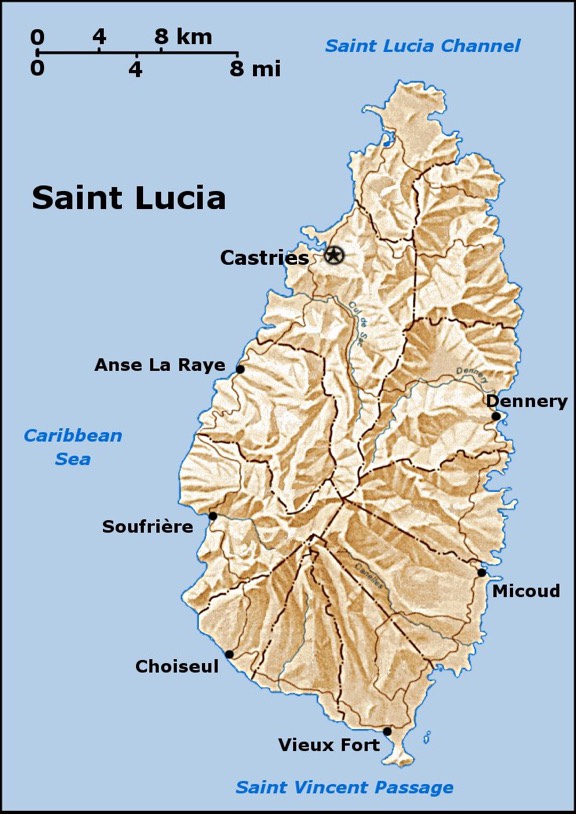
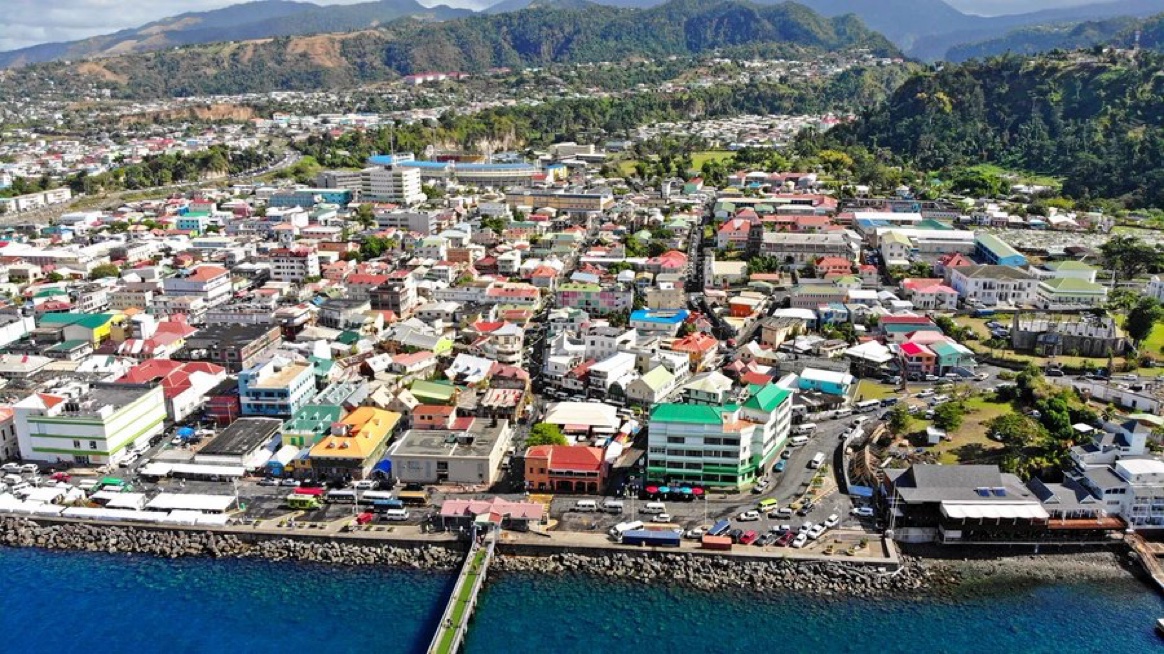
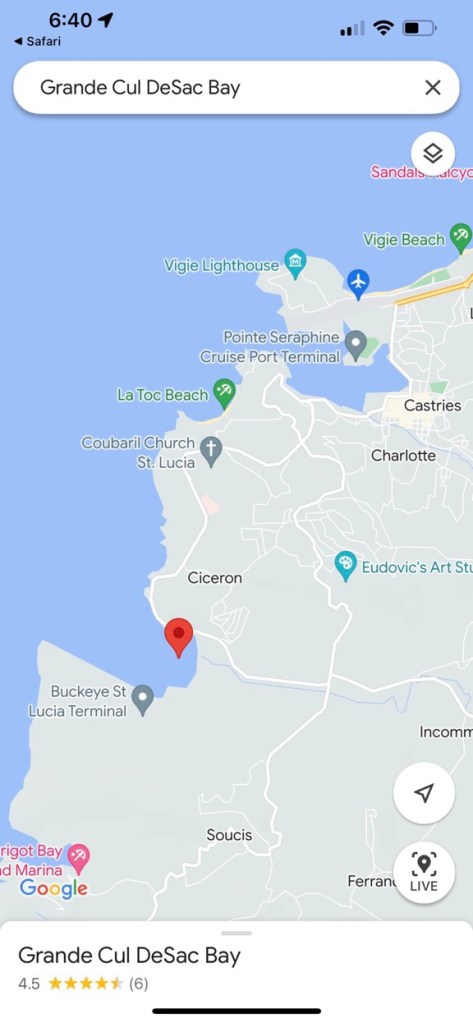


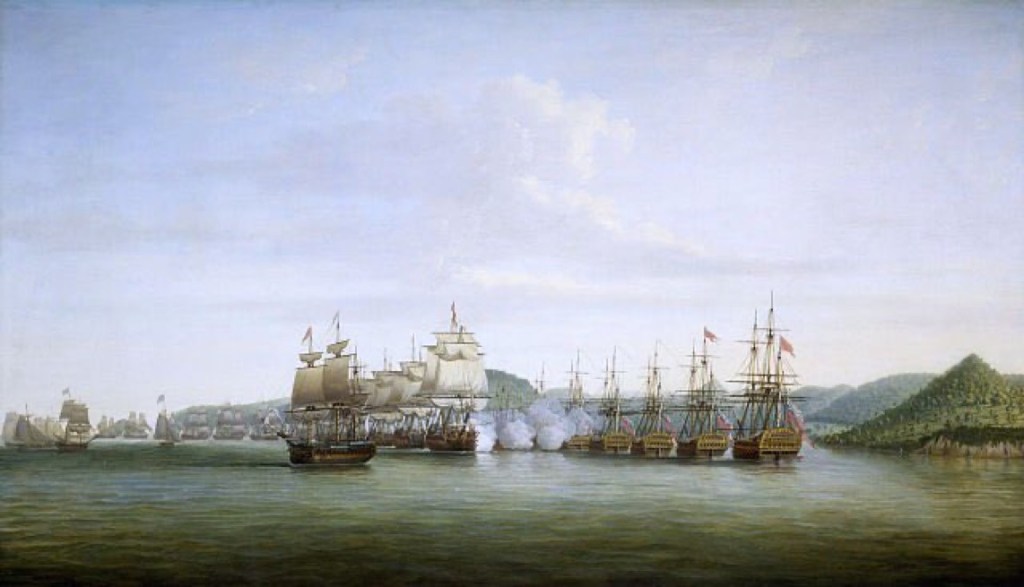
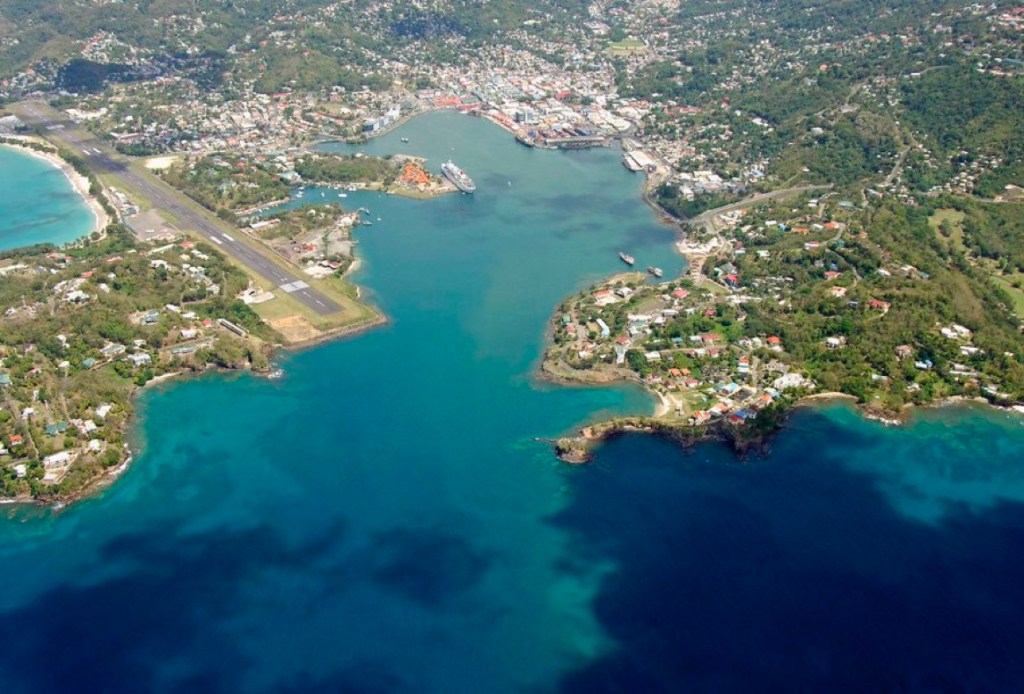

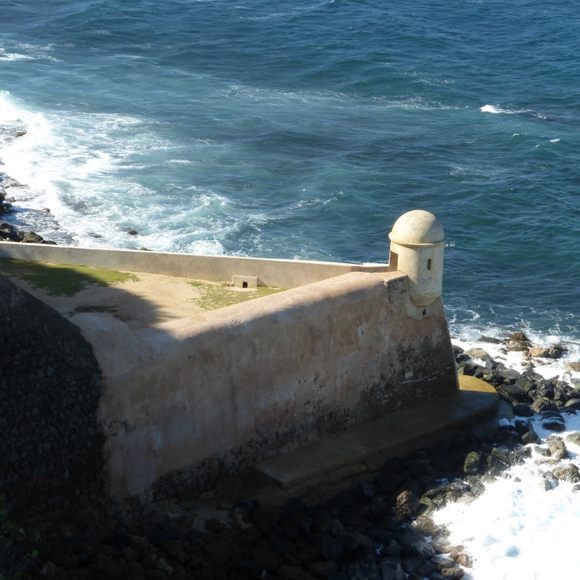
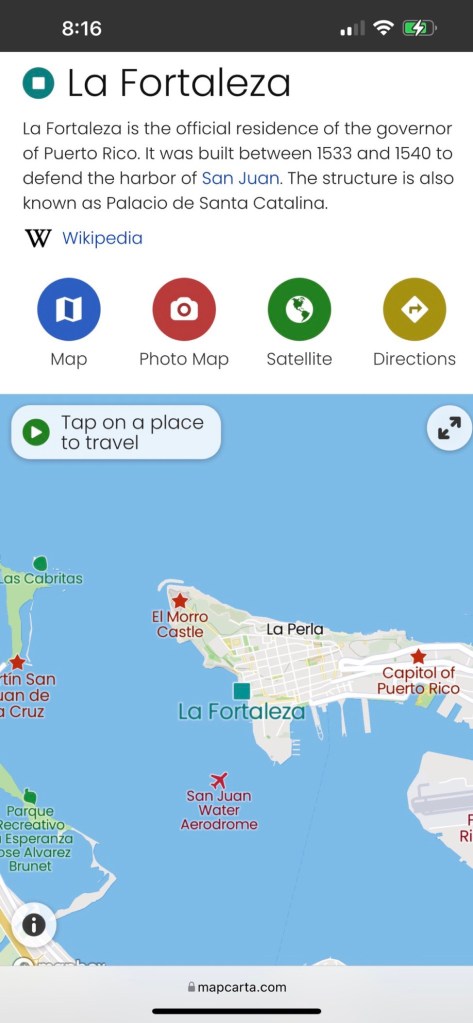
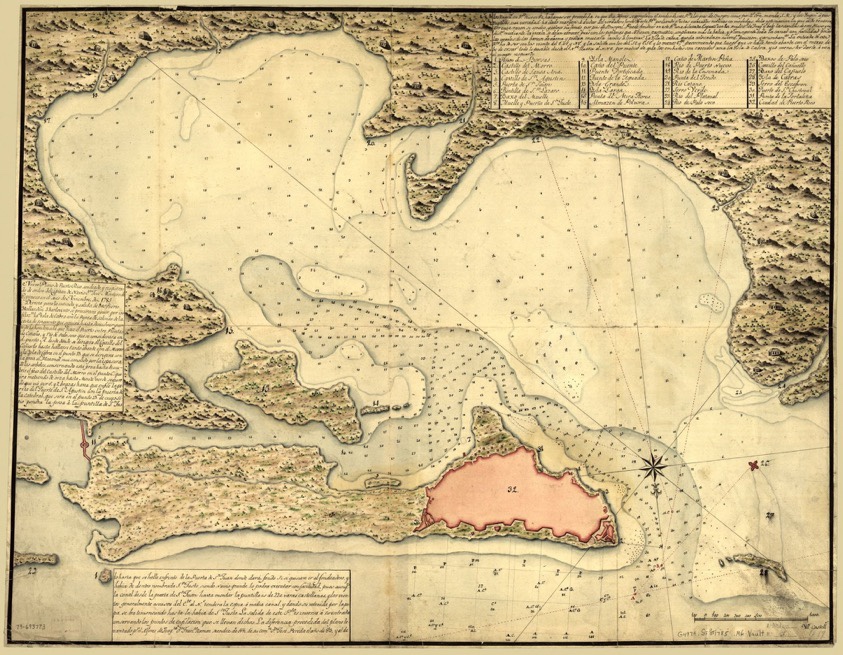
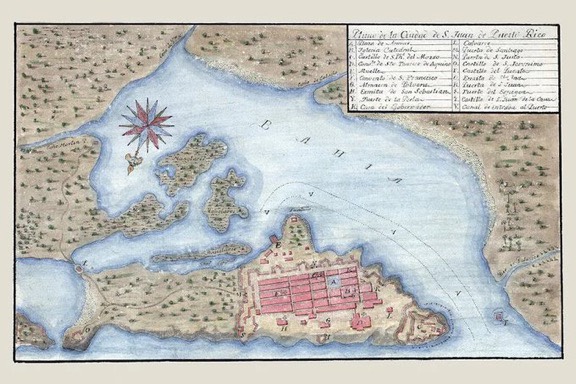



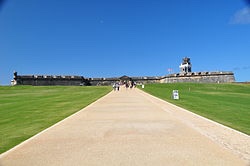
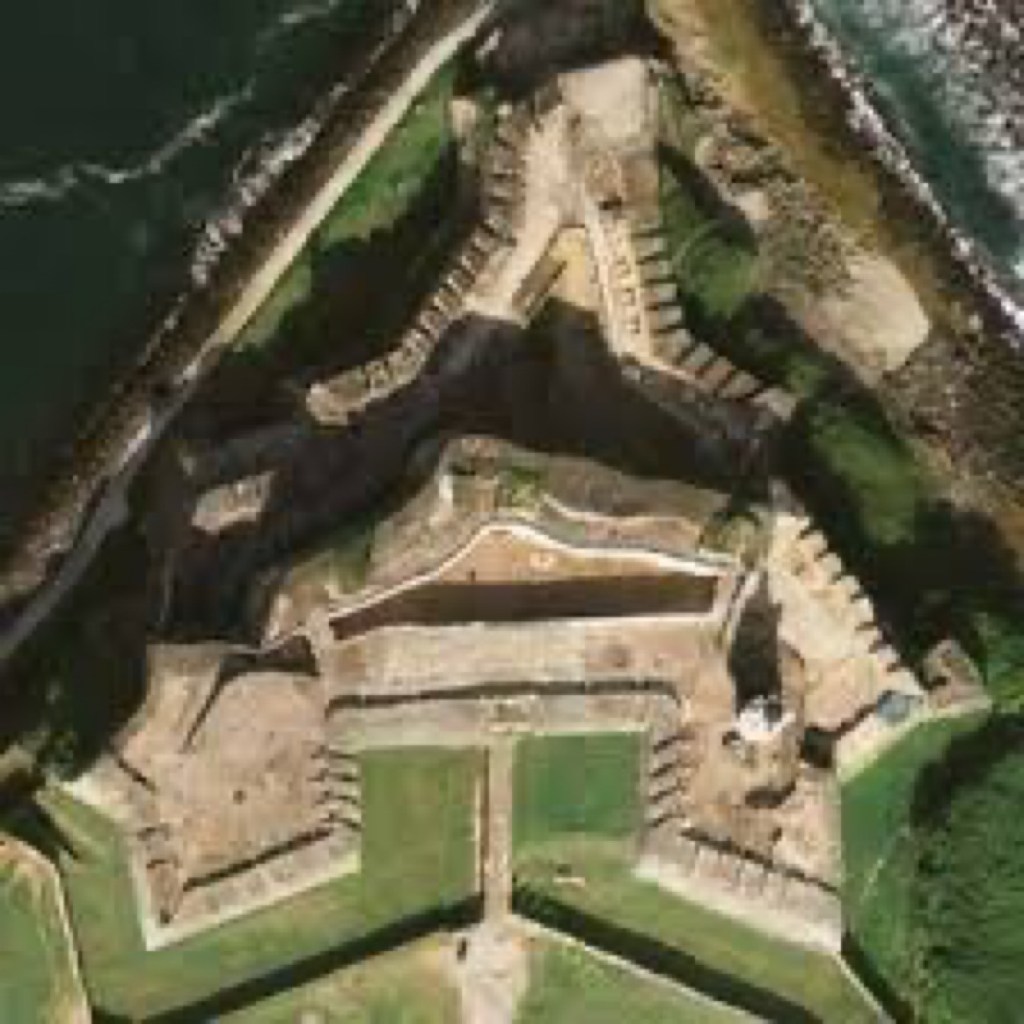

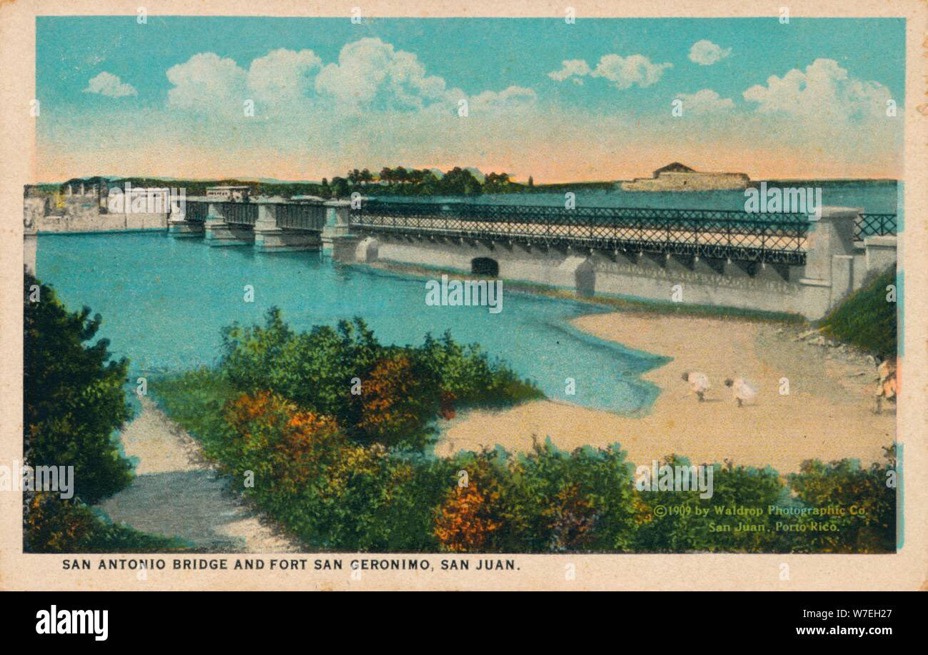
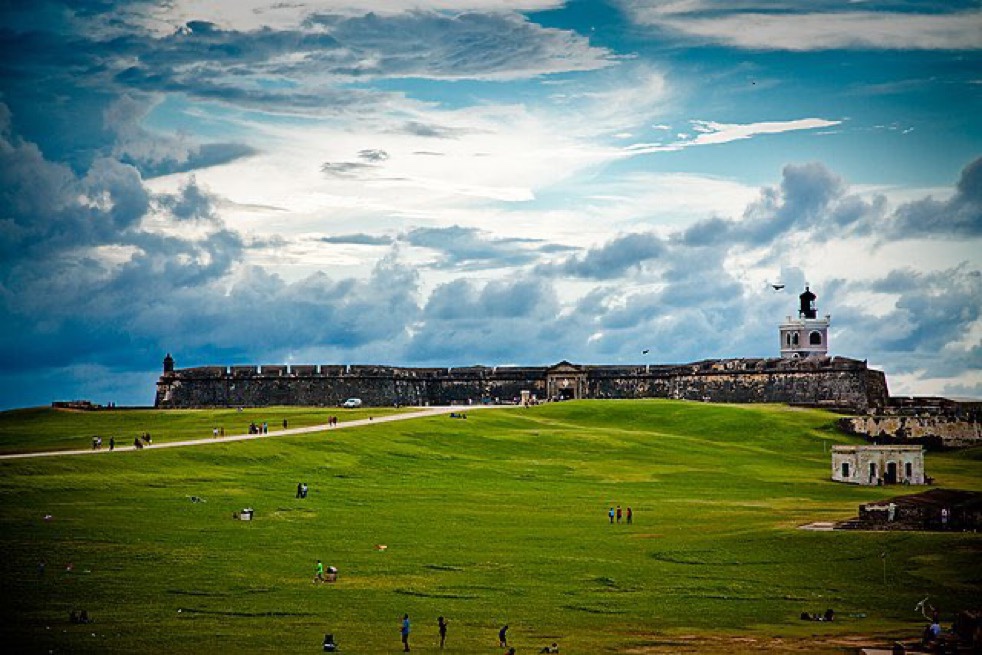
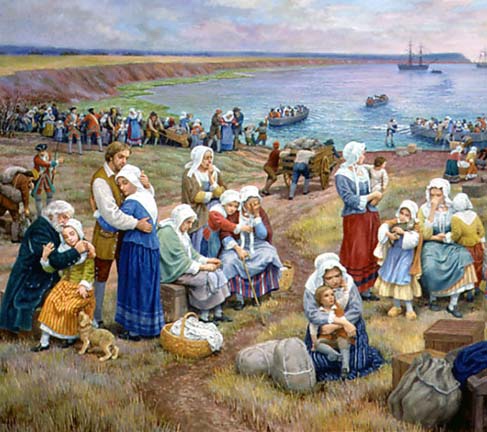
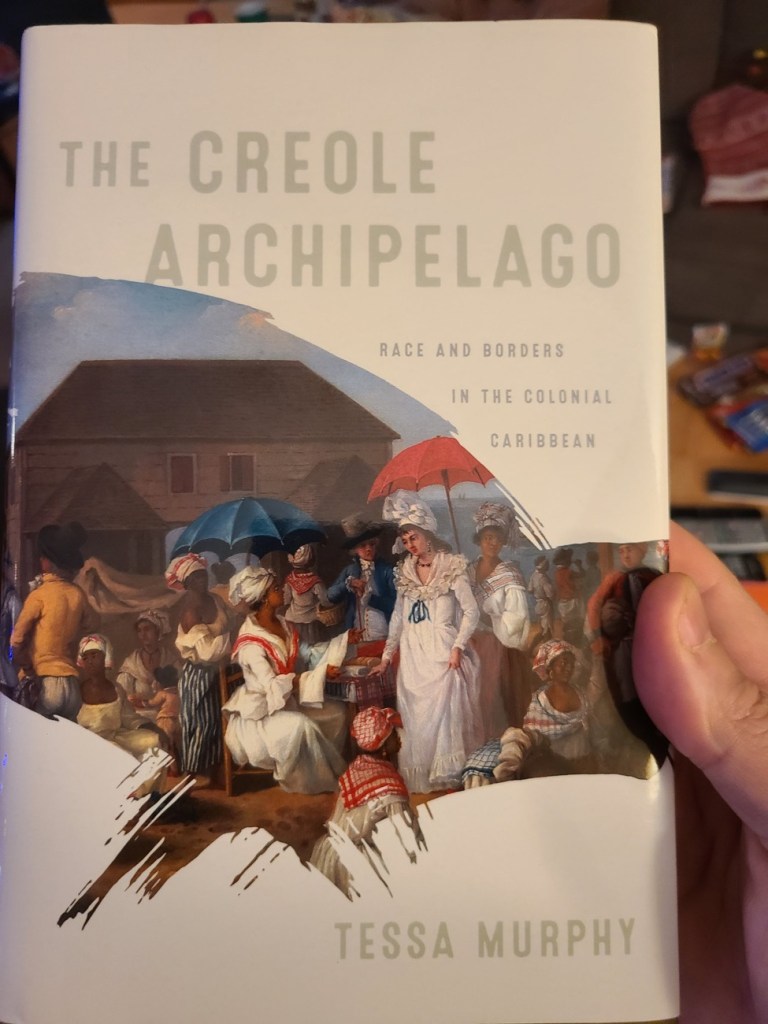
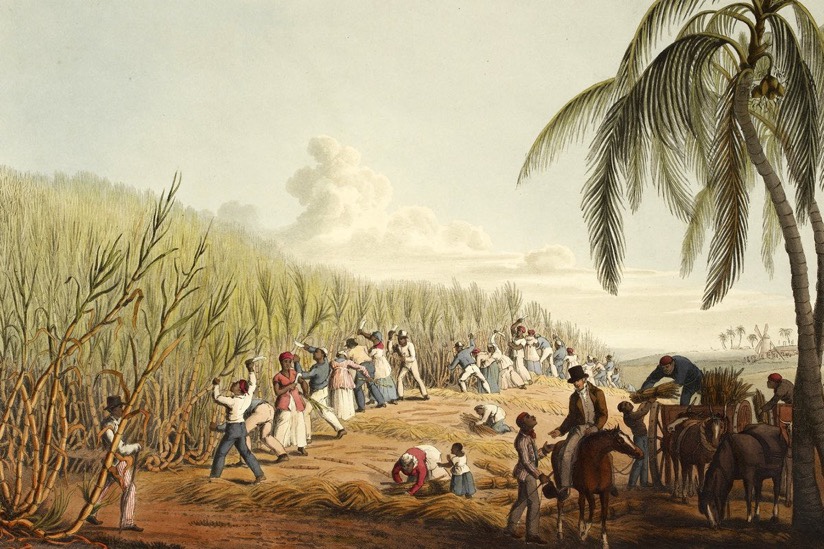
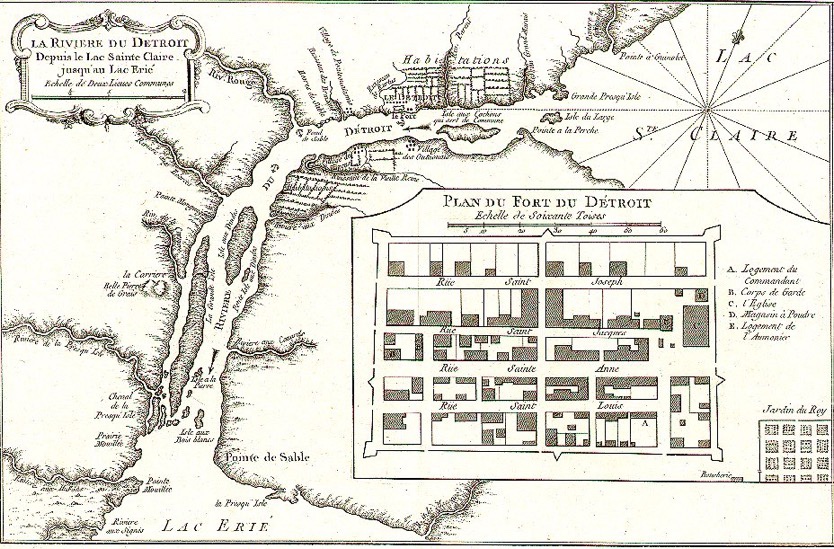

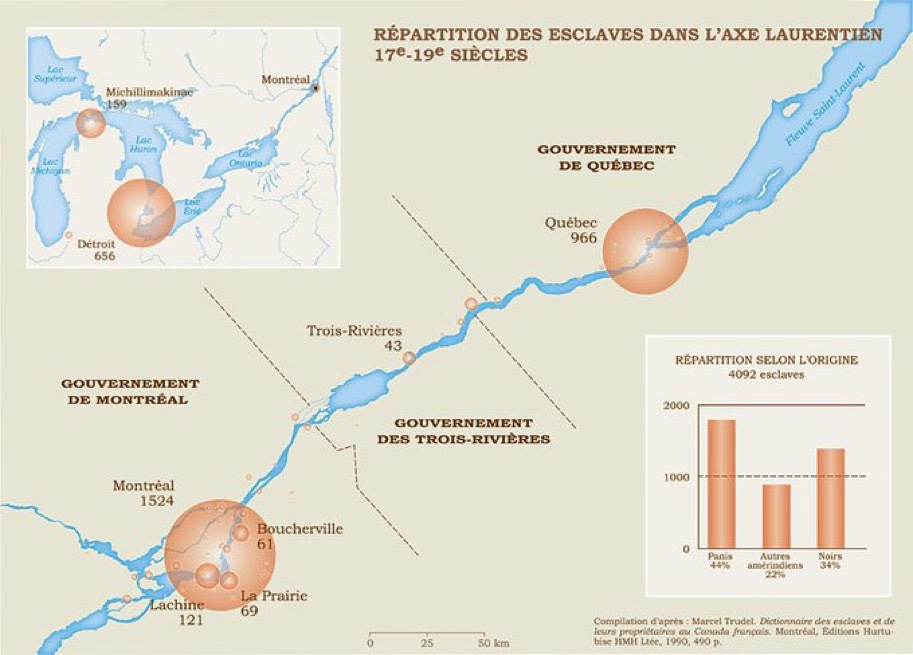
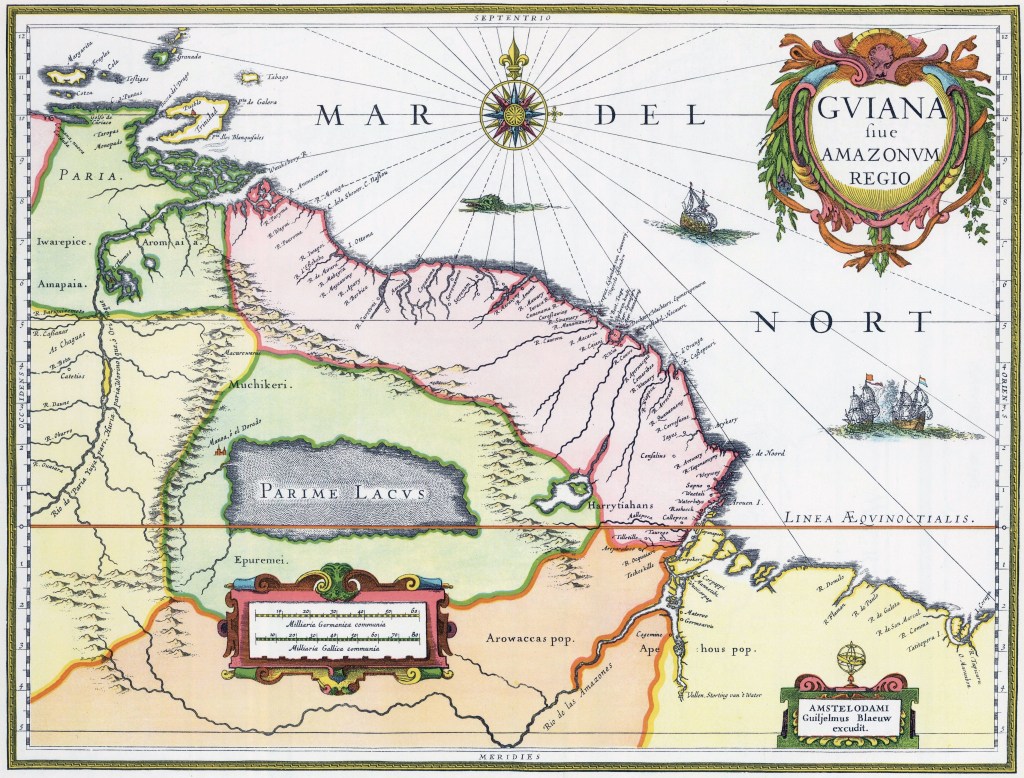
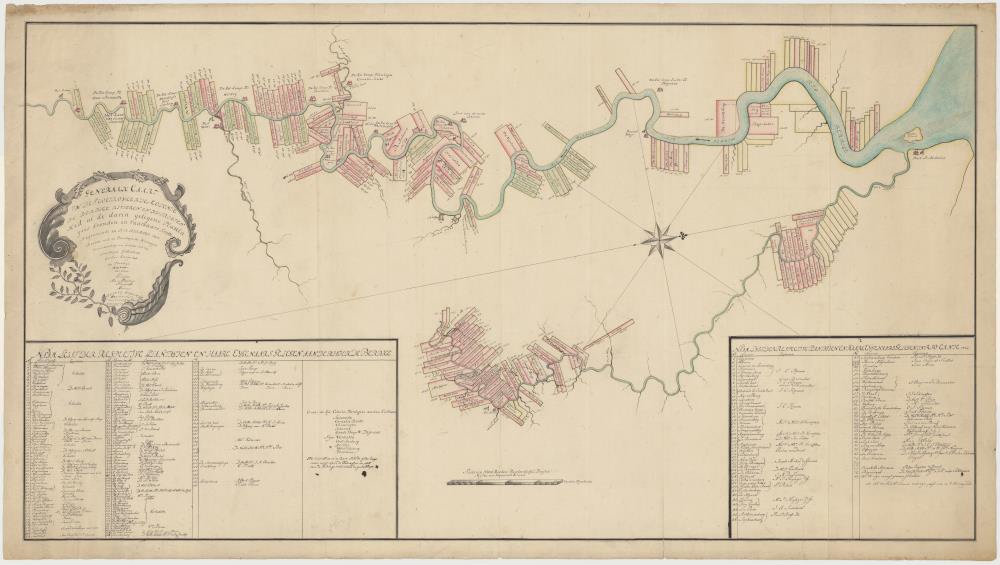
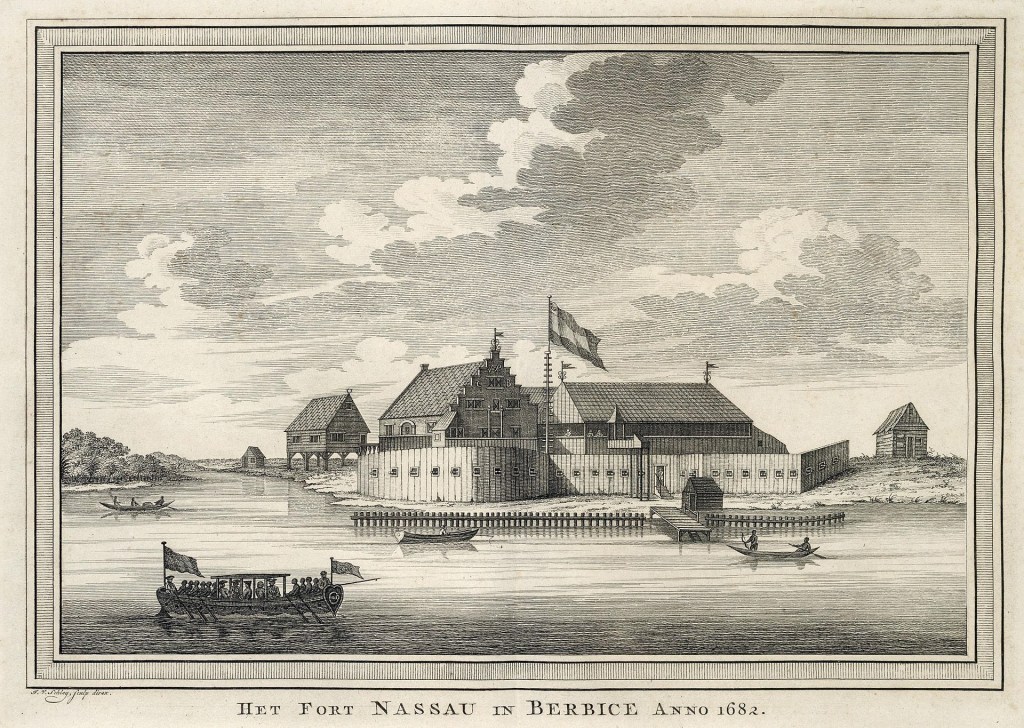
 Historical Caribbean Voyages